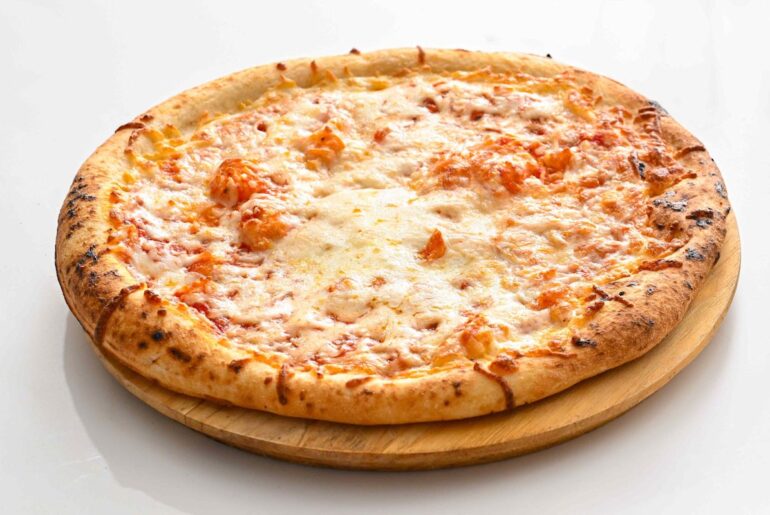

Food associated with nerd culture usually has less to do with taste than with activity. A person absorbed in a video game, software project, tabletop campaign, or science-fiction marathon often wants food that arrives quickly, feeds several people, and causes little interruption. Those practical needs explain why pizza appears so often in portrayals of gamers, programmers, comic fans, and other enthusiast communities. It is portable, shareable, customizable, and available late at night in many cities.
Pizza is therefore the strongest answer to the question, but it is not the only one. Ramen has a special place among anime fans. Crisps, chicken wings, and other finger foods suit gaming sessions. Coffee and packaged snacks appear frequently in technology workplaces. Elaborate dishes inspired by fictional worlds appeal to people who enjoy turning a fandom into a creative project. Some self-described nerds care more about sourdough fermentation or espresso extraction than any entertainment franchise.
The word “nerd” also covers too many people to predict a single favorite dish. It can describe a cybersecurity specialist, a fantasy reader, a train enthusiast, a retro-game collector, a chemistry student, or someone who memorizes baseball statistics. These people do not share one diet. Their food choices depend on culture, age, health, income, location, and personal habits. Examining nerd food still reveals something useful, however: communities often choose foods that fit the way they gather, work, and play.
1. The Myth of a Universal Nerd Food
Popular media created a recognizable menu for the fictional nerd. It often includes cold pizza, instant noodles, brightly colored energy drinks, crisps, and takeaway containers scattered around a computer. The character eats at a desk, stays awake too late, and treats cooking as an unwanted distraction. This image appears in comedies, advertisements, online memes, and television programs because viewers understand it immediately. It communicates intense focus, irregular hours, and limited concern for domestic routines without requiring further explanation.
Real eating habits rarely follow such a neat script. A software engineer may prepare elaborate meals every evening, while a person with no interest in technology may live on takeaway pizza. A tabletop player might bring fruit and homemade bread to a weekly game. An anime fan may dislike ramen. Calling any dish “food for nerds” describes a cultural association, not a rule about individuals.
The stereotype also reflects an older and narrower definition of nerd culture. During the late twentieth century, English-language media often presented the nerd as a socially awkward young man interested in computers, science, comics, or fantasy. Modern fan communities include people of every gender, age, profession, and background. Activities once treated as niche, including superhero films, video games, and fantasy television, now attract huge mainstream audiences. The category expanded, but the old food imagery remained.
Convenience provides the strongest link between these communities and certain dishes. Many nerd-associated activities demand sustained attention. A competitive match cannot always be paused. A role-playing session may run for five hours. A programmer trying to fix a difficult error may resist leaving the desk. A convention attendee may have only twenty minutes between panels. Foods that require little preparation and can be eaten quickly fit these situations, regardless of who participates.
Group behavior matters just as much as convenience. Nerd culture often grows through clubs, online communities, fan events, and recurring gatherings. Shared food supports those social settings. One large order is simpler than preparing separate meals for six people, especially when the host also manages game rules, equipment, or entertainment. A familiar menu reduces debate and lets the group begin its chosen activity sooner.
Nutrition receives less attention in the stereotype because unhealthy food makes the joke easier to recognize. Constant energy drinks and greasy snacks signal obsession or immaturity on screen. In daily life, people who spend long hours sitting benefit from balanced meals, water, fiber, and reasonable portions like anyone else. The cultural question “What do nerds eat?” should not become health advice. Frequency and quantity matter more than whether someone occasionally eats pizza during a game.
The most accurate approach separates identity from context. No personality type produces a craving for a specific food. Certain settings produce repeated practical choices, and those choices become traditions. Pizza leads because it solves several problems at once, not because people who like computers or fantasy possess different taste buds.
2. Why Pizza Wins the Popularity Contest
Pizza fits group-based nerd activities unusually well. A single box can feed several people without plates, cutlery, or formal seating. Players can take a slice between turns, viewers can eat during a film, and a project team can continue discussing a problem over dinner. Cleanup usually involves closing the box and wiping the table. Few complete meals offer the same combination of speed and simplicity.
Customization gives pizza another advantage. One order can include cheese, meat, vegetables, spicy toppings, or combinations divided across separate halves. Groups can order several sizes and accommodate different appetites. Vegetarian options are standard in most pizzerias, and vegan or gluten-free choices have become easier to find. Pizza cannot satisfy every allergy or dietary restriction, but it handles mixed preferences better than many single-dish takeaways.
Delivery history helped pizza become part of computer and gaming culture. Pizzerias offered home delivery long before app-based services made almost every cuisine available at the door. They also tended to operate later than traditional restaurants. During the growth of home computing, multiplayer gaming, and all-night technology projects, pizza was already one of the easiest hot foods to order without leaving the building.
The technology industry reinforced the connection. Startups and established companies commonly ordered pizza for product launches, overtime, training events, and informal meetings. Hackathons made the pairing especially visible: participants built software under a deadline while organizers supplied inexpensive food for large groups. The practice was practical, but repeated exposure turned pizza into a symbol of concentrated technical work.
Tabletop gaming created a similar tradition. A role-playing campaign often brings four to eight people together at dinner time. The table may already hold maps, books, dice, miniatures, pencils, and character sheets, leaving little room for a formal meal. Pizza boxes can sit on a nearby counter, and slices require limited handling. Hosts also know that most guests will find at least one acceptable topping.
Its physical design is almost ideal for casual entertainment, although it has drawbacks. A slice can be held in one hand, but grease can damage keyboards, controllers, cards, and books. Thick toppings may fall onto equipment. Careful players often eat away from the table or use napkins before touching shared pieces. Dry snacks appear more convenient until crumbs enter a keyboard or seasoning coats a controller.
Pizza also carries an easygoing social meaning. It does not turn the gathering into a dinner party or demand attention from the main event. When friends meet to play, code, or watch a series, food often supports the occasion instead of defining it. A delivery box signals that everyone can relax, serve themselves, and return to the activity.
Several rivals compete with pizza. Burgers are filling and widely available, but individual orders become complicated in a large group. Tacos offer variety and sharing, though they can be messy near equipment. Fried chicken works well for casual gatherings but leaves oily fingers. Chinese takeaway provides many dishes and suits communal eating, yet it usually requires more containers, plates, and utensils. Sandwiches are practical but lack pizza’s strong connection to late-night social rituals.
Restaurant design even reflects the needs of fan groups. Venues hosting trivia nights, board-game clubs, or esports screenings often choose durable restaurant furniture, large tables, accessible power outlets, and menus built around shareable food. Pizza remains common in these spaces because it moves easily from kitchen to group table and does not interrupt play.
Pizza wins, then, through logistics rather than ownership by a subculture. It is the strongest overall favorite because it works across gaming, technology, film, and tabletop settings. Its popularity says less about a supposed nerd palate than about the value of an inexpensive meal that a group can order with minimal negotiation.
3. A Different Menu for Each Kind of Nerd
Gamers tend to favor foods that respect the rhythm of play. Competitive online games may punish anyone who walks away at the wrong moment, while long single-player sessions encourage people to delay meals. Bite-sized snacks, sandwiches, pizza, and reheatable foods fit short breaks. Some players choose protein bars or fruit to avoid grease on their equipment. Others eat a full meal before starting so hunger does not disrupt a match.
Streaming adds another consideration: appearance. A creator broadcasting to an audience may avoid loud wrappers, crunchy foods, or anything difficult to eat on camera. Sponsored products sometimes appear beside the keyboard, but that placement reflects advertising as much as personal taste. Viewers should not mistake a paid energy-drink promotion for reliable evidence about what gamers generally prefer.
Programmers have their own familiar food mythology. Coffee, takeaway cartons, and vending-machine snacks symbolize long debugging sessions and overnight releases. Caffeine can improve alertness for a limited period, but it cannot replace sleep, hydration, or regular meals. Many software teams now treat constant overtime as a management failure rather than a heroic tradition. The image of a developer surviving on coffee and instant noodles remains culturally powerful even as working practices change.
Anime and manga communities connect food with stories set in Japan. Ramen is the clearest example because characters often eat it on screen and several famous series feature it prominently. Fans may also seek Japanese curry, rice balls, takoyaki, okonomiyaki, or regional sweets after seeing them in a show. This interest can lead to genuine learning about Japanese ingredients and dining customs, but fictional portrayals do not represent the full range of Japanese food.
Tabletop role-playing groups often build food traditions over years. One person brings crisps, another brings sweets, and the host orders dinner at the same point in every session. Some groups match the menu to the campaign by serving stew, bread, pies, or spiced drinks associated with a fantasy setting. The themed meal can deepen the shared experience, but simple food usually works better when the table is crowded with game materials.
Board-game enthusiasts face a specific technical problem: food can damage components. Greasy fingers mark cards, crumbs mix with tokens, and drinks threaten boards that may be expensive or difficult to replace. Experienced hosts often serve skewers, grapes, small sandwiches, or other low-mess items. Cup holders, side tables, and resealable containers protect the game. Here, the favorite food may be the one least likely to ruin the collection.
Science-fiction and fantasy fans often enjoy food as world-building. A meal mentioned in a novel can make an invented culture feel tangible. Fans reproduce banquets, tavern dishes, futuristic drinks, and travel rations using real ingredients. The result may not be convenient, but convenience is no longer the goal. Cooking becomes a form of interpretation, similar to making a costume or painting a miniature.
Comic conventions create a different pattern because attendees must eat while moving through crowded schedules. Portable meals, food-truck dishes, sandwiches, and packaged snacks dominate for practical reasons. Convention-center food can be expensive, so visitors may bring snacks or leave the venue for a nearby meal. Cosplay costumes can further limit what someone can carry or eat without causing stains.
Collectors and hobby researchers may turn food itself into a system. Some compare every regional variety of a soft drink, catalog limited-edition sweets, or rate instant noodles by heat level. Others collect franchise cookbooks and branded mugs. The attraction lies partly in classification: products can be ordered, reviewed, photographed, and discussed with people who share the interest.
Food nerds deserve a category of their own. They apply intense curiosity to fermentation, coffee extraction, chili varieties, pizza ovens, knife steel, or historic recipes. They may record dough hydration percentages, water temperature, brewing time, and tasting notes. For them, eating is not merely support for another hobby. Ingredients and techniques are the main subject.
National culture changes every part of this menu. An American gaming group may order pizza, while a group elsewhere may share kebabs, dumplings, curry, empanadas, or local street food. Delivery availability also matters. Urban residents can choose among dozens of cuisines at midnight, whereas people in rural areas may rely on frozen meals or food prepared at home. The global spread of nerd culture does not erase local eating habits.
Dietary needs can overturn every stereotype. Diabetes, allergies, religious practices, sensory sensitivities, athletic goals, and ethical choices shape food decisions more strongly than hobbies do. A welcoming group asks what members can eat before placing an order. Shared enthusiasm should make social participation easier, not pressure someone to ignore a medical or personal boundary.
4. When Food Becomes Part of the Hobby
Themed cooking changes food from background fuel into an active expression of fandom. A person may recreate a soup from an animated film, bake bread described in a fantasy novel, or design a dessert around a video-game character. The process requires interpretation because fictional food often lacks a complete recipe. Cooks study visual details, compare fan theories, and select ingredients that match the story’s setting.
Unofficial recipes can be more inventive because fans test them collectively. One cook posts a version, another adjusts the seasoning, and a third develops a vegetarian alternative. Comments document substitutions and failures. This resembles open-source software: contributors improve a shared idea through repeated experiments, although no formal system controls the result.
Analytical hobbies and cooking share several habits. Both reward measurement, troubleshooting, and controlled variation. Bread bakers track fermentation time and room temperature. Espresso enthusiasts change grind size and water ratio. Barbecue cooks monitor internal temperature over many hours. Fermentation fans observe acidity, salt levels, and microbial activity. The kitchen becomes a small laboratory, but the final test remains sensory: the food must taste good.
Technology strengthens that experimental approach. Digital scales, probe thermometers, induction burners, sous-vide circulators, and programmable ovens give cooks precise control. Apps store recipes and calculate ratios. Online videos demonstrate techniques that once required formal training or access to specialist books. Equipment can improve consistency, but buying gadgets does not replace practice or an understanding of ingredients.
Specialty coffee illustrates how an everyday drink can become a technical pursuit. Enthusiasts compare bean origin, roast date, grinder design, water composition, temperature, and extraction time. Small changes create noticeable differences in flavor. The subject offers endless variables, which appeals to people who enjoy optimization. It also shows why calling coffee simply “programmer fuel” misses a richer culture built around agriculture, chemistry, and taste.
Fermentation attracts similar attention because it combines tradition with observable biological processes. Sourdough, kimchi, yogurt, hot sauce, and kombucha change over time through the activity of microorganisms. Makers keep notes, share starter cultures, and diagnose problems from smell, texture, and appearance. Safe methods matter, particularly when acidity, cleanliness, or storage temperature controls harmful growth.
Fictional food can also strengthen social bonds. A themed dinner gives guests a reason to contribute dishes, costumes, music, or trivia. People who feel uncomfortable with unstructured social events may find a shared theme easier to navigate. Conversation begins with the source material and expands naturally. The meal creates participation without requiring everyone to perform in the same way.
The most interesting nerd food is often the product of curiosity. A person asks why a sauce thickens, how yeast changes dough, or whether a fictional recipe could work in reality. Research leads to testing, and testing leads to a meal that can be shared. At that point, the distinction between a food nerd and any other specialist enthusiast nearly disappears.
5. The Final Nerd Food Ranking
Pizza takes first place because it performs well across the widest range of settings. It feeds groups, supports varied toppings, travels well, and remains available at hours when other kitchens close. It belongs at gaming nights, hackathons, film marathons, club meetings, and casual conventions. No other dish has the same combination of cultural recognition and practical value.
Ramen ranks second because of its strong relationship with anime fandom and late-night convenience. Instant ramen is cheap and quick, while restaurant ramen offers a complex meal built from broth, noodles, seasoning, and toppings. The two forms should not be confused, but both contribute to the dish’s place in contemporary fan culture. Ramen is less suitable for eating near electronics or game pieces, which keeps it behind pizza.
Burgers take third place as familiar, filling, widely available food. They suit individual orders and casual social events, but groups must manage separate preferences and packages. Burgers also demand two hands and can drip onto equipment. Their popularity is broad rather than specifically nerd-related, yet they remain a common choice around gaming and entertainment venues.
Crisps and finger foods occupy fourth place because they allow grazing during long activities. Nuts, popcorn, sweets, wings, vegetable sticks, and bite-sized sandwiches all fit this category. Each option has a weakness: crumbs, grease, noise, allergens, or poor nutritional balance. They work best as controlled snacks rather than substitutes for regular meals.
Themed homemade dishes rank fifth in overall popularity but first in creativity. They require planning, ingredients, cooking space, and time, so they cannot compete with delivery on convenience. Their value comes from participation. Reconstructing food from a favorite story turns knowledge and affection into something physical that friends can taste.
This ranking measures cultural visibility, convenience, group suitability, and connection to nerd-associated activities. It does not claim that every nerd likes the listed foods. A more personal ranking might place salad, curry, tacos, dumplings, or a family recipe at the top. Preference remains individual, even when communities develop recognizable habits.
Pizza is the clearest practical short answer, but context supplies the better one. Nerds favor the foods other people enjoy, adjusted to the demands of a hobby or gathering. It is food that minimizes interruption, welcomes a group, inspires experimentation, or makes an imagined world feel real.
Do You Want to Know More?