
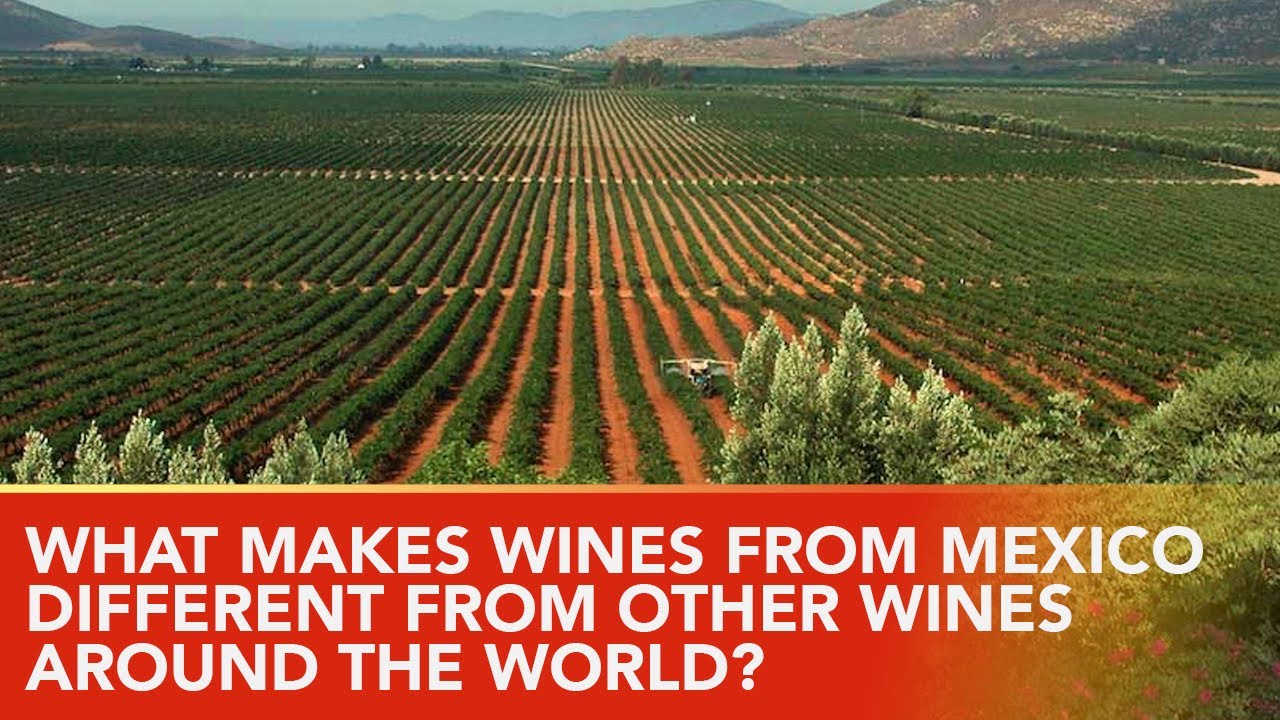
What is the Identity of the Valle de Guadalupe?
The combination of abundant sunshine and cool nights make Baja an ideal spot for more intense red varieties. There are a myriad of plantings with everything ranging from Sauvignon Blanc through to Cabernet Sauvignon, but there is a clear favourite among many winemakers and sommeliers: Nebbiolo. “The results and recognition show that this is a variety that has adapted really well here,” says Camilo Magoni, an Italian winemaker who has been making wine in Mexico since 1965. “Why? Because the region has special characteristics. Despite the very hot days, the aromatic profiles are very interesting.”
While the mix of international grapes is increasing, the oldest vines in the region are Carignan, Grenache and Mission. Some winemakers believe these varieties also hold the key to Mexico’s wine future as they are the best adapted to the environment. “Many years ago, most of the vineyards were dry farmed, and the kind of grapes we cultivated 40 years ago were more oriented to dry conditions,” explains Hugo D’Acosta. “But when we opened up to international markets, [the large wine producers] wanted international varieties… But identity is a result of history. In my opinion Grenache is perhaps the most important variety for Mexico’s future.” The character of Mexican wines depends on the vineyard site. It has a huge mix of soils that have been brought to the surface by the action of the colliding tectonic plates in this very active seismic area. The most remarkable feature are the ginormous boulders that are strewn around the valley. It looks like the aftermath of giants having snowball fights, with rocks.
Read more at: