

Courtesy of Osteria Francescana
Courtesy of

Until a few years ago, I never really considered myself much of a food enthusiast. I liked eating well, but the idea of booking a table weeks in advance or spending half the day thinking about where I would have dinner always seemed a little excessive. However, as I get older, eat more healthily, and spend fewer weekends going out, food is increasingly becoming one of my main sources of dopamine. A good meal has become a kind of event that I look forward to, so visiting a market or booking a table at a restaurant I have wanted to try for a long time has become a perfectly legitimate reason to buy a plane ticket and experience it all in another culture.
After all, we remember cities for their architecture, museums, striking streets, and landmarks, but we also associate them with what we ate there. Since traveling to Italy last year, I have found myself longing at least once a week for the meals and places I discovered there. On behalf of all food lovers, I have put together a list of cities with plenty of reasons to visit this fall, although honestly, one truly good meal would be enough for me.
Related: These smaller European cities should be on every art lover’s radar
For lovers of Mediterranean cuisine: Chania, Greece
We tend to think of Crete as a summer destination, but Chania is one of the few cities on the island where life continues beyond the high season, and it becomes even more beautiful once the biggest crowds have left. The old town is a maze of neighborhoods including Topanas, Splantzia, Ovraiki, and Kasteli, where traces of the Venetian and Ottoman past alternate practically from one street to the next, before everything eventually opens onto the old Venetian harbor and its lighthouse. If you feel like venturing beyond the center, simply continue walking along the coast toward Nea Chora or head to the more elegant Halepa district, filled with 19th-century villas.
What you must try: bougatsa for breakfast; dakos with tomatoes, mizithra, and olive oil; Chania boureki made with zucchini, potatoes, and cheese; kalitsounia, small pies filled with cheese or greens; and chochlioi boubouristi, fried snails that are among the most distinctive Cretan specialties.
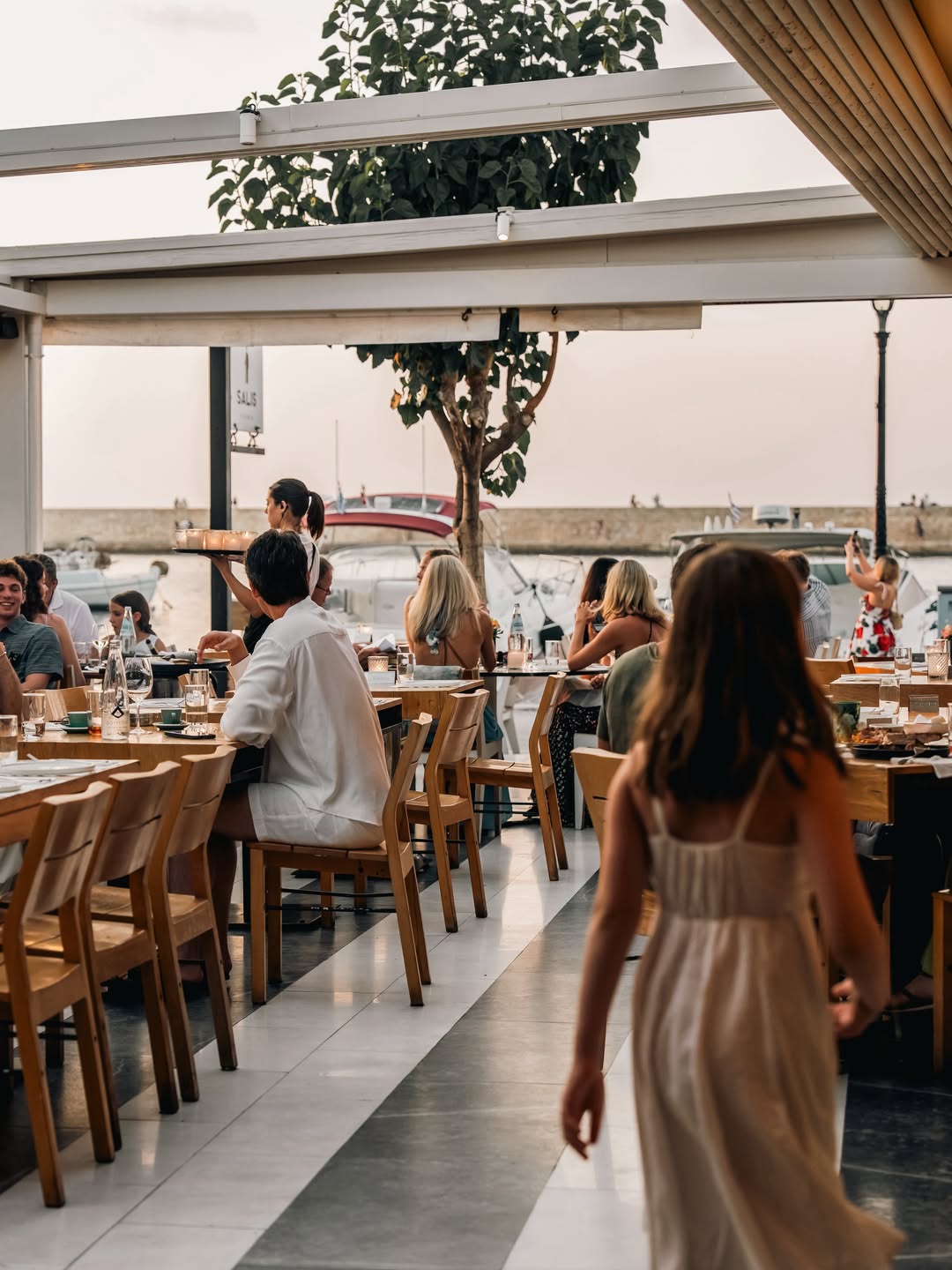
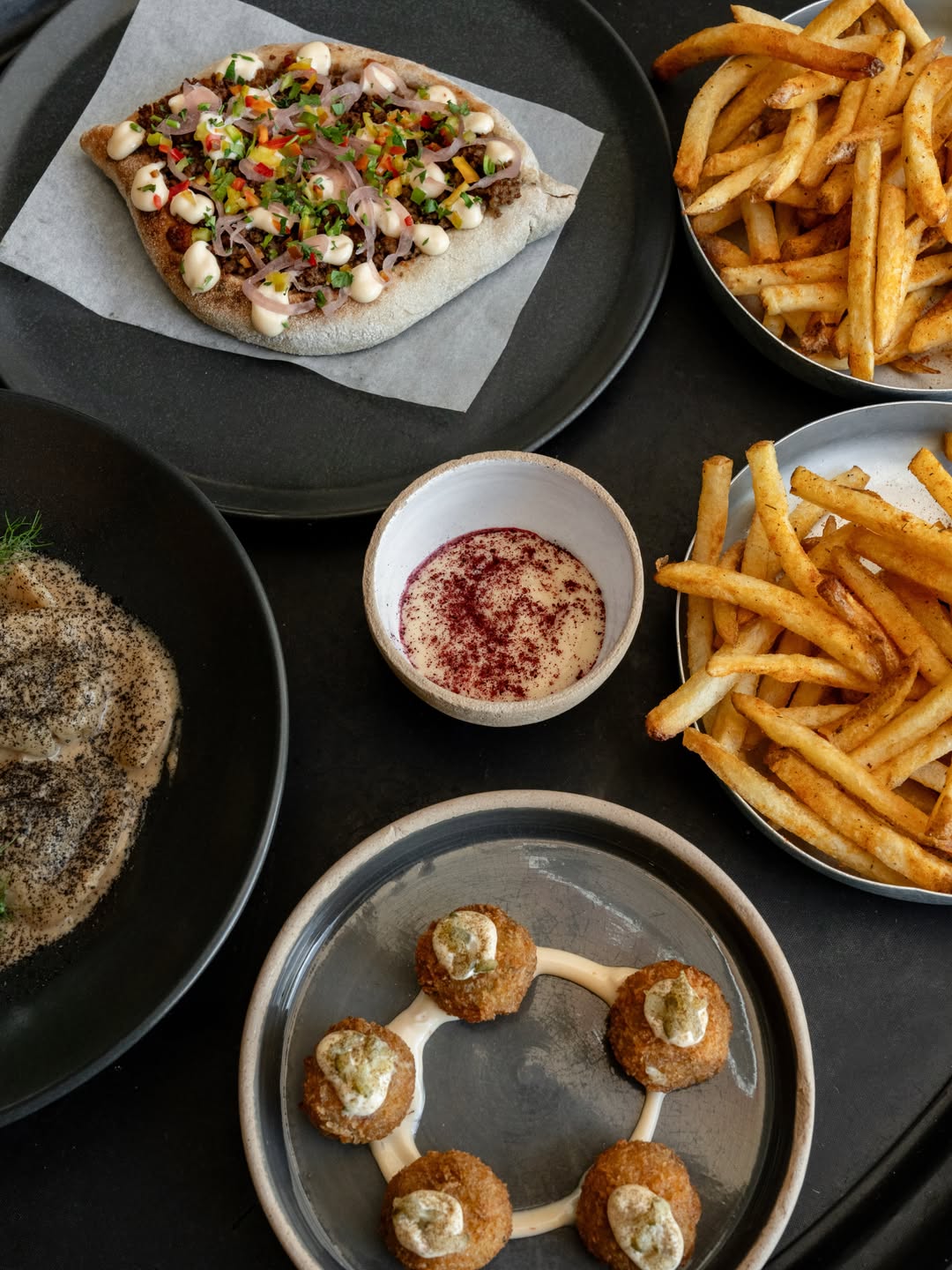
Where to eat: Tamam, which has occupied a former hammam since 1982 and is a good choice for traditional Greek and Cretan cuisine. Salis should be next on your reservation list, a harborside restaurant where local produce is incorporated into a more contemporary Mediterranean menu, from fish and fermented fava to local graviera cheese.
Where to stop for coffee: Kross Coffee Roasters. They roast their coffee in Chania, have several locations across the city, and were ranked among the world’s best specialty coffee shops this year.
Where to stay: Domus Renier Boutique Hotel, located in the historic part of the old Venetian harbor, just a few minutes from most of the places on this list.
How to get there: There are direct flights from Belgrade to Chania, with a flight time of just under two hours, and one-way tickets can be found from around €92. There are currently no direct routes from Zagreb or Ljubljana, so the easiest option is to travel via Athens. Tickets from Zagreb to Athens can be found from around €74 and from Ljubljana from around €88, while flights from Athens to Chania start at approximately €50. This brings the most affordable one-way combinations to around €124 from Zagreb and €138 from Ljubljana.
Photos: Courtesy of Salis
Related: The Mediterranean recipes we make when we want to feel like we’re on holiday
For lovers of French cuisine: Dijon, France
We usually picture Burgundy through its vineyards and small villages, but Dijon is a city worth lingering in for a few days before continuing through the region. Its historic center is easy to explore on foot, among timber-framed houses, elegant stone façades, and the expansive Place de la Libération in front of the former Palace of the Dukes of Burgundy. In fall, the city takes on the kind of atmosphere that makes you want to slow down and wander without a plan, while the Côte de Nuits vineyards are only a few kilometers from the center.
What you must try: Œufs en meurette, poached eggs in a red Burgundy wine sauce; poulet Gaston Gérard with mustard, white wine, Comté cheese, and cream; bœuf bourguignon; escargots à la bourguignonne; and pain d’épices or small nonnettes with honey and marmalade. Of course, leave room for Époisses and a glass of Burgundy wine.
Where to eat: Meurette & Persillé is a good place to begin with the classics of Burgundy, while Parapluie, a small restaurant combining local ingredients with Asian influences, offers a more contemporary menu.
Where to stop for coffee: Morning Glory Café, a specialty coffee shop that works with local and seasonal ingredients.
Where to stay: Grand Hôtel La Cloche, a hotel in a historic building on Place Darcy, with an interior that combines classical French architecture with a much more understated contemporary design.
How to get there: The easiest option is to fly to Paris and then take the TGV from Gare de Lyon to Dijon. The fastest train takes around one hour and 34 minutes, and one-way tickets can be found from €25. Return flights to Paris can be found from around €220 from Belgrade, €200 from Zagreb, and €170 from Ljubljana.
Photos: Courtesy of Meurette & Persillé & Parapluie
Related: Restaurants outside big cities that are shaping the future of fine dining
For lovers of Nordic cuisine: Trondheim, Norway
We most often associate Norway with fjords and dramatic landscapes, but Trondheim is a good reminder that its smaller cities can be just as interesting in their own right. The city center stretches along the Nidelva River, crossed by a succession of bridges and lined with the old wooden houses of Bakklandet, while beyond them the city gradually climbs toward quieter residential streets and greenery. In fall, the city becomes even more pleasant to explore on foot, from morning walks along the Nidelva to evenings spent in small bars and venues filled by its large student community.
What you must try: Sodd, a traditional soup made with mutton and meatballs, ideally served with the sweet and savory skjenning; crab, langoustines, and other shellfish from the islands of Hitra and Frøya; their specialty, reindeer meat; local cheeses such as Nidelven Blå; and traditional baked goods such as lefse.
Where to eat: To Rom og Kjøkken has been working with seasonal ingredients from Trøndelag for more than two decades and offers a good introduction to the local cuisine. Fagn is the choice for a serious tasting menu based on hyperlocal ingredients, while Speilsalen at the Britannia Hotel is another restaurant that has placed Trondheim on Norway’s contemporary culinary map.
Where to stop for coffee: Jacobsen & Svart, a local roastery that takes the origin and processing of its coffee seriously and regularly appears among the city’s recommended places worth saving.
Where to stay: Britannia Hotel, a historic hotel in central Trondheim that has been operating since 1870.
How to get there: There are no direct flights to Trondheim from Belgrade, Zagreb, or Ljubljana, so expect one connection, most commonly via Oslo or Copenhagen. Return tickets in September can be found from around €270 to €300.
Photos: Courtesy of To Rom og Kjøkken, Speilsalen, Fagn
Related: 8 new restaurants that make Rome worth rediscovering this late summer
For lovers of traditional Italian cuisine: Modena, Italy
Modena can be explored in a few days, but that makes it no less interesting. Piazza Grande, the cathedral, and the Ghirlandina Tower lend the city center their monumental presence, while just around the first corner, arcades, quieter squares, and former ducal palaces continue. The city is not defined solely by its medieval history. Ferrari and Maserati are part of everyday life here, so a walk through the old center can easily continue among the cars that made Modena famous far beyond Italy.
What you must try: Tortellini in brodo, filled pasta served in a clear broth; gnocco fritto, fried dough served with cured meats and cheeses; crescentine, also known as tigelle; authentic Aceto Balsamico Tradizionale di Modena; and Parmigiano Reggiano, ideally straight from a local dairy.
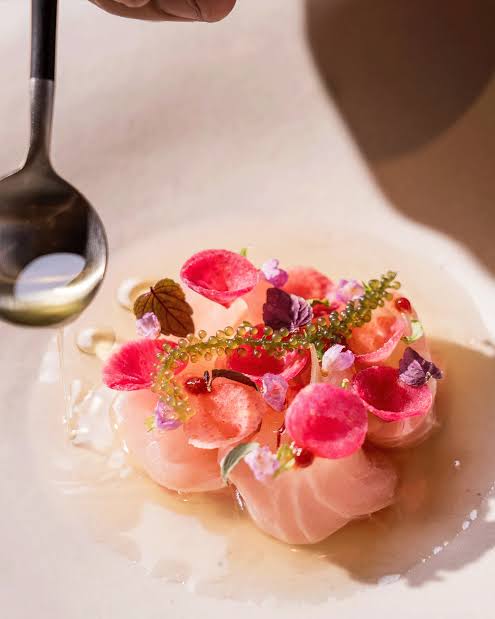
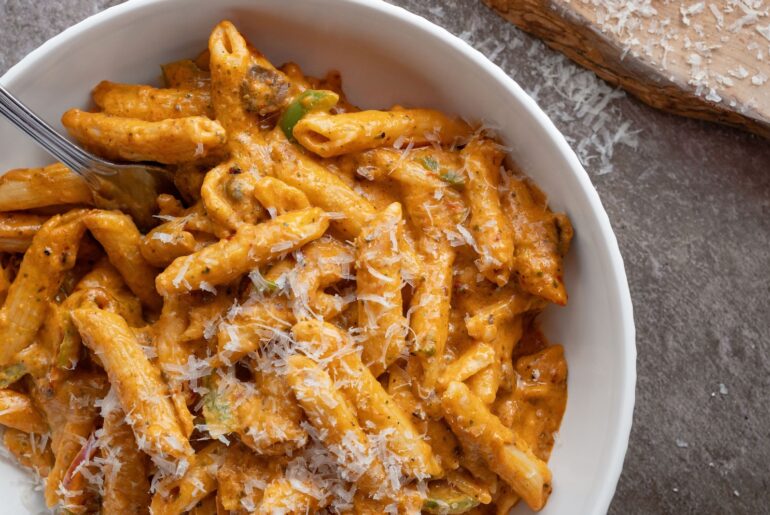
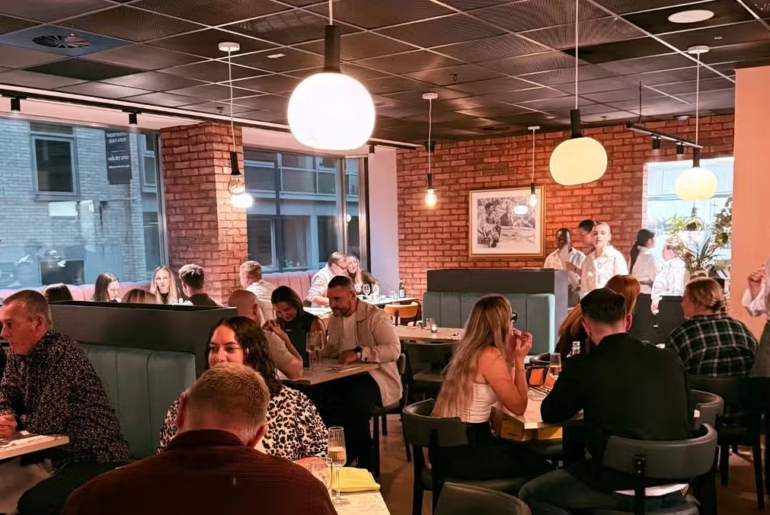
Where to eat: For classic home-style cooking, my first stop would be Trattoria Aldina, a trattoria above Mercato Albinelli that opens only for lunch and does not take reservations. Franceschetta58 by Massimo Bottura translates the traditional flavors of Emilia-Romagna into a more contemporary menu, while Osteria Francescana is a place you will remember for the rest of your life if you are lucky enough to secure a reservation.
Where to stop for coffee: Caffè dell’Orologio, a historic café on Piazzetta delle Ova that has been part of Modena since the 18th century and remains one of the classic places for an espresso in the city center.
Where to stay: Casa Maria Luigia. Massimo Bottura and Lara Gilmore’s house is located just outside the center and feels more like a private residence filled with contemporary art, books, records, and Italian cars than a traditional hotel.
How to get there: The easiest option is to fly to Bologna, from where Modena is around half an hour away by train. There are direct flights from Belgrade, with return tickets starting at around €90, while flights from Zagreb and Ljubljana require a connection, with tickets costing approximately €150 to €210.
Photos: Courtesy of Osteria Francescana & Franceschetta58

For lovers of seafood: Galway, Ireland
Galway is a city facing the Atlantic, something you can feel as soon as you arrive. The Latin Quarter is filled with narrow streets, colorful façades, and pubs where music often spills directly onto the street, while just a few minutes away, the city opens onto the Spanish Arch and Galway Bay. Continue along the coast and you will reach Salthill and its long promenade, which is especially beautiful when the fall weather changes several times over the course of a single day. For a longer stay, Connemara and the Aran Islands are close enough to incorporate easily into a day trip.
What you must try: Galway Bay oysters, seafood chowder with Irish brown soda bread, smoked salmon, mussels, and Connemara lamb. Late September is an especially good time to visit because the Galway International Oyster & Seafood Festival takes place from September 25 to 27, 2026, celebrating its 72nd edition this year and marking the beginning of the native oyster season.
Where to eat: Ard Bia at Nimmos, located beside the Spanish Arch, has been one of the city’s best-known addresses for more than two decades and is a good choice for a relaxed lunch or dinner. Kai Restaurant works with local, seasonal ingredients and offers a constantly changing menu, while Aniar is a good choice for a special dinner. JP McMahon’s restaurant retained its Michelin star in the 2026 guide, and its menu is rooted in the ingredients and landscape of western Ireland.
Where to stop for coffee: Coffeewerk + Press, a cult coffee shop and design store on Quay Street that appears on lists of the best coffee shops in Europe. It is housed in a building around 400 years old, and alongside specialty coffee, you will find carefully selected books, art, and objects by Irish and international designers.
Where to stay: The Dean Galway, the city’s first design-led boutique hotel, just a few minutes from Eyre Square.
How to get there: The easiest option is to fly to Dublin and then take a direct bus to Galway, which takes around two and a half to three hours and costs from approximately €25. Direct one-way tickets to Dublin from Belgrade and Zagreb start at around €200, while travel from Ljubljana requires a connection, with prices starting at approximately €235.
Photos: Courtesy of Ard Bia, Kai Restaurant, Aniar
Related: 6 new restaurants worth booking a trip to London for
For lovers of Basque cuisine: San Sebastián, Spain
San Sebastián stretches around La Concha Bay, with the old town nestled beneath Monte Urgull and the more elegant streets of the city center extending into Gros on the other side of the Urumea River. The sea is constantly within view, whether you are walking along the La Concha promenade, climbing toward the viewpoints, or ending up on the broad Zurriola Beach. In fall, the city is entirely at the mercy of the changeable Atlantic weather, free from crowds and perfect for exploring on foot, from Parte Vieja to Eduardo Chillida’s Peine del Viento sculptures at the very end of the bay.
What you must try: The Gilda, made with an olive, anchovy, and pickled pepper; hake kokotxas; txangurro; salt cod al pil-pil; and the famous cheesecake from La Viña.
Where to eat: Ganbara, a Parte Vieja institution known for its traditional pintxos and chef Paulo Airaudo’s two-Michelin-starred restaurant Amelia, located inside Hotel María Cristina.
Where to stop for coffee: Café Oquendo, opened in 1924 during the Belle Époque, just a few steps from Teatro Victoria Eugenia. Its proximity to the theater has made it a long-standing gathering place during the San Sebastián Film Festival.
Where to stay: Hotel María Cristina, on the banks of the Urumea. During the film festival, stars visiting San Sebastián traditionally stay here, while Coco Chanel and Bruce Springsteen are among the notable guests who have passed through the hotel over the course of its history.
How to get there: There are no direct flights to Bilbao from Belgrade, Zagreb, or Ljubljana, so expect one connection. Return tickets start at around €300 from Belgrade, €258 from Zagreb, and €170 from Ljubljana. A direct bus runs from Bilbao Airport to San Sebastián.
Photos: Courtesy of Amelia