An Italian investigation of retailers selling global foods uncovered the organized illegal sale of foods imported from China, some of which had been falsely sold as plant-based snacks when they contained ingredients of animal origin. Tests also revealed undeclared allergens, the presence of African Swine Fever (ASF) virus, and prohibited species. The findings prompted national authorities to launch a coordinated national inspection campaign.
The investigation was detailed in a new article published in the Italian Journal of Food Safety, in which researchers from the Naples Local Health Authority and the University of Naples examined how prohibited foods may circumvent EU controls for products imported from third countries.
EU legislation specifies the third countries, territories, regions, and establishments authorized to export certain animals and foods of animal origin to the EU. Imported products are subject to risk-based inspections at border control posts (BCPs). However, the researchers explained that prohibited products may evade these controls through concealment, false labeling, and entry through less-regulated points.
Inspections Uncover Misrepresented Animal Products
The investigation originated from Italy’s Campania Region’s 2023–2027 Multiannual Regional Control Plan and concerns raised during monitoring for species identification in meat products from non-EU countries.
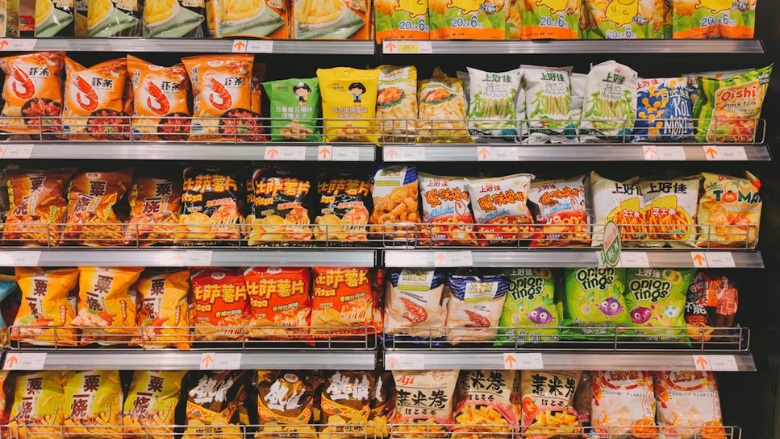
Investigators conducted 17 visits to ethnic food retailers—primarily Pakistani, Ukrainian, Filipino, and Chinese shops—in Naples, Italy. Notably, five Chinese food retailers were found selling irregular foods of animal origin that had been presented as products such as “salty snacks with sweeteners,” wheat-based snacks, and soy-based snacks.
Inspectors used artificial intelligence (AI)-powered translation applications to compare Chinese-language packaging with Italian labels. According to the researchers, the Italian labels followed a standardized pattern, repeatedly listing similar plant-based ingredients while omitting or misrepresenting information about the products’ actual composition.
Mandatory information was also missing, including identification of the food business operator responsible for the information, allergen declarations, and “use by” or minimum durability dates. In contrast, numerical information, such as net weights, production dates, batch numbers, and nutrition declarations, generally matched the original packaging.
Looking for quick answers on food safety topics?
Try Ask FSM, our new smart AI search tool.
Ask FSM →
Investigators also examined the Chinese production facilities identified on the original labels against the EU’s Trade Control and Expert System (TRACES) database. None of the facilities were located in Chinese provinces authorized at the time to export the relevant meat products to the EU, and none of the identified establishments appeared on the applicable lists of authorized exporters.
Authorities ultimately placed large quantities of food under official detention, including fresh and processed poultry, pork, and beef; seafood products; whey-containing beverages; products that could not be identified because of inadequate labeling or physical characteristics; and some non-animal foods.
Testing Detects Prohibited Species, Undeclared Allergens, and ASF Virus DNA
Officials collected 46 samples for laboratory analysis, seventeen of which were tested for species identification, including nine meat products and eight processed fishery products. Another 29 pork-containing products were tested for African swine fever (ASF) virus using real-time polymerase chain reaction (RT-PCR).
Species testing of the nine meat products identified the presence of animal-derived matrices, including pork and beef, for which the researchers said applicable imports were prohibited.
Testing of eight fishery products also identified undeclared fish and mollusk species, representing an allergen risk that was not communicated on the Italian labels.
Additionally, 12 of the 29 pork-based samples tested positive for ASF viral DNA. The researchers emphasized that detection by real-time PCR demonstrated the presence of viral DNA but did not establish that infectious virus capable of causing disease was present.
Investigators also reported hygiene and traceability violations, including missing or incomplete commercial documentation, expired products, foods in poor condition, and parasite infestation.
Approximately 4 metric tons of Chinese-origin foods prohibited from importation were ultimately seized and reported to judicial authorities. Legal proceedings were initiated against five operators for alleged offenses including commercial fraud and customs violations.
Findings Prompt National Controls
Following confirmation of the illegally imported animal products, authorities shared information through the EU’s online Rapid Alert System for Food and Feed (iRASFF) platform. Italy’s Ministry of Health subsequently issued a December 2023 directive for a nationally coordinated inspection campaign targeting retailers and local markets selling global foods with similar noncompliances.
The campaign called for at least 30 inspections per region and 15 per autonomous province during the first quarter of 2024. Authorities were instructed to pay particular attention to illegally imported meat and meat products because of their potential role in transmitting zoonotic pathogens. Amid Italy’s ongoing ASF emergency, surveillance was also expanded to include extraordinary testing for ASF virus in irregular foods containing porcine material.
Evidence collected during the Naples investigation suggested that the retailers may have represented the endpoints of a broader illicit distribution network rather than the primary importers. Investigators found rolls and bundles of adhesive labels stored with packaged products, including inside cartons, supporting the researchers’ hypothesis that illicit products and false labeling materials were supplied together, with labels potentially applied at the retail level.
The researchers concluded that enforcement efforts should extend beyond retail endpoints and make greater use of data-driven investigations, interagency and international cooperation, alert networks, and technologies such as AI. Such tools, they said, could improve traceability, data analysis, and the rapid identification of emerging food safety risks associated with fraudulent international trade.