Tell me about BRED.
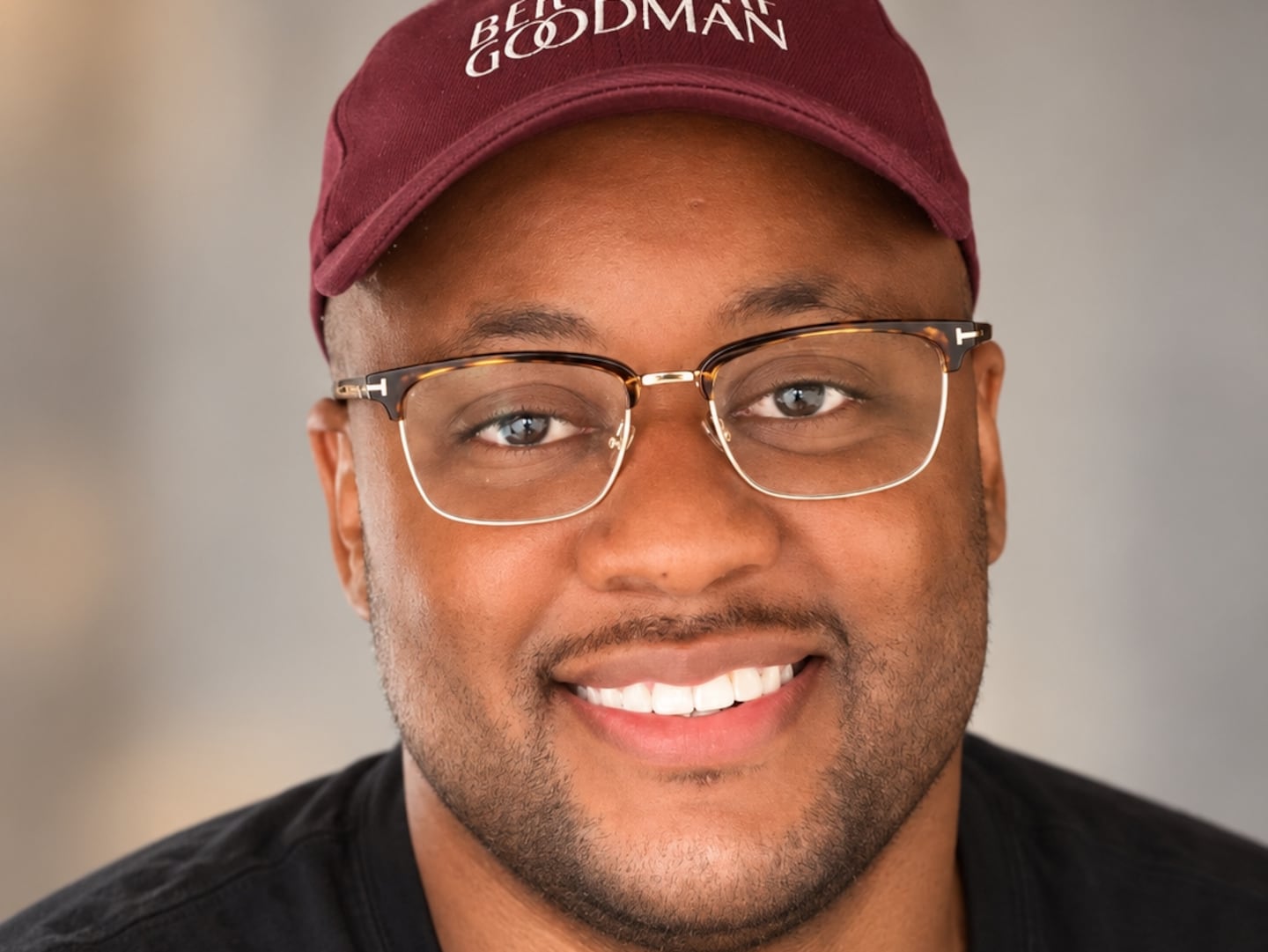
BRED started off originally as a gourmet burger restaurant. We did mostly takeout. I just wanted to give people my take on what a burger should taste like. I wanted to incorporate all of my upbringing.
It evolved over time to more comfort food along with burgers, and we’ve been doing very well since then.
How do your burgers taste? What makes them different?
We smoke the burgers. Traditionally, people put their burger on a grill, cook it for two minutes on each side, then get it to whatever temperature you want. Right now, we’re using maple, oak, and ashwood. Seasonally, we’ll switch to hickory. People are tasting that smoky flavor, and that’s what makes our burgers different.
How did you get started in this line of work?
It’s crazy. It just happened. Growing up, I never said that I wanted to be a chef or anything like that. I played basketball at the University of Hartford. I was there for four years. I came out of school, didn’t know what I wanted to do. My aunt ended up helping me get a job at her insurance company, and I absolutely hated it. I still have nightmares about that.
I used to like the gym a lot. After the gym, I used to go to this burger spot and always get a burger on Saturdays — this spot in Dedham called b. good. It was like a tradition to me.
Every time, I’d make it a little different, customizing it and stuff. I was like: “Yo, I could really do this.” You know what I mean? This was around the time Five Guys was coming up here to Boston. I think Shake Shack was fairly new, too. Burgers were becoming trendy.
So, I tore my ACL and I started working from home. When I started working from home, I was online all the time, just looking at different burger spots. And I just came up with this idea: “This is going to be my escape from the corporate world.”
One day, I was walking my dog. I really want to get something to eat. So I was walking up the street to Pat’s Pizza, which is in Lower Mills, and I looked across the street, and there was a “for lease” sign on a restaurant called Mrs. Jones. And I was like: “This must be my sign.”
I called up the landlord, and he asked me, “Well, do you have any restaurant experience?” I feel bad, you know. I mean, I lied. I was like, “Yeah, absolutely!” I’d never had a day’s experience, but I just knew that I really wanted to.
Some friends owned restaurants, and I would go to their spots. I called them up. I called my mother up. I said, “Hey, I really want to do this. What do you think?” She’s like, “Yeah, go for it!”
Did she help you invest? What was her involvement?
For sure. I used all of my savings, and she gave me a little bit of money to help start it up. When we first did a little test run, I invited some family and friends to come and do a soft opening. It absolutely bombed. It was so bad.
Oh no! What happened?
It was terrible. In my mind, I thought this was going to be so easy, until it was showtime. The burgers weren’t cooked properly. The fries were salty and oily. The food was taking so long. It was a nightmare.
I didn’t even go home that night because I basically invited everybody back out the next day. Thank God these were people I knew. They gave me another shot.
We basically stayed there the whole night and tried to perfect everything, and literally the next day it was a total 180. Everybody was happy. Everybody was saying it was good.
I know you’re expanding. Why did you choose Faneuil Hall?
One thing that really attracted me to Faneuil Hall was just obviously that it’s Faneuil Hall. I know Faneuil Hall’s been kind of getting a bad rap for a little bit, because there hasn’t been much stuff to eat over there. It’s been kind of redundant over there for a while.
Obviously, the foot traffic attracted me, and just I’ve had this concept that I wanted to do in the back of my mind for some years now, and it just seemed like the perfect place to showcase it.
Did they approach you?
They came to us technically through a third party.
It was probably one of the longest, toughest decisions that I’ve had to make in a while, because the state of the restaurant industry sucks right now. I’m not a rich person. I don’t have any investors or anything like that. So for me to open up another [restaurant] in this climate is absolutely crazy. But I’m absolutely crazy.
Really, why do it?
I do things sometimes that are just all vibes.
How do you think that Boston succeeds as a restaurant community, and where do you think we could do better?
We do seafood well. I’ve been to different places, and the seafood doesn’t compare to how the Boston food scene does it. And maybe Italian food. I think those are two cuisines that Boston does well.
I wish that we could be like other cities and have happy hours. I feel like that would improve the restaurant game in Boston a lot. I think that we could also improve by way of restaurants collaborating more.
Small businesses like myself, we have to aim more for collaborating versus trying to be in competition with one another because the big money restaurants are coming to town, and they’re trying to take us all out.
What’s the solution?
We’ve got to find ways to get customers to shop more locally. We have to emphasize that we’re homegrown. You’ve got the big chains and bigger restaurants coming to town, and they get on Instagram and stuff like that, and everybody’s so excited to go to those restaurants.
I talk to my ChatGPT therapist every day, putting in ways to make it. But sometimes these big shiny people like big shiny new things. We have to do things like lower prices and offer deals and specials and stuff like that to get people to come to the small businesses.
You go to the newer, big restaurant chains, and there are no deals over there, but people are getting dressed up, paying high tabs. But for us, it’s like: What can you offer?
How do small businesses have the money to offer deals?
We don’t, but we still have to. It sucks to say, but a lot of people have this mentality that we’re greedy.
When I first opened up BRED, the price of a burger was $8.50. Back in 2014, 2015, people told me that that was expensive, right? Now, fast forward, obviously inflation happens, and the price of a burger is $16. Still, people are saying, “Oh my God, $16 for a burger!” And they’re not even taking into consideration that you go to McDonald’s and the Five Guys and these places, and the cost of the burger is about the same.
In order for us to survive, we have to pay high prices to these big food vendors, and we’re getting such small margins. It’s hard to survive like that.
How have you survived? Why do you think you’ve had longevity?
I think it’s just a mental toughness that I’ve developed. I’ve been doing this for a long time. I’ve had the support of my wife and my parents and stuff like that. But you know, I think it’s just it’s all about survival right now. It’s based on grit and mental toughness.
What about money, though? Have you raised your prices?
I do raise my prices, and I catch flak for it. That’s another thing. Social media is the gift and the curse, you know?
When I opened up back in 2014, 2015, social media wasn’t what it is now. There were no food influencers. There wasn’t that big emphasis on seeing food online. But now, it’s like we’re playing a different game here.
What role do influencers and social media play [in your world]?
I put them in a bucket. There’s good influencers and there’s greedy influencers. I feel like the good influencers, obviously, you know, they come, they support, they try to help, they try to get a restaurant recognition.
Even if they’re doing a food review, everything doesn’t always have to be, “This is an A!” Even after giving people real reviews, people still see the restaurant and they go to it so they can give their own reviews.
But then you have some influencers — I’m not gonna say any names — but they want to charge thousands of dollars for a 30-second clip. How does this even make sense? It’s like everybody’s trying to make money off of restaurants, especially small businesses.
It never ever sat well with me. We’re not paying to play with influencers. We build genuine relationships with influencers, and they come by; they help us out.
Where did you grow up eating?
My mother used to always take me to IHOP, TGI Fridays, and it was one place — I think it was called the Ground Round. That was basically my little lineup as a kid.
Where do you like to eat when you’re not working?
I love M&M Ribs in the Dorchester Brewery. They’re like family to us. I eat there a lot.
Is there an ingredient or burger topping that you cannot stand?
I’m greedy, and I like all kinds of food. Let me see. It’s not a burger topping, but I do hate melons. I can’t stand honeydew, cantaloupe, or anything like that. And, oh my God, I hate avocado. I can’t do it unless it’s in guacamole and I’m dipping a chip into it with other stuff on it. Avocado disgusts me. I don’t know why.
What’s your most controversial opinion as a restaurateur?
Hmm. I hate big chains. I’m not afraid to say I hate them. I think they are the worst, and the food is never that good. I just feel like it’s a lot of dollars going behind marketing these places, but there’s no soul in their food, no culture, no spice and flavor in their food. It’s just all basic, with a nice interior and cocktails and stuff like that. I also hate espresso martinis.
Kara Baskin can be reached at kara.baskin@globe.com. Follow her @kcbaskin.