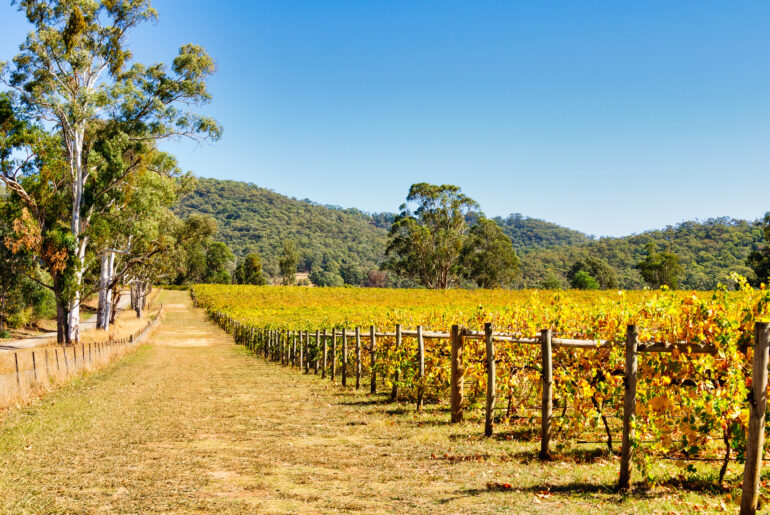

If Burgundy reads slopes, Mount Etna reads lava. Discover how an active volcano created 133 distinct single-vineyard terroirs on the edge of Sicily.
What questions does this video answer?
Why does Mount Etna challenge traditional wine classifications?
What is a “Contrada” on an Etna DOC label?
How do overlapping historical lava flows create radically different soils?
What are the stylistic differences between Etna’s North, East, and Southeast slopes?
Why do Nerello Mascalese and Carricante produce such savory, high-acid wines?
About This Video:
Sicily is practically a continent of wine, but on its eastern coast, one active volcano completely breaks the rules. If Burgundy teaches wine drinkers to read the subtle angle of a slope, Mount Etna forces you to read the lava.
The Etna DOC officially recognizes 133 named Contrade—individual geographic sub-zones whose names appear directly on the label. This isn’t marketing decoration; it is pure geography. Mount Etna never laid down one uniform soil. Over thousands of years, distinct eruptions layered lava, black ash, and porous pumice across different valleys at different historical moments.
Combine those complex volcanic soils with high altitude (vineyards climbing well past 1,000 meters) and changing sun exposures, and the terroir shifts every few hundred meters. The high northern slopes produce perfumed, structured Nerello Mascalese that rivals Barolo and red Burgundy. The eastern face captures cool Ionian sea moisture, and the warmer southeast yields broader profiles. Meanwhile, indigenous white grape Carricante translates raw volcanic tension into taut, saline, age-worthy whites. This isn’t a hierarchy of Grand Crus—it’s an exact map of origin.
#etnarosso #sicilianwine #volcanicwine #italianwine #winetasting #sommelier #bighammerwines