
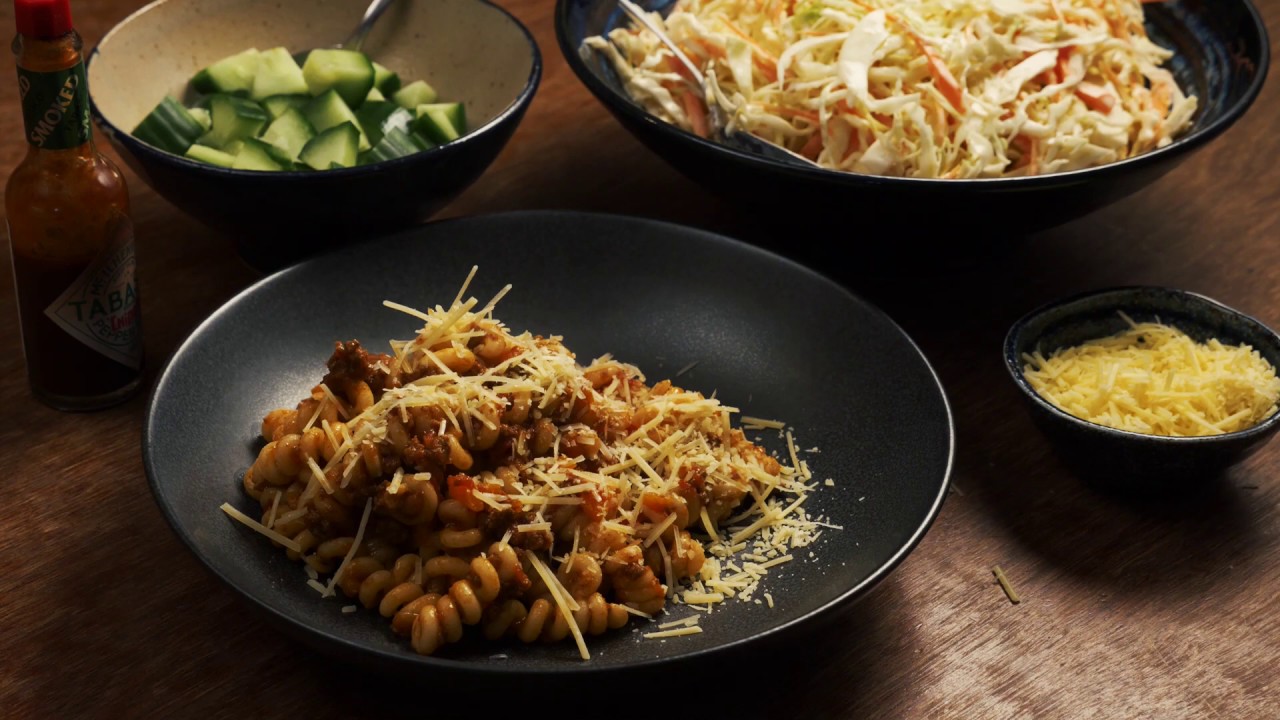
Spaghetti Bolognese
Put down the fork, step away from the table, that meal we’ve been eating since childhood doesn’t exist. I don’t know what it was but it wasn’t spaghetti Bolognese. According to the mayor of bologna that dish is fake news. A term I find says more about the speaker than the subject itself, but that’s a different story.
According to the mayor and many others there is no such dish in bologna, although there is a minced meat based sauce which is called ragu alla Bolognese which closely resembles the Bolognese meat sauces we know in New Zealand. However some historians claim this sauce actually originated from Imola- a town to the west of Bologna.
The term ‘ragu’ was apparently introduced to Italy in the 18th century when Napoleon and his army invaded and brought with them the French ragout- a meat based stew.
Anyway here’s the official recipe as deigned by the Italian academy of cuisine in 1982-
There’s no doubt this looks delicious, but it’s not the Bolognese sauce I grew up with. Have a look at Gennaro Contaldos version- While his recipe is very similar to the ‘official’ recipe, it’s not exactly the same, so does that mean there’s room for variation in Bolognese sauce recipes?
I love it, that sauce looks amazing and I want his stove. I noticed he didn’t finish his sauce with milk though.
Now apparently our Bolognese sauce with its abundance of tomato more resembles a ragu alla Napolitana which comes from Napoli where tomatoes are used more in their cooking. Although this sauce has large chunks of meat rather than mince. So perhaps our sauce is some kind of hybrid that has morphed into what we know today. And while we’re on the subject of tomatoes let’s remember that these were introduced to Italy from South America after Columbus went sailing.
The other bone of contention is that our spag bol is served with spaghetti- you’d never see this in Bologna apparently, where the pasta shape of choice is tagliatelle. The sauce sticks better to the larger flatter surface of this pasta. This makes sense I suppose. But has no one in Bologna run out of tagliatelle on tag bol night and had to resort to the packet of spaghetti buried deep in the back of the pantry? Now while we’re on the subject of pasta, let’s remember this was by most accounts first developed in China, making its way to Italy sometime after.
So one issue is that the dish is named after a place and the people of that place don’t feel the dish truly represents them. Understandable for sure, I’m sure there are plenty of common dishes and food items in New Zealand that we’d scoff at when produced in different ways overseas. There are also plenty of other dishes named after places that the inhabitants know little about- the Danes I know seemed bemused with the concept of Danish pastries and I’m not sure what you’d get if you asked for French toast in France. Would the citizens of Afghanistan correctly identify our chocolate and cornflake biscuits with the walnut embedded in the icing?
So can anyone or any people own a language? There is clearly migration of words between languages.
There’s plenty of other examples of recipes being prepared by people outside of the original culture that vary from the original and get shot down. Just look at the controversy Jamie Oliver got himself into when he dared to put chorizo into a paella-
So can any culture own a recipe? There is clearly a sharing of cooking methods, ingredients and ideas between people around the world.
Which brings us to the concept that it’s possible for there to be one true way of preparing a particular recipe. It doesn’t take long searching online to find dozens of ‘authentic’ Bolognese sauce recipes- all slightly different. Then there’s a googolplex of alternate versions. Everyone cooks their own version and sometimes people cook several versions of the same recipe, changing the ingredients and method depending on what is available and their mood at the time.
I guess what I’m trying to get to is that we’ve shared food forever and taken the ideas and ingredients we liked along the way. The naming of these dishes that have been developed independently of their namesake should be seen as a tribute to where the idea came from.
Whichever way you make it, whatever type of pasta you prefer- if that’s the way you like it, then that’s the right way to make it. Call it what you like, but maybe don’t expect everyone else to do it the same.
Music- Real, by Azuki