Music: A_Night_Alone.mp3
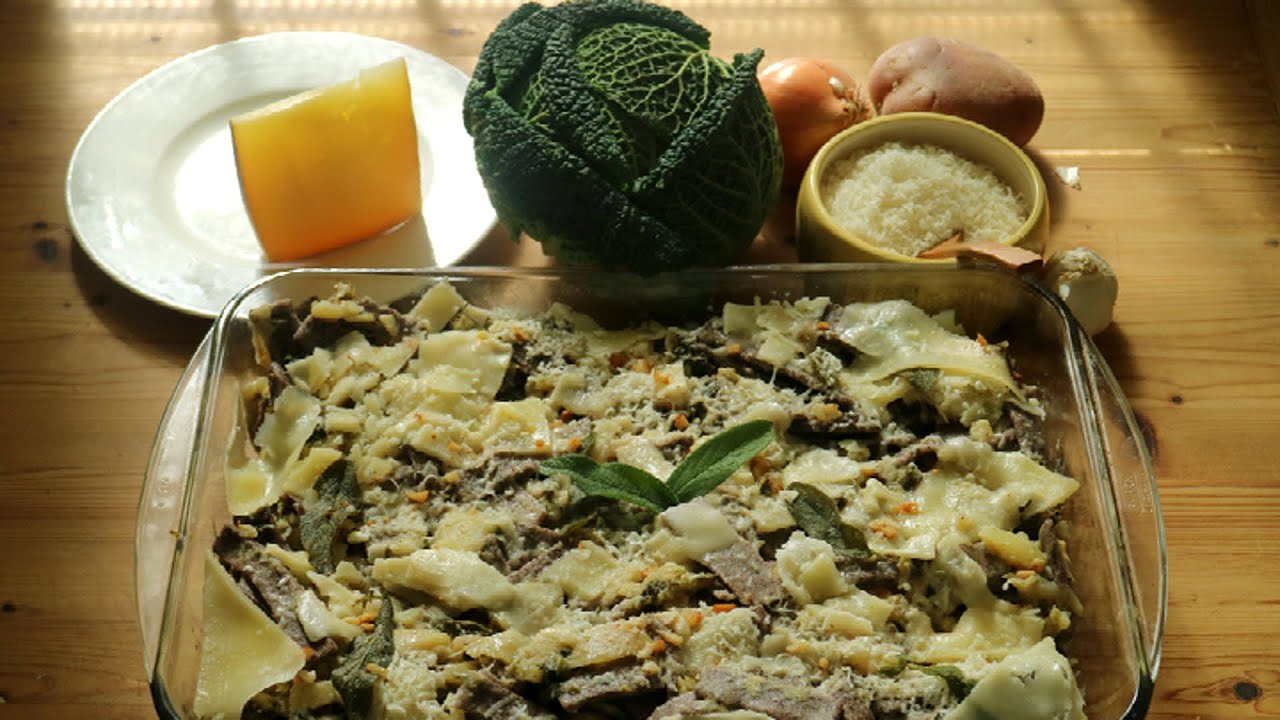
In the recipe I used gluten-free buckwheat flour. Pizzòccheri are a variety of pasta made with buckwheat flour. Similar to tagliatelle, but grayish in color, pizzoccheri are a traditional dish from Valtellina, an alpine area in Lombardy. Historical documents attest that pizzoccheri are linked to events and traditions of the place of origin, their traditional dressing is prepared with local and typical ingredients (butter, Bitto cheese and Valtellina Casera cheese, vegetables such as Savoy cabbage or chard and potatoes). Over the years, events and popular festivals have been organized to celebrate the product: the most famous is the “Pizzocchero d’oro” in Teglio.
The name “pizzoccheri” seems to derive from the root “pit” or “piz” with the meaning of small piece or from the word pinzare with the meaning of to crush, in reference to the flattened shape of the pasta. Other hypotheses would trace the word pizzoccheri from the Lombard “bizzo”, or “mouthful” but this etymological hypothesis is rather unlikely.
The buckwheat plant originates from Central Asia and is also grown in Europe, the Scandinavian countries and North America. In Italy the cultivation of this plant is not very widespread and is limited in some areas of the north.
The first evidence of the cultivation of buckwheat (called formentone) in Valtellina dates back to 1616, when the governor of the Valle dell’Adda wrote that “The buckwheat was grown mainly on the Rhaetian side of the Alps, particularly in the Teglio area, as characterized by a milder climate thanks to greater exposure to the sun ».
Over time, the production of buckwheat flour has declined, in favor of other flours more in demand by the market.For the moderate content of carbohydrates and a significant presence of cellulose, it is recommended for people with high blood sugar, diabetes or several metabolic problems. The consumption of this cereal is also indicated for people with blood vessel problems, due to the presence of bioflavonoids.