
https://pizzapartiesofamerica.com/italian-bread-101-types-and-tasty-uses-you-must-know/
Italy, with its ancient culinary traditions, offers a bread for every occasion, each type telling a story of the region it hails from and the people who crafted it. Today, we dive into the heart of Italy’s bread culture, exploring the various types and their unique uses that go beyond merely being a side to your pasta.
Let’s start with the universally loved Ciabatta. Originating from Veneto, this bread’s name literally means “slipper,” hinting at its flat, elongated shape. The ciabatta’s airy texture and crisp crust make it perfect for paninis, absorbing flavors without falling apart. Imagine biting into a sandwich filled with prosciutto, mozzarella, and a drizzle of balsamic glaze, the ciabatta holding everything together in perfect harmony.
Next on our journey is Focaccia, a bread that truly embodies the spirit of Italian cuisine. This olive oil-rich bread, with its soft inside and slightly crunchy outside, serves as a versatile canvas for a myriad of toppings. Picture a warm slice of focaccia, its surface dimpled and sprinkled with rosemary and sea salt, a perfect accompaniment to a hearty bowl of minestrone soup.
Venturing into the sweeter side of bread, we encounter the festive Panettone. Traditionally enjoyed during Christmas and New Year’s celebrations, this Milanese specialty is a testament to the joyousness of Italian festivities. With its dome shape and candied fruits and raisins, panettone pairs wonderfully with a glass of sweet wine, ending your meal on a note of indulgence.
Not to be overshadowed, Pane Toscano, from Tuscany, brings simplicity and tradition to the table. Known for its lack of salt, a historical consequence of tax evasion, Pane Toscano highlights the flavors of the dishes it accompanies rather than competing with them. It’s the unsung hero of a Tuscan steak dinner, perfect for sopping up rich sauces and oils.
comes clear that Italian bread is more than just food; it’s a cultural artifact, a piece of history you can taste. Each type serves a purpose, from elevating a simple meal to becoming the centerpiece of a festive gathering. The versatility of these breads in cooking is astounding—whether you’re tearing off a piece of ciabatta to dip into a bowl of olive oil and vinegar or enjoying a slice of panettone as a sweet conclusion to your feast.
In Italy, bread is treated with respect, often considered sacred. It’s not just about what bread you choose but how you use it. Leftover bread finds new life in dishes like Panzanella, a Tuscan salad that turns stale bread into a culinary masterpiece, or in the thickening of soups and stews, ensuring that nothing goes to waste.
The journey through Italy’s breads is akin to a voyage across the country’s landscapes, each bread a landmark, a memory, a piece of the mosaic that is Italian culinary tradition. From the soft, olive oil-kissed crust of focaccia to the sweet, fruit-filled bites of panettone, Italian breads invite us to explore, taste, and celebrate the richness of Italy’s food culture.
For More, go to https://pizzapartiesofamerica.com/italian-bread-101-types-and-tasty-uses-you-must-know/
#ItalianBread #Ciabatta #Focaccia #Panettone #ItalianCuisine #BreadLovers #CulinaryJourney
Ciao welcome to a quick tour of Italy’s Finest breads first up chabata a rustic loaf with a crusty exterior and Airy interior perfect for paninis or simply dipping in olive oil next meat fatcha thick soft and Rich with olive oil it’s often topped with herbs or other ingredients a delicious snack in itself
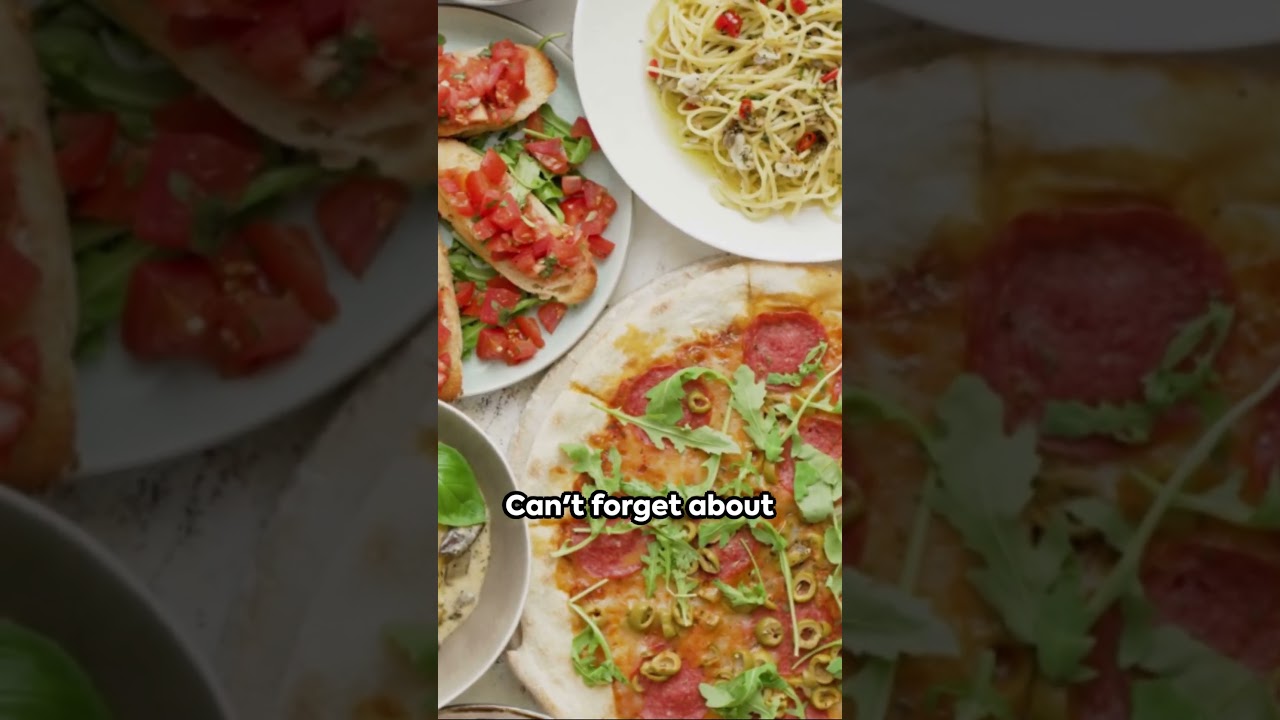
Ever tried paneton this sweet dome-shaped bread studded with dried fruits is a festive favorite slice it for dessert or enjoy with coffee can’t forget about penis Yoko a Tuscan bread made without salt it might sound plain but it’s the perfect canvas for robust Italian flavors lastly we have grini
Thin crunchy bread sticks hailing from turine ideal as an appetizer or with a cheese platter from crusty loaves to Sweet Treats Italy’s breads are as diverse as they are delicious a slice of Italian culture indeed until next time happy baking