
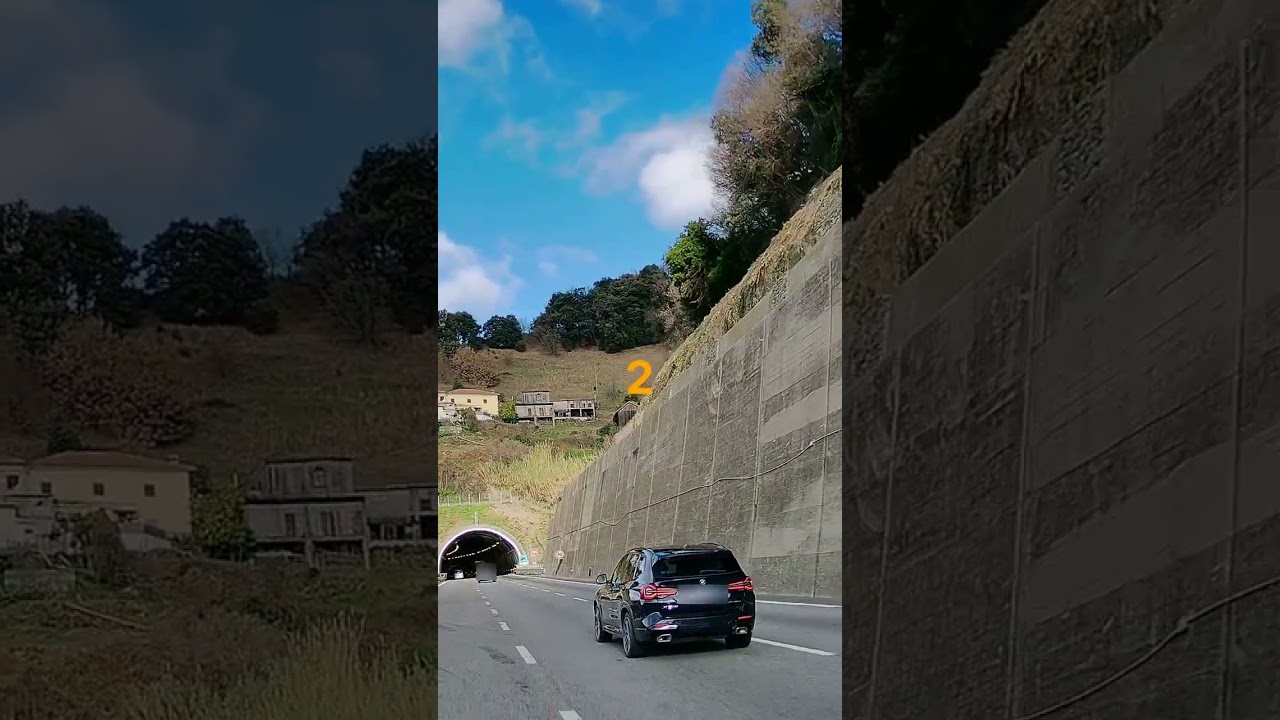
QUIZ ANSWER: The Po Valley produces over 40% of Italy’s national GDP.
Step into a land where history whispers from ancient stones and nature paints breathtaking panoramas. “Po Valley: Land of Legends” invites you on an immersive journey through Italy’s captivating Po Valley, beginning our exploration at the coordinates 44.3865, 8.6353 – a precise point near Ovada, Piedmont, nestled where the rugged Ligurian Apennines gently give way to the fertile plains. This isn’t just a geographical location; it’s a crossroads of millennia, a forgotten corner teeming with stories waiting to be rediscovered.
Our adventure starts amidst the rolling hills and deep valleys carved by the Stura di Ovada and Orba rivers, which converge here to form the Bormida di Spigno. Ovada’s unique position places it at the very doorstep of the Ligurian Apennines, a vital natural barrier that historically shaped its destiny. This transitional landscape offers a spectacular blend: the dramatic, forested slopes of the mountains contrasting with the burgeoning vineyards of Dolcetto d’Ovada DOCG and the agricultural richness that characterizes the wider Po Valley. While the vast flatness of the Po Plain unfolds further north, here you experience the valley’s more dramatic, sculpted southern edge. The Bormida river system, a crucial tributary network to the mighty Po, underscores the deep hydrological connection that links these foothills to Italy’s largest river and its expansive basin, a cradle of Italian civilization. From these verdant hills, one can almost sense the proximity of the Ligurian Sea, though it’s hidden beyond the mountains – a constant reminder of Ovada’s pivotal role as a gateway.
The history of this region is as layered as its landscapes. In Roman times, the area around Ovada was strategically important, lying close to the Via Postumia, an ancient consular road that linked Genoa (then an important Ligurian port) to Placentia (Piacenza) and ultimately to Aquileia in the east. Roman presence left its mark, laying foundations for future settlements and trade. As the Roman Empire waned, the region entered a complex medieval period, characterized by feudal lords, local castles – including Ovada’s own imposing Castello Adorno, built upon Roman ruins – and often turbulent struggles for control. It was a frontier zone, contested by powerful entities like the March of Montferrat and various free communes seeking autonomy.
However, it was the Republic of Genoa that truly forged Ovada’s identity for centuries. From the 13th century onwards, Ovada became a critical Genoese outpost, safeguarding vital trade routes that transported salt, spices, textiles, and other goods from the Ligurian coast into the rich markets of Piedmont and Lombardy. This connection to Genoa isn’t just administrative; it’s woven into the very fabric of local culture, dialect, and even architecture. The town’s defensive structures and strategic location protected these lucrative routes, making it a valuable jewel in the Genoese inland empire.
The shifting tides of Italian history eventually saw Ovada transition from Genoese rule to the rising power of the Kingdom of Sardinia-Piedmont in the 18th century, a move that integrated it more deeply into the Savoyard sphere and ultimately into the unified Italy. During World War II, the rugged terrain of the Apennine foothills around Ovada became a refuge and stronghold for partisan resistance movements, adding another heroic chapter to its story of resilience and independence.
This rich tapestry of geography and history has cultivated a unique local culture. The culinary traditions are a delightful fusion of Piedmontese heartiness and Ligurian finesse, featuring robust pasta dishes, exquisite truffles from nearby areas, and, of course, the distinctive Dolcetto d’Ovada wine, a testament to the region’s viticultural heritage. Local festivals often celebrate agricultural bounties and historical anniversaries, keeping the legends alive. The people here carry a deep connection to their land, a heritage shaped by centuries of defending their routes, cultivating their soil, and preserving their unique identity at the crossroads of mountains and plain.
Join us as we uncover these fascinating layers, from the geological forces that shaped the land to the human sagas that define its soul. What local legend have you heard from the Po Valley? Share your thoughts in the comments below! Don’t forget to like this video, subscribe to our channel for more historical and geographical explorations, and hit the notification bell so you don’t miss our next adventure!
#PoValley #LandOfLegends #Ovada #Piedmont #ItalianHistory #GenoeseRepublic #Apennines #BormidaRiver #DolcettoDiOvada #RomanItaly #MedievalHistory #ItalianGeography #TravelItaly #HiddenGemsItaly #HistoricalDocumentary