
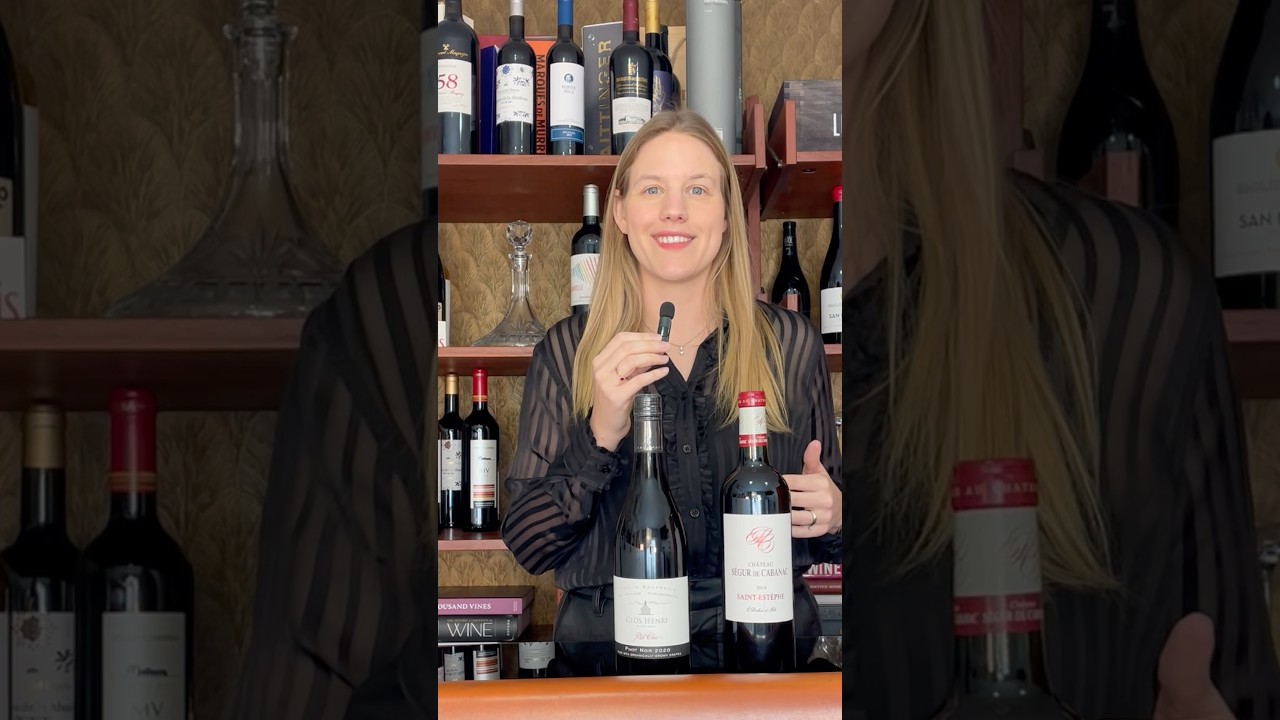
When people talk about Old World vs New World wine, they often reduce it to geography, but the real difference goes much deeper than a map — it is about history, climate, philosophy, and the intention behind how a wine is made.
Old World wines, coming from traditional European regions such as France, Italy, or Spain, are shaped by centuries of viticultural history, strict appellation laws, and a deep respect for terroir, which means the soil, climate, and cultural heritage play a central role in defining the wine’s identity; these wines often show higher acidity, more structure, earthy or mineral notes, and a sense of restraint that allows them to evolve beautifully over time.
New World wines, from regions like California, Australia, Chile, or South Africa, developed outside of those historic regulations, giving winemakers more freedom to experiment with grape ripeness, oak influence, and stylistic expression, which often results in wines that are fruit-forward, fuller-bodied, rounder in texture, and immediately expressive in the glass.
The difference is not about quality, and it is not about which is better.
It is about style, climate, and philosophy.
A Bordeaux from France may feel structured, layered, and slightly reserved in its youth, while a California Cabernet Sauvignon may feel generous, bold, and fruit-driven from the first sip — and understanding why that happens changes the way you taste wine entirely.
When you begin to recognise these patterns, you stop judging wines as “good” or “bad,” and instead you start asking what story they are telling and what tradition or freedom shaped their character.
That is where wine becomes more than a drink — it becomes context, culture, and expression.
Which style resonates more with you — the elegance and tension of the Old World, or the openness and richness of the New World?
Follow Dis&Dis for wine explained in a way that is clear, thoughtful, and rooted in what truly shapes the bottle.