
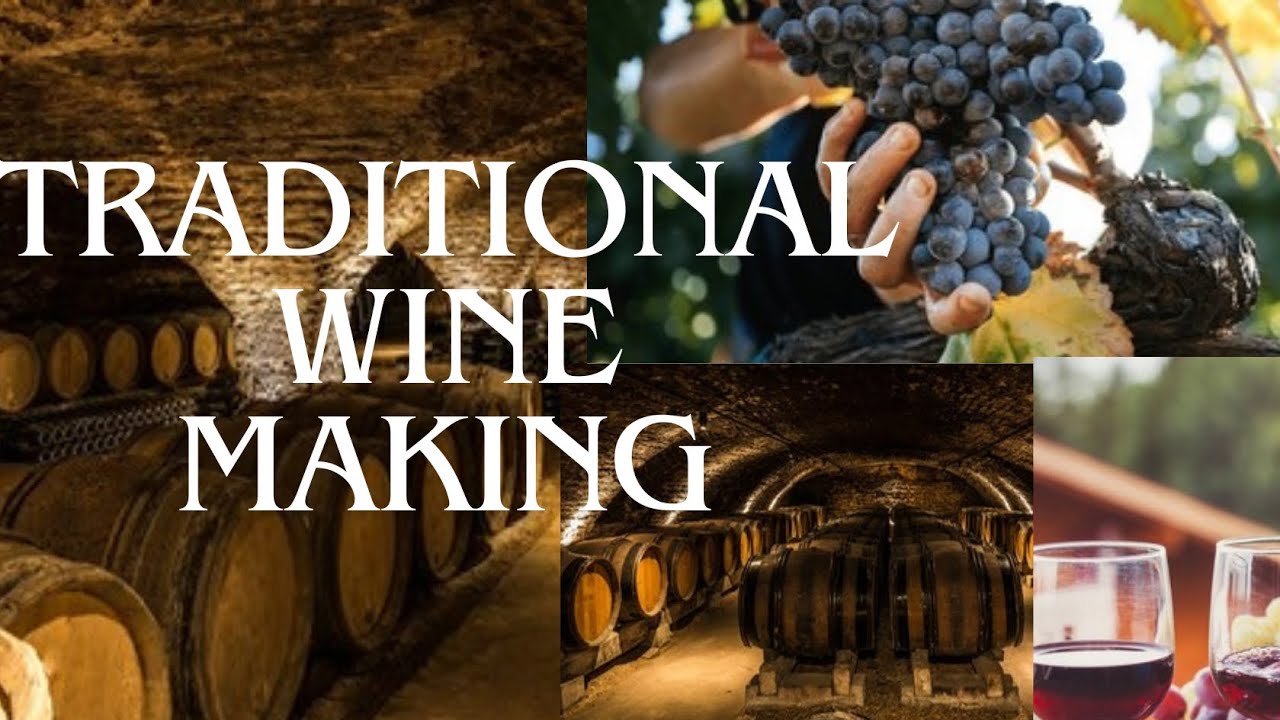
In the sun-drenched countryside of Italy, where rolling hills are blanketed with endless rows of grapevines, the art of traditional wine-making is a cherished legacy passed down through generations. From the fertile plains of Tuscany to the rugged slopes of Piedmont, every region boasts its own unique grape varieties and time-honored techniques.
The process begins during the autumn harvest, or “vendemmia,” when workers hand-pick the ripest grapes with care, often singing age-old songs of celebration. The grapes are transported in wooden crates to small, rustic wineries where stone walls and cool cellars preserve the perfect environment for the craft.
Once in the winery, the grapes are carefully sorted and crushed. Traditionally, this step was done by foot, with families gathering in large wooden vats to stomp the fruit—a joyful, communal act that connected people to the land and their craft. The grape juice, skins, and seeds—known as the “must”—are left to ferment naturally in oak barrels or terracotta amphorae, relying on wild yeasts to initiate fermentation.
As the wine ferments, the vintners tend to it daily, using skills refined over centuries. In some regions, they stir the must with wooden paddles, while in others, they meticulously skim the skins to enhance flavor and color. The wine is then aged, sometimes for years, in oak casks or stone cellars, allowing it to develop its distinct aromas and character.
The final product is a reflection of Italy’s diverse terroir—bold and earthy reds like Chianti, crisp and citrusy whites like Verdicchio, or effervescent sparklers like Prosecco. Bottled and sealed with love, every drop tells a story of heritage, passion, and the timeless beauty of Italian craftsmanship.
1 Comment
❤❤❤