
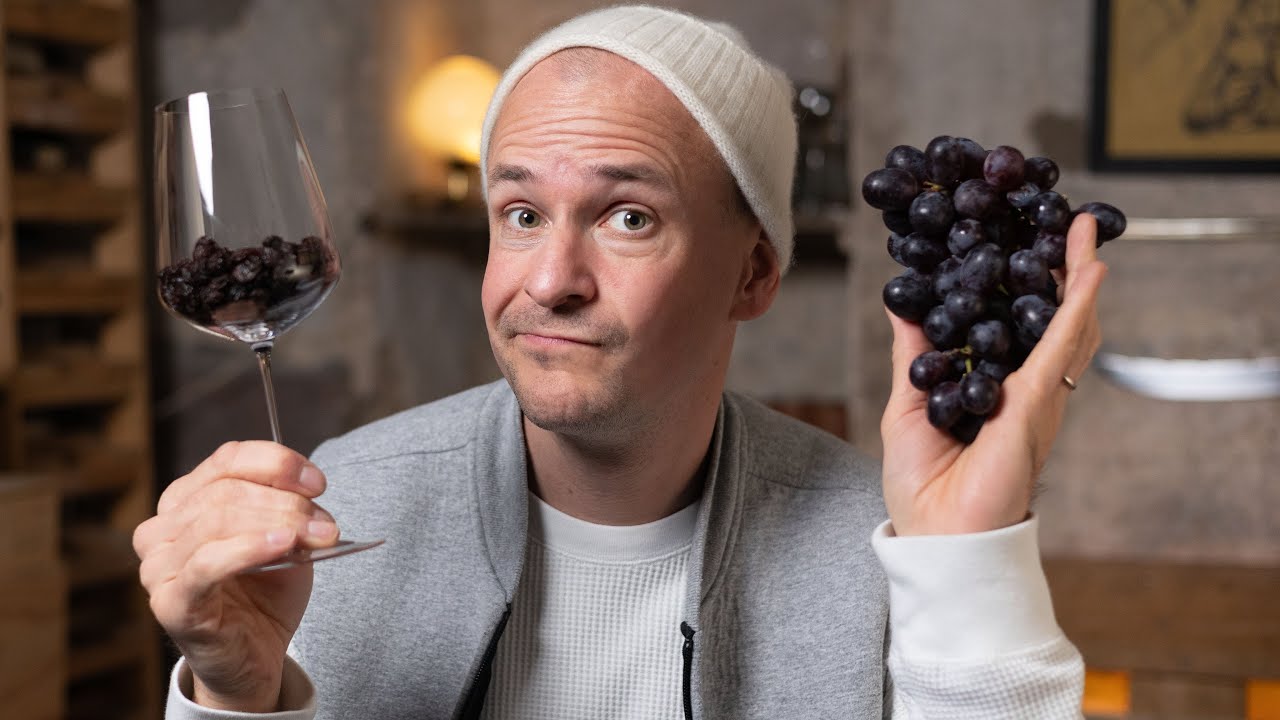
Amarone, Ripasso, Rosso – Valpolicella Wines
Support me on my PATREON: https://patreon.com/konstantinbaum
Follow me on …:
https://www.instagram.com/konstantinbaum_mw/
https://www.threads.net/@konstantinbaum_mw
@konstantinbaum_mw
Check out my website:
https://www.konstantinbaum.com/
https://baumselection.com/
I use this wine key: Forge de Laguiole Ebony
I have used this glass in this Video: Nude Glass Powerful Reds
I have tasted the following wines in this Video:
2022 Tedeschi Lucchine Valpolicella Classico, Veneto, Italy
https://www.wine-searcher.com/find/tedeschi+lichine+valpolicella+cls+veneto+italy/2022?referring_site=KSB
2019 Tedeschi Capitel San Rocco Valpolicella Ripasso Veneto Italy
https://www.wine-searcher.com/find/tedeschi+capitel+st+rocco+valpolicella+ripass+veneto+italy/2019?referring_site=KSB
2011 Tedeschi Capitel Monte Olmi Amarone della Valpolicella Classico Riserva DOCG Italy
https://www.wine-searcher.com/find/tedeschi+capitel+monte+olmi+rsrv+docg+amarone+della+valpolicella+cls+veneto+italy/2011?referring_site=KSB
2018 Allegrini ‘Giovanni Allegrini’ Recioto della Valpolicella Classico DOCG Italy
https://www.wine-searcher.com/find/allegrini+giovanni+docg+recioto+della+valpolicella+cls+veneto+italy/2018?referring_site=KSB
The 100 Point Scoring System (from www.robertparker.com):
96-100: An extraordinary wine of profound and complex character displaying all the attributes expected of a classic wine of its variety. Wines of this caliber are worth a special effort to find, purchase and consume.
90 – 95: An outstanding wine of exceptional complexity and character. In short, these are terrific wines.
80 – 89: A barely above average to very good wine displaying various degrees of finesse and flavor as well as character with no noticeable flaws.
70 – 79: An average wine with little distinction except that it is soundly made. In essence, a straightforward, innocuous wine.
60 – 69: A below-average wine containing noticeable deficiencies, such as excessive acidity and/or tannin, an absence of flavor or possibly dirty aromas or flavors.
50 – 59: A wine deemed to be unacceptable.
It is one of the most popular wine regions in the world but its wines are often misunderstood. A reason for the misunderstandings might be that the bestselling styles are fairly recent inventions. Another reason surely is, that its wines are made using a different approach in the vineyard and in the cellar. So let´s dive into the wines of Valpolicella by tasting them side by side – Rosso, Ripasso, Amarone, to Recioto. Valpolicella is located in the northeast of Italy in the Veneto region
Winemaking has a long history here and many popular wine styles like Prosecco, Soave, and Pinot Grigio are produced in the neighborhood. While the wine styles Ripasso and Amarone might be considered classics of the wine world they don’t have a long history.
Amarone production only started in the middle of the 20th century and the wine received DOC status in 1968 and DOCG status in 2010. Ripasso first became popular in the 1960s when it was developed and championed by the producer Masi and the DOC Ripasso della Valpolicella was only created in 2010. To put that into perspective: Marlborough Sauvignon Blanc has been around for roughly the same time as Ripasso della Valpolicella and Amarone was only first officially recognized 13 years before Napa Valley became an AVA.
The wine styles are however rooted in traditional winemaking: Many vineyards are planted in the historical pergola system where the grapes grow high above the ground. The process of drying grapes for the production of concentrated wine also goes back centuries and it is essential for the production of three out of 4 of the main wine styles. In autumn the fully ripe grapes are harvested for wine production. To produce Amarone or Recioto you cannot just ferment those grapes as they would yield a light red wine that doesn’t have much to do with Amarone.
Instead, those grapes are dried – nowadays usually in plastic baskets – in temperature and humidity-controlled, well-ventilated storage facilities. During the drying period, the grapes shrivel as they lose water and the acids and tannins also change – laying the groundwork for the production of a lusciously sweet – Recioto – or a rich and full-bodied dryish wine – Amarone.
it’s one of the most popular regions in
the world but its wines are often
misunderstood one reason for the
misunderstanding might be that the
bestselling styles are fairly recent
inventions another reason surely is that
they are made using a different approach
in the vineyard and in the cellar so
let’s dive into the wines of valella by
tasting them side by side Roso raso
amarona and
Roto
[Music]
and Vella is located in the northeast of
Italy in the Veno region wine making has
a long history here and many popular
wine Styles like poo soave and Pino are
made in the neighborhood while the wine
STS raso and amarona might be considered
Classics in the wine World they don’t
really have a long history amarona
production only really started at the
middle of the 20th century and the wine
received doc status in
1968 and docg status in 2010 the Paso
first became popular in the 1960s when
it was developed and championed by the
producer Mari and the doc raso de Pella
was only created in 2010 to put that
into perspective Mar sblo has been
around for roughly the same time as raso
and amarona was first officially
recognized only 13 years before Napa
Valley became an Ava the wine styles are
however rooted in traditional wine
making many Vineyards are still planted
in the historical pagola system where
the grapes grow higher above the ground
and the process of drying grapes in
order to produce rich rich and
concentrated wines has been around for
centuries and it is essential for the
production of three out of four of the
main wine Styles in Autumn The Ripe
grapes are harvested but in order to
produce an amarona orto you cannot just
process Those Grapes as they would yield
a light red wine that doesn’t have much
to do with either wine style instead
those grapes are dried nowadays usually
in plastic baskets in temperature
controlled and humidity controlled
warehouses that are well ventilated but
let’s jump into those Wines in order to
get a better understanding of the
differences and similarities we bought
the three main wine Styles Roso raso and
amarona from the same producer in order
to be really able to compare and
contrast them and I added Roto from a
different producer just to pay homage to
that historical wine style teski means
Germans in Italian and they are located
in the valua region they are farming 46
hectares of Vineyards and they have been
involved in wine making for six
Generations but they only really focused
on high quality wine at the middle of
the 20th century which is pretty common
in the Veno region where there weren’t
too many high-end wineries 100 years ago
so let’s start with the 2022 luchina
valella Roso which is sealed under a
screw cap which doesn’t happen that
often in traditional Italy so the vines
here are cultivated in the pagola system
like I already said the Great grow
fairly high above the ground in the
pulara system which makes it easier to
plant other crops below that’s not
necessarily a way of producing super
high quality grapes but it’s a
traditional way of farming Vineyards
from back in the day today they usually
don’t Farm anything below they using the
traditional grape varieties Corina is
considered to be the best grape variety
from vichella but they also have
rondinella molinara and Corona and some
other grape varieties in the mix so for
this one the grapes are harvested at the
beginning of October and they are just
crushed and fermented in stainless steel
and out comes a fairly light colored red
one so look at that that’s a pretty
typical bolella Roso kind of color it’s
really pale you can see your fingers
through it it’s 12 and a half% of
alcohol So you you’re not really
reminded of amarona when you look at
this so the wine smells of ripe cherries
really bright and clear fruit Aromas but
there is no no spiciness no Oak notes
influencing the wine it’s just really
fruit driven really clean and bright but
there’s also not too much complexity I
mean you also have some Plum characters
there but it’s really just in your face
fresh and fruit drien but I I do like
that so on the palette it’s really fresh
vibrant the acidity is actually sharp so
so there’s a real fresh finish there
there aren’t too many talents it’s it’s
a light wine in a blind tasting you
might just think this is this is a light
Pon NOA for example so it’s not a rich
and concentrated wine it’s really a
lively wine representing the north of
Italy so you got to remember that the
region is famous for light white wines
like sua pinoo and Poco and this wine
kind of shows that teroa more than maybe
an amarona does so it’s it’s a light
fresh red so I’m going to rate this 86
points I think it’s a good wine not a
super interesting wine it’s not very
complex but it’s fresh and Lively and I
think with the right meal this this is
quite beautiful but you got to remember
that this is made from this so ripe
grapes grapes that are not necessarily
the most powerful and concentrated but
grapes that can be turned into a light
and fresh wine but now let’s move on to
the next so next up we have the 2019 San
Roo Pella Paso The Vines here are
cultivated in a guo system so the grapes
are not hanging up here instead The
Vineyard look more similar to what
you’re probably used to they also using
Corina Corona rondinella and a bunch of
other autocon grape varieties the grapes
for this wine are harvested at the end
of September beginning of October and
they are then processed like just any
other red wine however from a similar
teroa similar grape varieties you get a
wine that has 14 and 1 12% of alcohol so
quite a a big difference and
let’s let’s see the color yeah as you
can see the color is not super dark but
it’s quite a bit darker than the
previous wine so what happened here the
wine was made from fresh berries but at
the beginning of the following year
after the Harvest the ma so the berries
from the amarona production that were
previously dried out are added to the
wine and the wine referment giving it
more power concentrate color Aroma all
of the good stuff so this mounts more of
dark berries like blackberries
blueberries there’s quite a lot of power
there a little bit of spice a little bit
of raisiny character obviously from the
amarona raisins and yeah it’s more
complex there’s also this lifted
character that reminds me a little bit
of vinegar just a touch of it on the
parette there’s much more power vity
tenants that do have a bit of grip quite
a lot of roundness richness and con
conentration some chocolate flavor
coming through as well so this is much
more complex much more beefed up much
more concentrated pretty pretty well
made they also aged this wine in
Slovenian Oak barrels so this obviously
also changes the texture and the flavor
of the wine but the main difference is
that you don’t just have berries just
grapes you also have raisins in here so
let’s move on to the 2011 montoi amarona
Reserva which is kind of the Pinnacle of
this lineup so far at least montoi is
the name of the vineyard and it became
one of the first single Vineyard
amarones when Lorenzo teski decided to
vinify it separately so here the
vineyard is again cultivated in the
traditional Pula system and they are
also planting the same grape varieties
as for the other onnes Kina Kona
rondinella and a bunch of other ones and
the grapes were harvested at the end of
September beginning of o CA so things
are pretty similar to the two previous
ones but what happens next is the most
important thing so the grapes are
harvested and they have to be really
careful that they’re fully intact that
the Skins aren’t broken in order to make
sure that they will survive the next few
months because they will be dried for 3
to four months in boxes in order to
reduce the amount of water in the
berries and concentrate everything else
so sugar polyphenols and acidity are
concentrated in those berries and The
Taste and texture of the ingredients
also changes so in order to understand
what drying does to those berries you
just need to taste a fresh table grape
it’s juicy watery there’s not too much
flavor there but it tastes okay and then
taste erase super concentrated lots of
sugar lots of concentration way more
flavor so that’s kind of what they’re
doing here obviously those berries don’t
look like those table grapes and the
raisins will also not look the same they
will be a little bit more juicier
because if you if you want to make wine
out of this that’s going to get really
tough so after a slow fermentation for
30 to 60 days the wine is aged in
barrels for 4 years out comes a red wine
that has 16% alcohol 16 so the previous
one was 14 and 1/2 the first one was 12
and 1/2 and this is 16 but what’s really
important is the taste so let’s give
this a w of course this is darker in
color but it’s also slightly Garnet
towards the rim at least because it’s 13
years old on the nose it’s ripe and Rich
there’s quite a lot of concentration
it’s pretty beautiful I mean this is a
powerful red wine but it has quite a lot
of Elegance and balance it smells of
amarina cherries it has this flavor of
cre de CIS there’s also a little bit of
cinnamon spice flavor going on there in
the glass it’s really complex and quite
beautiful on the palette this is
powerful and Rich the tenants are ripe
and grippy but they still kind of dry
out my mouth however the acidity is also
there you know as those grapes are not
harvested very late in order to get this
concentration but instead are harvested
fairly early and then concentrated
afterwards you actually still have quite
a lot of acidity in those berries and as
the water evaporates the acidity is also
concentrated so instead of just having
this big fat alcoholic wine you also
have like good freshness and liveliness
at the end of the palette this actually
doesn’t have a lot of residual sugar in
my opinion it has a really fresh and
Lively finish and that at 16% alcohol
the Finish is beautiful and long and
this is a wine that I wouldn’t I
wouldn’t want to drink every day because
of this power and concentration but at
the right moment this is just absolutely
Del delous and with the right meal like
stews and braced meat that just goes
really well with this so I’ll rate this
94 points I think it’s delicious
beautiful beautiful wine and it’s not at
the end of its cycle this still feels
very young I think this can age for a
couple of decades in order to like get a
little rounder a little bit more mellow
but it’s also fun to drink now so the
last wine is made in a similar fashion
to amarona this is the 2018 Joan Alini
Roto de laella Classico and this is also
made from raisin grapes but instead of
letting the wine ferment to dryness it
actually still is quite sweet even
though the alcohol is also at an
elevated level 14% in this case so this
style is actually quite historical and
has been around for a long time in the
region but it has fallen a bit out of
favor like sweet wines in general I
guess and it’s not made in really large
quantities anymore amarona is much more
popular and the prices for amarona can
be much higher than for Roto while this
is actually quite a bit more difficult
to make often times so this is still a
baby I mean these wines can also age for
quite a while so as you can see we are
back at like a dark Ruby color there’s
less garet than in the amarona because
the amarona was a little bit older and
looking at it it just looks like a like
a red wine you wouldn’t expect it to be
sweet this is really interesting I mean
it doesn’t smell like port for example
you would maybe think a strong sweet red
wine smells a bit poy this doesn’t it
smells quite intense but not as
concentrated as port wine it has those
strawberry characters together with
cherry flavors doesn’t have a lot of
spice it’s just really juicy and fresh
it also smells of mcka and a little bit
of vinegar again if you dry grapes you
often get a touch of vinegar in those
berries this can be avoided but the
right amount can be actually beneficial
so again instead of getting the super
powerful ripe flavor of very late
harvested grapes you’re actually getting
quite a lot of fresh fruit flavor of
grapes that were harvested fairly early
but then you also get the concentration
and richness that you get from drying on
the palette this is super rich and
concentrated the acidity is definitely
there so it’s also quite fresh it’s
Lively it’s juicy I mean I wouldn’t want
to drink even half half a liter of it
like this bottle is not a full-size
bottle one glass is just fine but it’s
it’s it’s a beautiful wine so yeah you
can make delicious wines from wrinkled
old raisins and this is a good example
of that I’m going to rate it 91 points
all right this was a delicious tasting
it kind of highlighted to me that I
should taste those wines more often even
though I’m definitely not going to drink
them on a very regular basis but they
can be really delicious and they are
quite special they’re just different
than most other Wines in the world so I
hope you enjoyed this video if you did
then please like it down here subscribe
to my channel if you haven’t done so
already my question of the day is what
do you think about the wines from viella
do you drink them do you like them
haven’t you tried them or have you tried
them let let me know Down Below in the
comments but whatever you do stay
thirsty
[Music]
25 Comments
I've been a fan of Tedeschi wines for a long time and love all styles of Valpolicella – that bitter cherry character is totally addictive.
Really enjoy Valpolicella wines, the Rossos especially with pizza and other Italian food with red sauce, and the sweeter ones make awesome treats just to have on their own!
A classic Valpolicella Superiore is one of the nicest wines one can drink. Enough complexity to be interesting, but drinkable and not overwhelming. Go for Zymè or Zenato.
Loved the video love valpolicella and think recciota in particular is underrated
These wines must age in order to eliminate the fruit and give more complex balance. 20 years on Amarone is magical.
At one time I had Amarone from 15 different producers.
Thank you for the wonderful explanation of Valpolicella, Ripasso, Amarone, and Recioto wines. Ever tasted the wines of Fratelli Vogadori from Negrar? Lovely family business with beautiful wines. I'm still holding on to an Amarone Forlago from 2004. Waiting for the right moment to taste with wine lovers 🙂
I love Valpolicella. I also made the great decision (thanks to my wife) of staying there during our Italian holiday to tour some wineries and taste the product. I had no idea that the popular styles were so young, however – to me, something like Amarone seemed like a stroke of genius from someone during the little ice age in Europe 😜
Thank you so much for your expertise! We can learn so much from your wealth of knowledge and I for wine appreciate it! 🙂 ( pun intended!) lol
Valpolicella are my favourite wines after German Riesling. We just had Vancouver International Wine Festival in March featuring the wines of Italy and of course there were luscious Amarones but also many fantastic Valpolicella rosso wines for unbeatable value – in multiple cases, under $20 CAD.
Really enjoyed this format – learned a lot
Does a single vineyard bottling for Amarone make sense? (Other than for the producer’s pocket, that is .. )
Great episode. I fell in love with wine when I had my first sip of amarone. If I would have a tasting of the first three wines with my friends, what food would you advise me to prepare ? 🎉
Great episode. I’ve been waiting for you to do a tasting involving amarone just so I can associate with it. Been drinking and researching amarones for 20 years and LOVE them. Haven’t had the chance to enjoy the really high end dal forno or G.Q but Valpolicella’s in general are amazing. Sergio Zenato has always been a favorite. As always great job on the tasting. Cheers!!
I love Italian wine, would like to see it featured more often in your channel. Including the more southern areas and islands, Italy is so beautiful and every region has interesting wines.
Musella amarone is my favourite wine in the whole world. Delicious stuff.
the three of them are terrible wines…. very few people in Italy drink these reds… the "passito" (raising) after taste make them unbearable to the palate, making difficult to drink even one full glass…
Only popular abroad and miles away from Piedmont or Tuscan reds… If you want reds from that area of Italy go for Friuli region wines… and for the price, you are way better off getting red wines from Sicily or Sardinia…
Italy produces some of the finest red wines ever created. It also produces some of the worst.
Valpolicella may not be the most attractive wines but I’ve grown to love it. Started out with La Giaretta Amarone Valpolicella and thought it tasted it like petroleum jelly. I eventually tried Tommasi Valpolicella Classico Superiore and was hooked. I’ve gotten back into Amarone and love it.
Konstantin personal question: to go with a nice juicy steak what would you choose between a very good Amarone and a very good Primitivo?
Your admiration to Italian food over Italian wine won at 1:42. Thank you for the video Konstantin.
I drank the 2016 Monte Olmi a couple of month ago. It had 17% percent of Alkohol. Absurd! But it didn’t taste that way. It was really good. I just think I drank it a bit to early 😅
Bertani Ripasso – frankly delicious and from one of the best producers. Love it!
Oida, bis jetzt dacht ich ja dieses Master of Wine Ding ist ein Hoax, aber hab drei Weine von dir bestellt und grad den Arco probiert und ich bin geflashed, hätte nicht gedacht, dass du wirklich eine so gute Weintrüffelsau bist. 😉
Konstantin got the Rizz Otto