
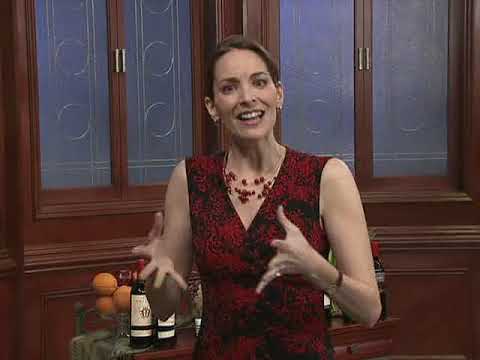
Welcome to Italy, home to over 1,000 grape varieties. You sample a Barolo and Amarone (two pillars of Italian wine), a Pinot Grigio (the quintessential crowd-pleasing white wine), and other northern Italian wines.
Ciao welcome to Italy we’ve covered classic Noble great varieties and the classic regions of France now we venture into Italy one of the most exciting and complex countries for wine I say complex because of the sheer number of volume of different types of grapes regions and wines there’s an estimated 1,000
Different types of vus benifer varieties cultivated in Italy and it has over 300 different quality regions to make it more confusing uh one great variety may be called one thing in one region and may be called something entirely different in another region and wines vary in their style from tradition to to
Modern with absolutely no indication on the bottle what’s worse is that the rules for wine making change by region and and some producers totally disregard the regulations so despite all this Italy makes some of the world’s highest quality wines for all their chaos the Italians have captured our imaginations
And particularly when it comes to Wine food and romance and we can’t help it we we love them Italy has a long and Rich history with wine making Greek settlers may have established Vineyard as early as 800 BC in central Italy ancient atrans were known to produce and trade their own
Wine the Romans spread viticulture in their conquests and and traded wine commercially however it’s only in the last 40 to 50 years that Italy has been rediscovered and recognized internationally as a highquality wine producer Italy is divided into 20 administrative regions we’ll highlight some of the main regions for quality
Wines and the ones we see most often exported to Major markets there are four main pillars of great Italian wine they are bolo and amaron which we’ll cover in this lecture and brunella de mcino and super tuskin wines which we’ll cover in lecture 14 there are wines that can
Compete with classic wines of France you’ll need the following wines for today’s lecture you’ll need a Baro a baresco or long neolo you’ll need a barati or Bara dala a white wine from Pon um so gavi or Ares a pinio preferably from fi or Alto a
Suave and an amaron now you may notice that we have wines we’re tasting a really big red wine first and then we’re going to white wines you don’t normally do that when it when R taste for professionals we always go from dry to Sweet light bodied to full-bodied less
Tannin to more tannin the reason why we’re tasting them this way today is because different regions have different focuses for wines and I want to make sure that you get the highest priority wines first now remember the French label van in Italy the comparable label is vino
Databa a wine labeled Veno daava can have a blend of grapes from anywhere in Italy however these are technically not allowed to show vintage variety or name of the estate on the label in 1963 Italy created its own classification system for labeling quality wines the First Quality level
Created was called denom the origin control or doc today there are more than 300 wines that have this designation an even higher quality designation is called denom the orol or dog only 35 wins are allowed this label and we’ll cover a few of these in the next two lectures the last word GTA
Means exactly what it sounds like these wies go through tasting control boards that guarantee the quality and authenticity of the wine remember the app or AC of France in Italy the doc controls the geographical limits of the region the types and percentages of grapes and and uh the yields and the alcohol
Content however one big difference between France’s AC and Italy’s Doc is their aging requirements for Doc not so for AC so this is something that we will see also with Spain in lecture 16 in 1992 a new classification was created to bridge the gap between the low vava and do it was called
IND geograph or IGT these are wines made within the 20 specified regions and unlike Vino daava these actually can show vintage variety and the name of the state on the label now let’s visit one of the regions in Northern Italy pedmont or Pon I think it’s quite logical to
Start here as these wines like the classic French wines are very terroir driven pedmont translates to the foot of the mountains pretty logical since the Alps are north and west of the region the most important region for quality wine production in pedmont is around the 45th parallel which is about the same
Latitude as Bordeaux but unlike bordeau with its Maritime influence however the the climate of pedmont is continental and that means with with hot summers and very cold Winters the best soils have a high percentage of calcarius matter as we saw in France uh the Topography is also really quite
Varied it it creates these little pockets and Tiny microclimates perfect for wine makers to focus on Terre driven wines pedmont was once part of the Sawa Kingdom a region that at a point in history included burgundy this eventually gave pedmont a glimpse into French vulture and a head start on
Developing quality viticulture and wine making in fact the dialect of Italian spoken in pedmont today sounds more more French than it does Italian south of piedmont’s local capital of Turin is the area of piedmont’s highest quality wines bolo and barbaresco these wines are made from a great variety called nepo which gets
Its name from the Italian word for fog nepia uh that’s there it’s actually as thick as pea soup it’s actually terrifying to drive in I can tell you now in in the north nebiolo can be called spana however its characteristics are exactly the same before we begin I really should mention that if
You haven’t already you should be writing down your tasting notes what are tasy notes these are simply your records of how you like the wine and and what you notice about the wine but don’t feel intimidated and think oh I I have to know exactly what to write write down
Anything I mean that’s how I started and I can it absolutely can reveal specific benchmarks for you as it did for me now you might write down what you think um are the characteristics of the wine right alongside with what they’re supposed to be so you can compare the
Wine Maker’s opinion with what you’ve got and it’s really important as I said this in the second lecture to start creating your own vocabulary uh so of what you smell and taste the only way you’re going to remember what you thought of any of these wines how it looked smelled tasted
To you is by writing it down and keeping it somewhere for you to compare your notes to there’s there’s a sample tasting sheet for you in the back of your guide book you can use this one um or make your own to get started so as you go
Through the Demos in this lecture try taking notes now let’s take a look at the color of the I have a bolo here but you may have a baresco notice the color here we have the the nebiolo B and it’s actually quite pale you can see your fingers
Through it and this is quite surprising giving the the intense 10 and of this wine which we’ll taste in a minute but it’s got less anthocyanins or color pigmentation in its skin which is gives it that more pale color now when you have wines that like this that are made
In the more traditional style meaning they’re age for quite a longer period of time um they’re much paler in color as opposed to the more modern ones that have more new French oak or new Oak in general they’re going to be deeper in color because that new Oak fixes the
Color you’ll hear me reference traditional style and modern style throughout these two lectures these lectures will help you distinguish the two Styles and distur your preference for one over the other again that’s how your tasting notes are going to come in handy now let’s do our chest chin nose
Test for aromatic intensity can you smell it here uh I actually can a little bit put it up to your chin wow it’s actually really quite aromatic and nebiolo is nebiolo is a very aromatic great variety but unlike what you see for Cabernet or Mero or even P Noir
There’s very different Aromas that you get here um let’s well let’s smell it and see if you get it well you do get strawberry and cherry fruit but there’s also tea leaves and rose petals that’s what it’s known for that’s what nebbiolo is known for and
They can be quite perfumed but you also get a strong amount of of minerals in this and that again that points us to the old world that it’s made in Europe because you got that strong minerality what you’re smelling will be affected by the producer and the age of the wine if
You have an international producer such as chetto or Pao scavino uh you’ll probably smell more of the more obvious notes of of Oak which is our vanilla and toast especially this will be true for a new French oak on the other hand if you have a more traditional style producer
Such as jao conterno or prunotto who ages for longer periods of time in old large slavonian Oak casks uh you’ll be getting some beautiful spice Aromas something more along the lines of maybe like a brown spice like cinnamon and some producers blend these methods of of French Oak and slavonian Oak to get
Something in between kind of like Viti then let’s taste it wow that is an intense amount of tannin feel the saliva just drain from your tongue it’s got an intense amount of tannin so it’s huge amount of drying sensation but also notice the sides of your tongue where we taste acidity
Notice that it’s got a really high level of acidity there as well and this High tannin and high acidity is why that bolo and baresco can age for decades and this might surprise you because you might equate really deep color with things that can age for a long time but as we
Had seen before it’s a bit pale so it might not match the docg region of Baro is known for having the most gripping structure which we call masculine structure and its sister region of baresco also a docg tends to be a bit more perfumed and softer in its tannin and more feminine in
Comparison these WIS need time and it’s not a joke when they say that they can age for 30 years or more as they age they gain in complexity they add layers of of spice tones and and get softer and more perfumed remember we mentioned that the wines of pedmont are more focused on
Terar than wines from other regions of Italy this is why you’ll see a specific Vineyard name along with bolo or baresco on the label just as in France these designations are called specific Vineyard Cruise here we have an example by Vietti from the lazarito vineyard The Vineyard
Crew in calunga the vineyard is actually shaped like an Amphitheater and the wines are known to be quite long lived and spicy you might compare this to the RO Vineyard in castellon feto another Vineyard crew which is known for having one of the firmest and most masculine
Structures when it comes to tannins of of any Vineyard crew you may also see the vineyard crew of kenui which is the largest bolo crew and yelds quite floral and and tanic wines but not as tanic as Ro now you see why these wines have a connection to burgundy in Italy we only
See Vineyard Crews treated with such Universal respect here in pedmont there’s another red grape Variety in pedmont called Barbara years ago Barbara was only known as a simple uned easy drinking red uh while you still see some uned examples today you often see some higher quality producers
Doing some more with Barbara now here we have a a Barbara also from vitin just to keep it consistent let’s compare the color you’ll notice right away that the Barbara is much deeper in color than the nebiolo now let’s smell it I don’t really smell it too much at the
Chest at the chin you do you smell it a little bit but then you stick your nose in the glass Barbara is known for a very Cherry kind of Aroma with with strong minerals as well again pointing us to the old world and this one has some some French
Oak on it so I get a little bit of vanilla and toast in it but if it had slavonian Oak an older slavonian Oak um you wouldn’t get those vanilla and toast kind of characteristics so let’s taste it all right tasting that right after the nebiolo the bolo or baresco it’s
Going to seem much sof to you now Baba is a very high acid grape variety just like nebiolo but you don’t have the tannins there the tannin is much much softer the I mean these the fruit the cherry fruit the softness of the tannins makes Barbara very very easy drinking
Wine and that high acidity makes it very very food friendly this is a perfect wine to have with more casual kind of dinners like a pizza or or hamburgers even and they’re really very moderately priced so it’s it’s fantastic on the wallet now on the bottle you’ll see that it
Saysa and Baba is the name of the grape and d and then the region ATI and you’ll see this on a lot of uh Italian labels and that can help you out somewhat but it’s not Universal as we’ve seen bolo it doesn’t say Nebo so but you can see this
Like basti Baba dalba Brun deino but now let’s go to the white from pedmont we already know of one a sparkling wine called muscato dasti that we talked about in lecture 7 the Wine’s made from muscato grapes and comes from the region of ATI notice the name again
That follows the rule that we just talked about now let’s move on to some still white wines Corte Corte is the name of a white grape that you’ll find uh in the docg region of Gab this area has some some Limestone Rich soils on the hillsides which makes for white wine
Great for white wines and because of that acidity now let’s take a look at the color actually you may want to take it in comparison to the pinio notice how pale it is it’s very very pale in color and it actually has a little bit of a green Hue to it in
Comparison to let’s say the pinio or even the Suave if you compare it to that now these are generally uned uh wines but you do see some Barrel fermented examples let’s SM smell this smells very citrusy very very Tangy and also you got a lot of mineral there
As well some people actually have said that this smells like lime cordel I of course it’s not sweet it’s completely dry but it kind of is reminiscent of that so let’s let’s taste it it’s extremely fresh very delicate very crisp very clean um but you notice the acidity
Right there and that’s going to be great with some some delicate Seafood another white wine in Ponte is Aras now traditionally this grape was used to to soften nebo’s tanic structure but it’s made into its own wine now in the docg region of rero it has some
Beautiful floral perfume but the wine is is not very aromatic I mean most Italian white wines are more subtle in their Aromas which is a benchmark note um uh for me of almonds and this is the case with arnas now let’s go to Northeastern Italy for another more popular white gra ever
Hear of pinio of course you have it’s the number one white wine imported into the United States pinio is the Italian name for the French great variety we spoke about penree we touched on this in lecture 11 pinoe and pinio are exactly the same grape just like we have with shz and and
SAR now let’s take a look at our pinio and looking at the color it has a little bit of a a a pink tinge to it and you’ll remember when we talked about it in in alas it’s uh it actually the grap variety itself is pink so uh it’s not
Surprised to see that in there in comparison to let’s say the cortei now let’s smell this not very aromatic H in alas we saw penree as like a moderately uh aromatic variety to a very aromatic gra variety but in Italy we don’t see that too much um the yields
Meaning the amount of grapes you get from a particular Vine are much higher in Italy than you get in in Alas and sometimes that can bring down some of the intensity of the Aromas however some of the style of the Aromas is going to be very similar you do get some of that
Stone fruit some of that spicy character um that you get from P or Pia now it’s the number white number one white wine sold in the US why do we love pinio so much I’ll tell you let’s taste it and and uh we’ll find out it’s medium alcohol it’s medium
Fruit it’s medium acid it’s medium embodied it’s medium everything now if you look at the bell curve of humanity if you go towards the middle you’re going towards the most crowd-pleasing wine and that’s what it is pinoo is the quintessential crowd-pleasing white wine now the best pinio comes from the
Region of fuli which borders Austria and Slovenia in northeastern Italy the culture here as you might expect is a bit more Germanic uh The Grapes benefit from the air flows from the out as well as from the Adriatic Sea another high quality region of pinio is trentino Alto which are two separate
Regions but they also border on Austria and Switzerland this region used to be part of the austro Hungarian Empire and still shows Germanic influences so it’s not surprising that you will also see reing and GTS tror here uh which are very but they’re just like pinio they’re much
More delicate versions of their German or French cousins now here I have a Mero from trentino let’s take a look at that we had taken a look at Mero in a couple of different lectures notice the color for Mero which is a thick skin grape variety this is
Actually really quite pale this gives us an indication that it comes from a cool climate and in trantino is very cool now let’s smell it it still has those Mero characteristics of of of Plum and even um even light blueberry but it’s much much lighter it it smells lighter let’s taste
It now you guys remember from the right Bank of Bordeaux you were tasting some really rich chocy merlos they’re really full-bodied if you remember your notes and you look back at your notes compare that to what you’re tasting right now this is one end of the spectrum for Mero
It’s light bodied it’s it’s very it’s very fruity it’s light bed but it’s a higher level of acidity and it’s much more delicate but that same varietal character comes through which again makes Mero a noble great variety now let’s go to one of my favorite regions the Veno why do I love
It the region of Veno has the city of Venice in it and whenever I’m tasting wines from this region I imagine the Majestic buildings and um over the water the gondolas the Patza San Marco and of course Carnaval and those gorgeous Venetian masks Veno produces more DC
Wine than any other region in Italy as well as the second bestselling wine in Italy called Suave the country’s number one wine you might guess is kianti which we’ll cover in our next lecture the region of suave is a couple hours Drive West of Venice next to the region of valella which is
Known for its red wines if you have a Suave compare the color to theave you’ll notice that the Suave is a is deeper in color it has more gold Flex in it and when I was first learning about uh the great variety that makes up Suave which is called Gaga someone had
Said to me it’s very much like charday and that’s always helped me to kind of remember oh do I like Suave or do I not like Suave cuz I act I’m a a big charday fan so let’s look at the Aromas well like charday it seems in its
Intensity of its Aromas it’s not as aromatic so that’s that’s a good clue and when you smell the wine you do get some of the citrusy and maybe even a hint of um of some of those uh apples but you also get more of an almondy kind of character an almond
Note now you want to smell this in comparison to the pinio when you do that you’ll realize how floral and how more nectarine and stone fruit that the Peno gracio is now let’s taste it if you taste it in comparison to the pinio or the gab you’re going to realize
I how much Fuller in body it is um and that’s very very typical again we’re going towards the Fuller bodied end of the spectrum for a white great variety which again which is where where charday is but it’s not as rich as Sometimes some chardes can get now the region of
Vichella to the west of suave is known for its doc red wines Blended from three different greate varieties called Corvina rondinella and molinara Corvina is high price for its structure and its aromatics of sour cherry a hints of herbs while rinella does exactly what it sounds like it does it rounds out the
Character the body and molinara is added generally in small quantities to to boost acidity the basic red wine of valella is made just like most red wines however there’s a style made here that has placed the region on the international scene for high quality it’s called
Amaron amaron Del valella but we call it just amaron for short for many years it was labeled doc but in December of 2009 it was granted docg status and it’s about time amaron is made from dried Grapes of the Corvina the rondinella and the molinara these grapes are picked and
Then laid out to dry for several months on bamboo mats in a process called aasim Mento well why bamboo the reason is when you cut open bamboo it forms the semicircle and if you put grapes on it and they happen to burst and some of the juice comes out the
Grapes aren’t sitting in the juice um it just drains off this prevents some microbial activity that could really cause some faulty Aromas in the wine the traditional style producers um dry the grapes in Lofts while the more modern style producers such as MSI use a system called natural aasim Mento super
Assisted program which they love calling NASA now remember from when we spoke of drying grapes in lecture 9 the water evaporates leaving a concentrated the concentrated sugars inside the grape it’s like um it’s like making a reduction sauce in cooking once the grapes are dried to the right level
They’re pressed uh fermented dry and matured in Oak barrels now some producers include a portion of the Corvina grapes that have developed petritis this is the fungus called Noble Rod which we mentioned in lecture 9 the betrus adds a stone fruit and honey character to to the Corvina grapes and
This adds much more layers of complexity now let’s look at the color of the amaron versus the color of the neolo of our bolo here you’ll notice it’s much deeper much much deeper in color you can barely see your fingers through it if at all now let’s
See it’s not as aromatic as the nebula but one of the great great benchmarks for emeron is chocolate covered cherries now also the type of fruit that you get here is smells like more dried fruit and that’s where a reason is because it’s made from dried grapes now let’s taste it it’s very
Dense and it’s very it’s got a very kind of chocolatey kind of texture if you’ve ever put dark chocolate in your mouth and you let it sit there and you roll your tongue around it’s very very much feels that way but it’s completely completely dry now there’s also a style
There called Roto um that people often get confused between amaron and Roto amaron is fermented complete to dryness while Roto is stopped somewhere before it’s complete so you get that little bit of residual sugar and it’s more of a dessert wine now amaron has has Rich
Dense uh tan tannin and it gives you that bitterness in your back palette and the name amaron derives from the word for bitter in Italian which is Amaro now um it gets to as you age it gets softer and it definitely more plush and more modern styles are are less
Bitter um but also notice on your back palet that that warmth that you get there look on the bottle uh look on the label and find the alcohol level it’s probably close to about 16% if not more and because remember when we dry the sugar it turns into higher levels of
Alcohol after ferment fermentation is complete and even though it’s high in alcohol for most wines the richness and concentration of the fruit balances with the dense tannins and and the warm alcohol balances everything all beautifully I mean I love amaron for its many layers of flavors as it ages it GS
Such complexity there’s even a stage called um the lavender stage that am amaron goes through uh which makes the amaron smell of lavender now the best food the best food and wine pairing I’ve ever had is with amaron it was an amaron paired actually this samaron paired with
A parmesano regano uh the cheese and chunks of it and it had honey drizzled all over it it seemed to touch every single taste bud it was absolutely Heavenly you should try it one last style you may see that’s almost a cross between basic valella and amaron is raso traditionally what would
Happen is that a wine maker would want to beef up uh his valella so he would just take the skins from the amaron tank and throw them into the valella tank for a while as the amaron alcohol is about 16% um we know that alcohol is an
Extracting agent so these skins have a lot more Tannon and color um which they add to the valella this is done um by still some traditional style producers such as bertani however producers like masi use fresh dried grapes instead instead of using those amarel skins because they
Say that when you use old amaroni skins it adds a bitterness to the wine kind of like um using a tead more than once these raso styled wines taste fresh like the vichella but but richer and deeper so they’re kind of like a a baby amaron and they can be incredible values
I offered this wine to my family at Thanksgiving and they couldn’t get enough of it now here we are at the end of of lecture 13 and it’s time for another mystery quiz because now you’ve covered all the basics plus a few regions so see if you can identify
These two wines based on my description or at least start eliminating what it can’t be now here we have mystery wine number one let’s take a look at the color it’s straw yellow with um Flex of gold in it so is this from a cool climate does this have any Oak in it
Maybe now let’s look at the aromatic intensity don’t smell it here not don’t really smell it here either I have to stick my nose in the glass and so if I have to stick my nose in the glass what does that tell you is it an aromatic great variety or something
Else yeah well it’s not a intensely aromatic so we can rule out aromatic great varieties such as gtt’s Jer reasing or soel Blanc now what type of Aromas I get I get apple Aromas but I also get minerals as well which could lead us to
The old world I also get a little bit of butter and I also get some vanilla toast and spice what do you think that tells us that it could be oaked let’s taste it this is a full-bodied white wine it’s high acidity but it’s very well balance
It’s got a medium level of alcohol but it’s got a very creamy texture seamless balance and a very very very long finish so if it’s got all of that what quality level do you think it is is it low quality medium quality or high quality it’s high quality it’s
Definitely above $25 for sure so what do you think it is we’ve got a non-aromatic grape variety from the old world that sees some Oak H you think it’s a Chardonnay could be what we have here is a Mero well done so let’s try another remember this is just practice and it’s
A fun way to learn so you might try this some night with a few friends okay mystery wine number two let’s take a look at the color oh this is very Inky purple actually so what do you think that means is it a thin skin grape variety or a thick skin grape
Variety yeah so it being a thick skinned grape variety you’re probably going to have to rule out thinner skinned grape varieties like P Noir or or barara so what could this be oh it could be cab it could be Mero it could be um SRA let’s smell it
I get some black currant some some ciss kind of notes and and a bit of licorice so it could be Cabernet sool um and I get some toast here as well yeah a little bit of vanilla and toast let’s taste it okay it’s sweet so we can actually rule out
What we’ve tasted with Cabernet SEL Mero s it’s very full-bodied got well balanced acidity very very firm firm grip this strong tannin and a very long finish but also weight very high level of alcohol so it’s not a normal level of alcohol it’s actually much higher so
What do you think it’s probably been fortified so what gives us a thick skinned opacity some toast notes um and sweetness happens to be a port and a vintage port at that so you see we’re more than halfway through this course and you’ve begun to be able to
Smell and taste of wine to determine if it’s a a thin skin grape variety or a thick skin grape variety if it’s a noble grape if it’s a a special style such as a fortified wine so great job in our next lecture we’ll go to Central and
Southern Italy Kean is the most popular wine in Italy and the most popular Italian red wine in the world Kean Classico was one of my first favorite transporting wines as I mentioned earlier in an earlier lecture when I drink it I feel like um I’m at a villa
Under the tuskin Sun and feeling the the tuskin sun on my face and I can smell the oregano and the in the basil in the air and let me tell you nothing goes better with tomato sauce than the wines from Tuscany we Americans love Italian food and the lines from the next lecture
Will be great to go to go to um when you’re at a dining at an Italian restaurant you’re going to need a Kean I prefer a Kean Classico but here we have a Kean Kean classo Oran Reserva those are some options here a super Tuscan this is sasaya a super Tuscan one and
Then a white from from Southern Italy or Central Italy such as either GRE we have listi fenina and we even have a chard here as well as long as it comes from this area it’s okay then we go to have an Alano you know or toosi primo and
Anoa I leave you with an ancient Latin proverb It is Well to remember that there are five reasons for drinking the arrival of a friend one present or future thirst the Excellence of the wine and any other reason so salute and