
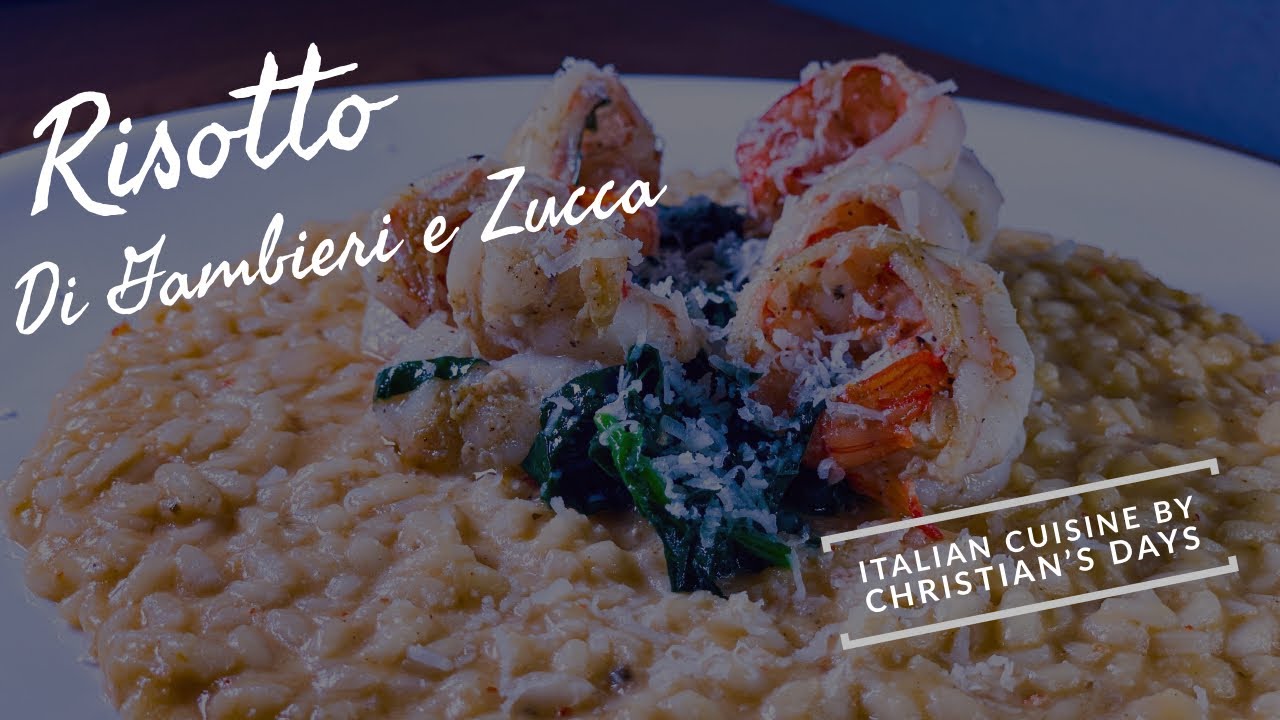
Risotto cookery has long been a hot topic of debate around these parts. “Stirring is for suckers; it’s so tedious!” “Rinse the starch off!” “Use a pressure cooker!” “Italian grandmothers are full of it!” It’s Marriage Story meme gold. I’m not interested in stirring up more controversy over the best way to cook risotto, I just really enjoy stirring rice.
One of risotto’s best qualities is that it’s a blank canvas for flavor; how you choose to paint it is a matter of preference. This recipe uses a more classic cooking approach than the innovative methods used in other risotto recipes o and it produces a shrimp risotto brimming with deep seafood flavor.
The most important part of making a good shrimp stock is using the right shrimp for the job: head-on shrimp. The shells and heads are rich in glutamates and nucleotides that contribute savory aromas, along with sugars and proteins that contribute to Maillard browning when subjected to heat. Long story short: shells and heads equal flavor. Some of these flavor compounds are nonvolatile, meaning that they don’t dissipate during cooking, but the primary compounds responsible for shrimpy flavor are very volatile, which means that they evaporate during cooking. What does that mean for making shrimp stock? Just that it’s a very quick process. After cooking the shells and heads in olive oil (some of the aromas we’re after are fat-soluble, and the oil coaxes them out and then traps them) along with aromatics and umami-rich tomato paste, I add water and simmer the stock for just ten minutes before straining out the solids. The most intensely flavored shrimp stock is a quick-cooked one.
#italianfood #risotto #seafood