
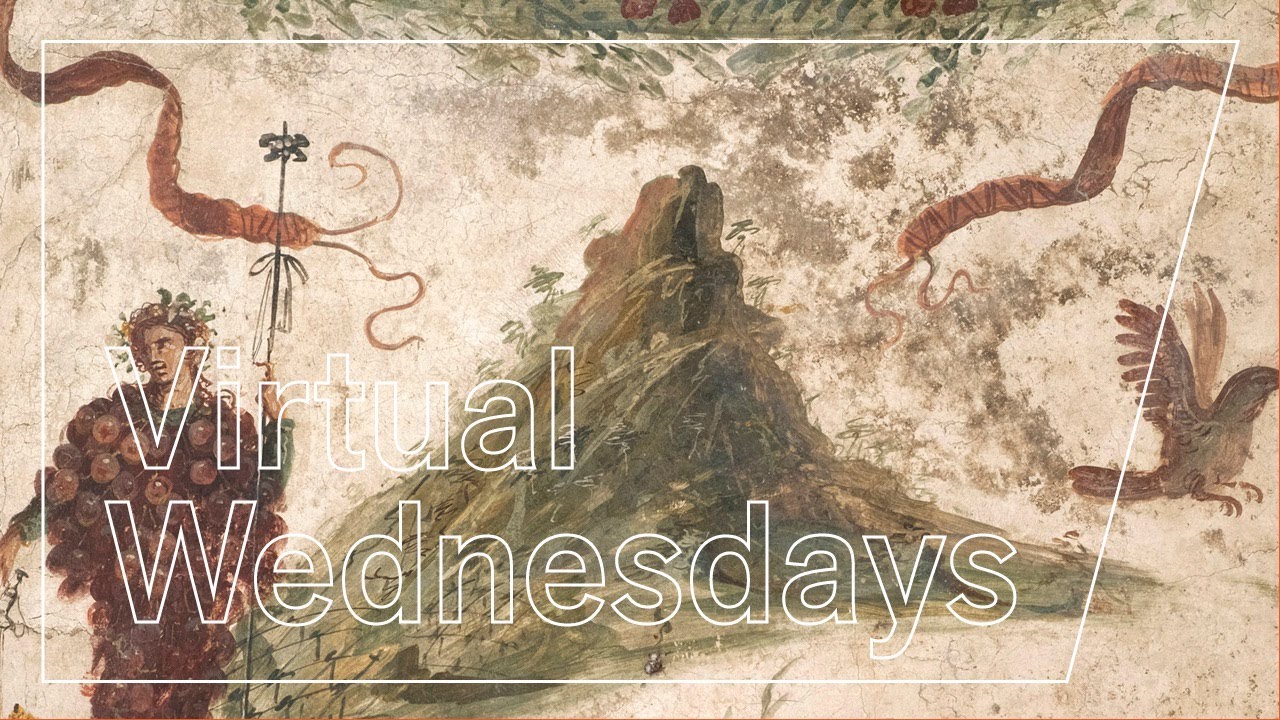
From the Ancient Near East to Etruria, Rome and the vineyards of Pompeii, this second half of the presentation by Professor Giovanni Di Pasquale takes us on a journey of production, transport, adulteration, and consumption of wine in Pompeii. Presentation will be followed by a Q+A with exhibition curator, Renee Dreyfus.
This program is in support of our exhibition, “Last Supper in Pompeii: From the Table to the Grave”, and in partnership with the Consulate General of Italy in San Francisco.
Watch the first part of this presentation here:
About the Speaker:
Giovanni Di Pasquale graduated in Classics at the University of Florence with the grade of 110/110 cum laude and, since 1993, he has been conducting studies and research at the Galileo Museum. Institute and Museum for the History of Science in Florence. His research focuses on the history of science and techniques between Antiquity and the Middle Ages. He is the editor of the journal “Automata. Journal of Nature, Science and Techniques in Antiquity”, the unique publication focusing exclusively on the history of science and techniques in the Classical and Medieval World published by l’erma di Bretschneider (Rome). He has held many conferences in Italy and abroad (Oxford, Paris, Berlin, Houston) and is the author of over 70 publications including monographs, edited books and articles in scientific journals. In 2021 he was shortlisted at the international selection for the role of Director of Pompeii Archaeological Park.
About the Exhibition:
In AD 79, the Bay of Naples was rocked by the fiery eruption of Mount Vesuvius. Pompeii and nearby villages and farms were completely buried under pumice and hot ash, which killed thousands in the midst of their daily activities. Plaster casts of these bodies are a dramatic reminder of this disaster but, like a fly caught in amber, what was preserved gives us a picture of what life was like in a thriving Roman city. The exhibition brings us back into this world by focusing on everyday life and especially on food and drink. Along with the pots, pans, and other paraphernalia in the distribution, preparing, and serving food, this exhibition includes glorious works of art, which reveal the splendor and luxury loved by the wealthy Romans who called Pompeii their home.
Subscribe to our channel:
Don’t miss our upcoming programs! Sign up for our newsletter:
For more Virtual Wednesdays content, explore the playlist here: