
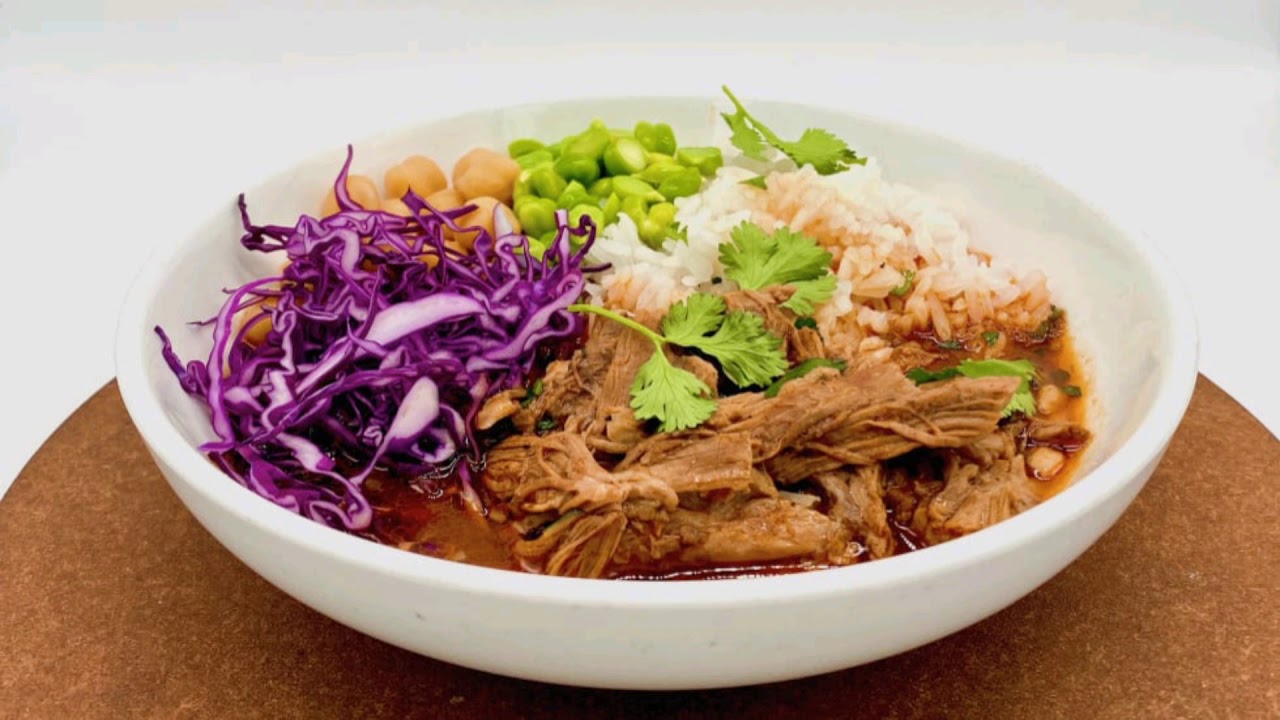
The coronavirus pandemic has turned the United States’ fine dining landscape into the Wild West. Many restaurants closed their doors while others look for alternative ways to keep serving food.
As Michelin-starred restaurants wade into the world of takeout and delivery, fine dining looks a lot different nowadays.
Many have put their plating tweezers down and moved molecular gastronomy techniques to the back burner in favor of comforting, soul-nourishing meals.
Canlis in Seattle, one of the first US cities to be seriously hit by the virus, started brainstorming new models of business in the beginning of March. Upon closing the dining room, it opened in quick succession a drive-thru burger operation, a bagel shed and their pre-made meals for delivery and takeaway.
The first two ideas proved to be popular — too popular, in fact, causing traffic problems in the neighborhood — so it ceased operations on the burgers and bagels and refocused solely on meal kits.
Called Family Meal, the four-course dinners, which can be ordered on reservation system Tock, serve two to four people and are priced anywhere from $46 to $95 a head.
Menus change daily and feature dishes such as meatballs, rabbit pot pie and a crab boil.
“It doesn’t make sense for us to do our more meticulous, manicured, fine dining food,” says third generation co-owner Mark Canlis.
“That’s not what Seattle needs right now — and you can’t package that up and put it in a box anyway.”
However, he still stresses the food is fine dining, just reimagined. “We’re taking our dry-aged steaks and grinding them down into meatball marinara sauce.
The ducks we used to do tableside are now used in a duck cassoulet,” he explains.
As any restaurateur knows, food is only part of the equation. Ambiance counts toward the overall experience as well. Every evening, Canlis live-streams piano — an iconic part of the dining room — so guests can recreate the Canlis vibe in their homes.
For Chicago gastronomes, no announcement was more enticing than The Alinea Group’s pivot to takeout. The group counts award-winning Alinea, Next and Roister restaurants, as well as cocktail den The Aviary, under its umbrella.
When co-owner Nick Kokonas starting seeing reservations at restaurants across the country plummet in the coronavirus wake, he knew action was needed.
Citing Canlis as inspiration — “they do a lot of creative things like we do,” says Kokonas — they prepared to “get rid of our restaurant as we used to know it, as a modernist cuisine temple, and figure out how to serve [hundreds of] meals a night as carry out,” he says.
(Hundreds is an understatement. Alinea produces 1,250 dinners per day, suggesting the appetite for high-quality takeout is high in Chicago.)
Each restaurant in The Alinea Group now offers a single dish, which changes frequently. “One of the things that’s really important is to do one thing really well.”
“Instead of offering a giant carry out menu of 80 items, it’s much better to come up with something very, very awesome, precise and simple to execute.”
This scalable approach translates into the $39.95-a-head coq a vin from Alinea, a $24.95-per-person lasagna from Roister or $65 mimosas and ready-to-bake pastries from The Aviary.
Kokonas is keen on takeout not only because it keeps workers employed, but it potentially prevents food scarcity in the city. Between grocery stores and restaurants, “you’ve spread out your food distribution into many, many nodes. More points of opportunity means less chance of failure,” he explains.
Not all chefs feel the need to completely throw out their playbook.
At two-Michelin-starred Acadia in Chicago’s South Loop, chef-owner Ryan McCaskey offers á la carte items culled from the restaurant’s bar menu and from his seasonal Maine restaurant, Acadia House Provisions, rather than try to retrofit Acadia’s tasting menu bites into a delivery format.
As he gains solid footing under him, he’s introducing composed dishes, such as the fan-favorite deconstructed lobster pot pie that appeared on Acadia’s opening menu, into the takeaway repertoire.
A new kind of soul food
It’s often been said chefs cook from the heart, but just because the food is now in a bowl or box doesn’t mean they can’t still tell their story.
Fabián Von Hauske, co-owner of tasting-menu restaurant Contra and natural wine bar Wildair in Manhattan, relaunched with a completely new model that combines the energy and cuisine of both places, right down to the name of the single-serving bowl: Contrair.
“We wanted to do something that we haven’t done before because this is a new thing for everyone; we just need to approach it like that,” he says.
The bowls, such as a spicy lamb stew or crab congee, meld Von Hauske’s Mexican and his co-owner Jeremiah Stone’s Chinese heritages. “It’s food we really enjoy eating and food that really means something to us,” Von Hauske explains.