
A short description of Messinian Culture & Heritage.
An authentic way of living described in two words : “Mediterranean Diet”
No have to do only with the “Med Cuisine”, what the majority of people believe, but a WAY OF LIFE transmitted from generation to generation!
Mediterranean diet
================
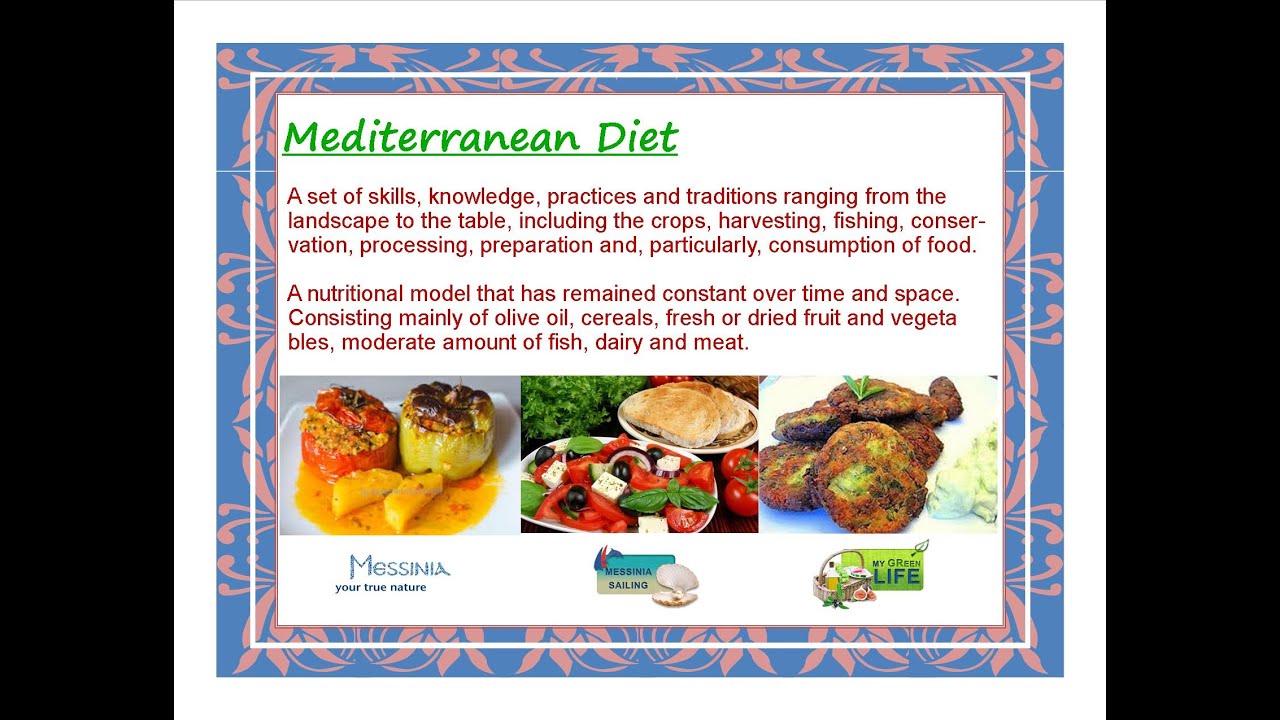
The Mediterranean diet constitutes a set of skills, knowledge, practices and traditions ranging from the landscape to the table, including the crops, harvesting, fishing, conservation, processing, preparation and, particularly, consumption of food.
Our diet is characterized by a nutritional model that has remained constant over time and space, consisting mainly of olive oil, cereals, fresh or dried fruit and vegetables, a moderate amount of fish, dairy and meat, and many condiments and spices, all accompanied by wine or infusions, always respecting beliefs of each community.
However, the Mediterranean diet (from the Greek diaita, or way of life) encompasses more than just food. It promotes social interaction, since communal meals are the cornerstone of social customs and festive events. Eating together is the foundation of the cultural identity and continuity of communities throughout the Mediterranean basin. It is a moment of social exchange and communication, an affirmation and renewal of family, group or community identity.
The Mediterranean diet emphasizes values of respect for the territory, hospitality, neighborliness, intercultural dialogue and creativity and a way of life guided by respect for biodiversity,. It ensures the conservation and development of traditional activities and crafts linked to fishing, farming, craftsmanship and production of traditional receptacles for the transport, preservation and consumption of food, including ceramic plates and glasses in the Mediterranean communities which Soria in Spain, Koroni in Greece, Cilento in Italy and Chefchaouen in Morocco are examples.
Parents and especially women play an important role in transmitting knowledge of the Mediterranean diet: they safeguard its techniques, respect seasonal rhythms and festive events, and transmit the values of the element to new generations, the FUTURE of their communities.
Markets also play a key role as spaces for cultivating and transmitting the Mediterranean diet during the daily practice of exchange, agreement and mutual respect.