
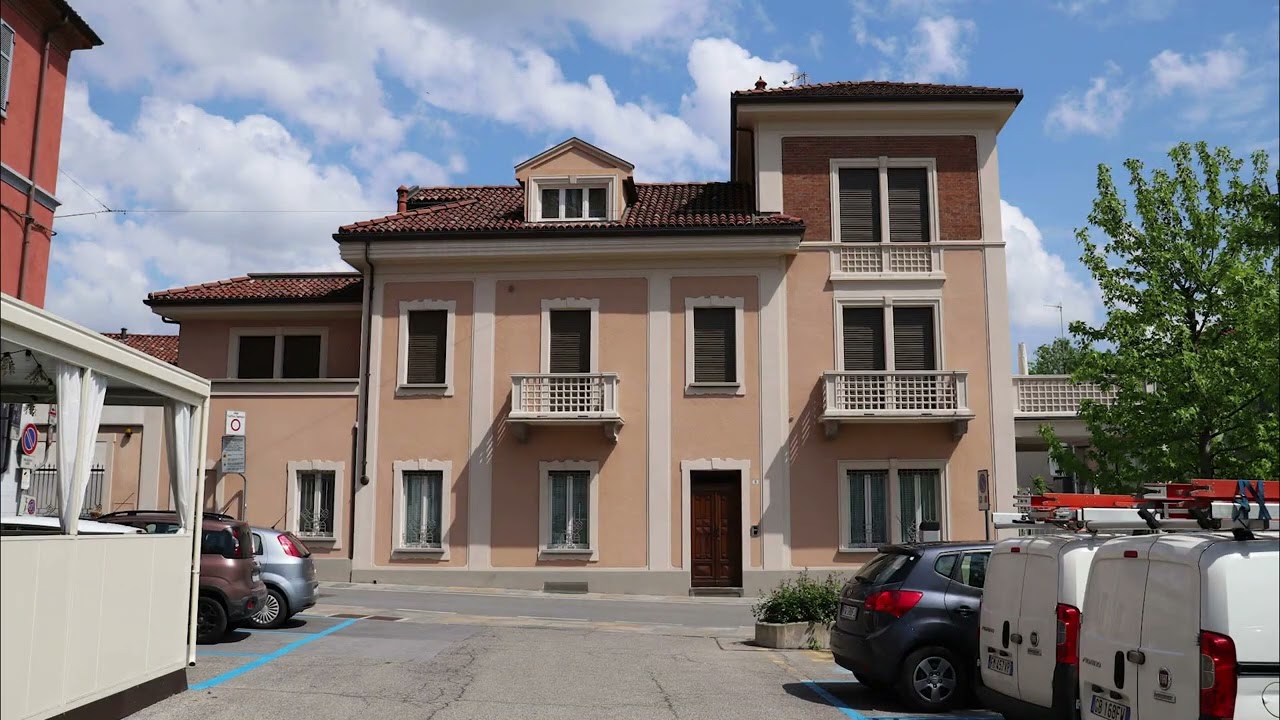
Nestled among the rolling hills of Piedmont in north-western Italy, Alba is a town where history, gastronomy, and landscape are inseparably intertwined. Best known as the world capital of white truffles and as the heart of the Langhe wine region, Alba offers a refined yet welcoming introduction to one of Italy’s most celebrated culinary and cultural areas. Elegant in scale and rich in tradition, the town serves as both a historic centre and a gateway to the vineyard-covered hills that surround it.
Alba’s origins stretch back to Roman times, when it was founded as Alba Pompeia, an important settlement along key trade routes. Over the centuries, it grew into a prosperous medieval commune, competing with neighbouring towns for power and influence. This period left a lasting architectural legacy, most notably in the towers that once dotted the skyline. Although only a handful remain today, they still give Alba its distinctive vertical profile and echo its medieval past. The compact historic center is a pleasure to explore, with cobbled streets, shaded piazzas, and arcaded walkways that reveal layers of Roman, Gothic, and Baroque architecture.
At the heart of the town stands the Cathedral of San Lorenzo, whose origins date to the 12th century. Its sober façade and harmonious interior reflect the understated elegance that characterizes Alba as a whole. Nearby, the Church of San Domenico—now a cultural space—adds to the town’s sense of continuity between past and present, often hosting exhibitions and events that animate the historic core.
Alba’s global reputation, however, rests largely on its extraordinary food culture. Each autumn, the town becomes the epicentre of the celebrated Alba White Truffle Fair, drawing chefs, food lovers, and gourmands from around the world. The prized tartufo bianco d’Alba is revered for its intense aroma and rarity, and its presence elevates even the simplest local dishes. Beyond truffles, Alba is closely associated with some of Italy’s most prestigious wines, including Barolo and Barbaresco, produced in the surrounding Langhe hills. Wine enotecas and traditional trattorias throughout the town reflect this deep connection to the land and its harvests.
The surrounding landscape, recognized as a UNESCO World Heritage Site, is an essential part of Alba’s identity. Gently rolling hills lined with vineyards, hazelnut groves, and small villages create a patchwork of cultivated beauty that changes with the seasons. Alba functions as a natural base from which to explore this countryside, linking rural traditions with urban sophistication.
Walk 2 – The walk starts in – Piazza Elvio Pertinace – Chiesa Parrocchiale di San Giovanni Battista, Piazza Elvio Pertinace – Piazza Elvio Pertinace – Via Elvio Pertinace – Via Camillo Benso Conte di Cavour – Piazza Rossetti – Via Acqui – Piazza Monsignor Luigi Grassi – Via Mons M. Gerolamo Vida – Via Vida – Via Antonio Coppa – Via Teobaldo Calissano – Via Mandelli – Piazzetta Giovanni Falcone
For more information click the “Italy in Photos” link at the top of the page where there is much more information on each place and also information on the “Regions of Italy” and the “Provinces” within them.