
They are both very easy to make
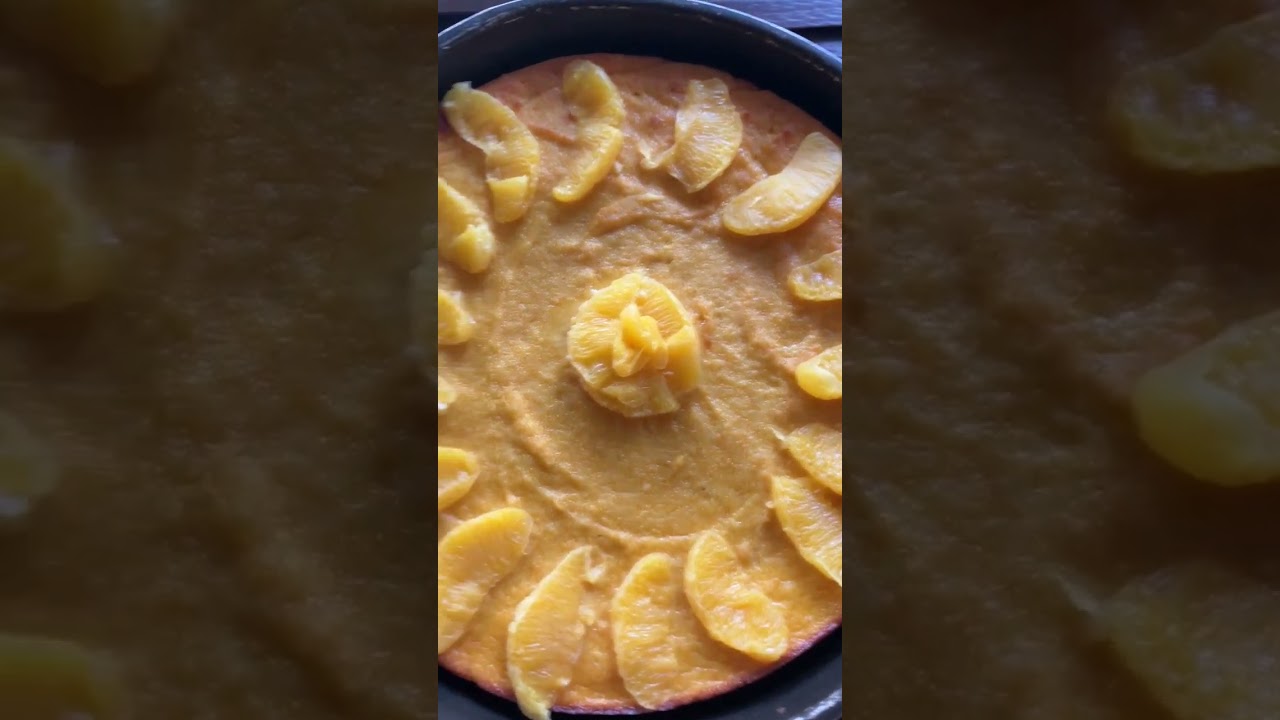
Orange cake (has eggs)
A classic Passover dessert (but I made it for Christmas 2025) that draws on the Sephardic traditions of the Mediterranean, Morocco and the Middle East.
But it’s really great for people who eat gluten free. I first ate it as a birthday cake years ago.
For centuries, Sephardic women soaked almonds and ground them in order to make almond cakes.
The orange almond cake has a rich history that traces back to the 14th-century Iberian Peninsula and the Sephardic Jewish community. The dish spread across the Mediterranean and Middle East and was popularized in more modern times by food writer Claudia Roden.
Origins and Evolution
Sephardic Tradition: The cake is widely considered a traditional Sephardic Jewish Passover dessert. Because it is flourless, using ground almonds instead of wheat, it aligns with kosher dietary laws for Passover. The combination of almonds and oranges is a hallmark of Sephardic cuisine, which flourished in the Iberian Peninsula (modern-day Spain and Portugal).
Moorish Influence: Oranges were first introduced to Spain by the Moors in the 9th century, and the Jewish community played a central role in the cultivation and distribution of citrus throughout the Mediterranean.
Spanish Inquisition: During the Spanish Inquisition in the 14th and 15th centuries, many Jews (or non catholics) were forced to flee the region. They carried their culinary traditions with them, and the orange almond cake recipe spread to North Africa, Italy (where a variation is known as Focaccia alla Portoghese, or Portuguese-style cake), and the Middle East, particularly to places like Aleppo.
Serves 12 (or 6 because they will want seconds lol)
Organic, entire, rind and all oranges 2 large (+ 2 for decoration)
Entire eggs 6
Regular sugar (caster) 250g
Baking powder 1 tsp
Grounc almonds 250g
Wash and boil the four oranges whole for 1½ hours or less, until they are very soft. The water as high as the height of the oranges.
When cool enough to handle, cut them open, remove the pits, and puree the oranges, including the peels, in a food processor.
In a large bowl, beat the eggs with the sugar. Add the baking powder and almonds and mix well. Then mix thoroughly with the orange puree and pour into a buttered (or vegan butter) cake oven tin – preferably non stick. But I personally serve it often in the pan it cooked in and use a plastic knife not to damage the pan.
Bake at 170C or 350 f or fan/gas mark 5 for 45 to an hour at most. You know your oven it might have it’s own personality…
Let it cool before turning out.
Cut skin of the boiled 2 left ones in a “supreme” way for decoration, slices on top.
You can shake a little powdered sugar upon serving.
—-
Melomakarona :
are traditional Greek Christmas cookies made with olive oil, orange juice and spices like cinnamon and clove, baked until golden, and then soaked in a honey-based syrup and topped with walnuts. They are known for their soft, fragrant, and moist texture, and they often improve in flavor after a few days as the syrup fully absorbs.
Key characteristics
Flavor: A warm, spiced flavor from cinnamon, clove, and orange, balanced by the sweetness of honey.
Texture: Soft and cake-like, becoming even moister as they sit.
Key ingredients: Olive oil, flour, fresh orange juice, zest too, honey (agave if very vegan) walnuts, cinnamon, and clove (which I include less than suggested)
Preparation: The cookies are baked and then dipped in a cold syrup, a crucial step (As soon as you remove them from the oven, soak the hot cookies in the syrup for 10 to 20 seconds. Allow them to drain on a wire rack.
Tradition: A staple during the Christmas holidays in Greece, with many families having their own unique recipe.
This time I did not use honey but algave syrup, the sauteed crushed walnuts did not stick to the biscuits.
My own touch : a lot less sugar than the recipes suggested.