
Is your Prosecco actually sweet or dry? What is the difference between DOC and DOCG? In this Prosecco wine guide, we break down everything you need to know about Italy’s most famous sparkling wine, from the Glera grape to the complex pyramid of quality.
Everything You Need to Know About PROSECCO (Sweetness Levels, Regions & Tasting).
👇 SUBSCRIBE FOR MORE WINE EDUCATION 👇 www.youtube.com/@UCu4Fa-JgtT9gLpgIgtMrHiA
⏱️ TIMESTAMPS (Jump to what you need):
00:00 – Intro: Why Prosecco is the world’s most popular sparkling wine
00:54 – What is Prosecco? (The Legal Definition)
01:15 – DOC vs. DOCG: Understanding the Quality Pyramid
02:16 – The Regions: Veneto & Friuli Venezia Giulia
02:46 – The Grape: Why it’s called Glera (not Prosecco)
03:55 – How Prosecco is Made: The Tank Method (Charmat/Martinotti)
04:46 – Prosecco Sweetness Levels Explained (Brut vs. Extra Dry)
05:40 – What does “Millesimato” mean on the label?
06:05 – The production areas on the label
06:51 – Advanced Regions: Asolo, Conegliano Valdobbiadene, Rive & Cartizze
07:20 – The quality pyramid
07:55 – What to expect in a glass of Prosecco?
08:14 – Tasting Notes: What does high-quality Prosecco taste like?
📝 IN THIS VIDEO: We explore the fundamentals of Prosecco, an Italian sparkling wine that produces over 600 million bottles annually. You will learn why the “Prosecco” grape was renamed Glera in 2009 and how the Charmat Method (Tank Method) creates those fresh, fruity bubbles that differ significantly from Champagne.
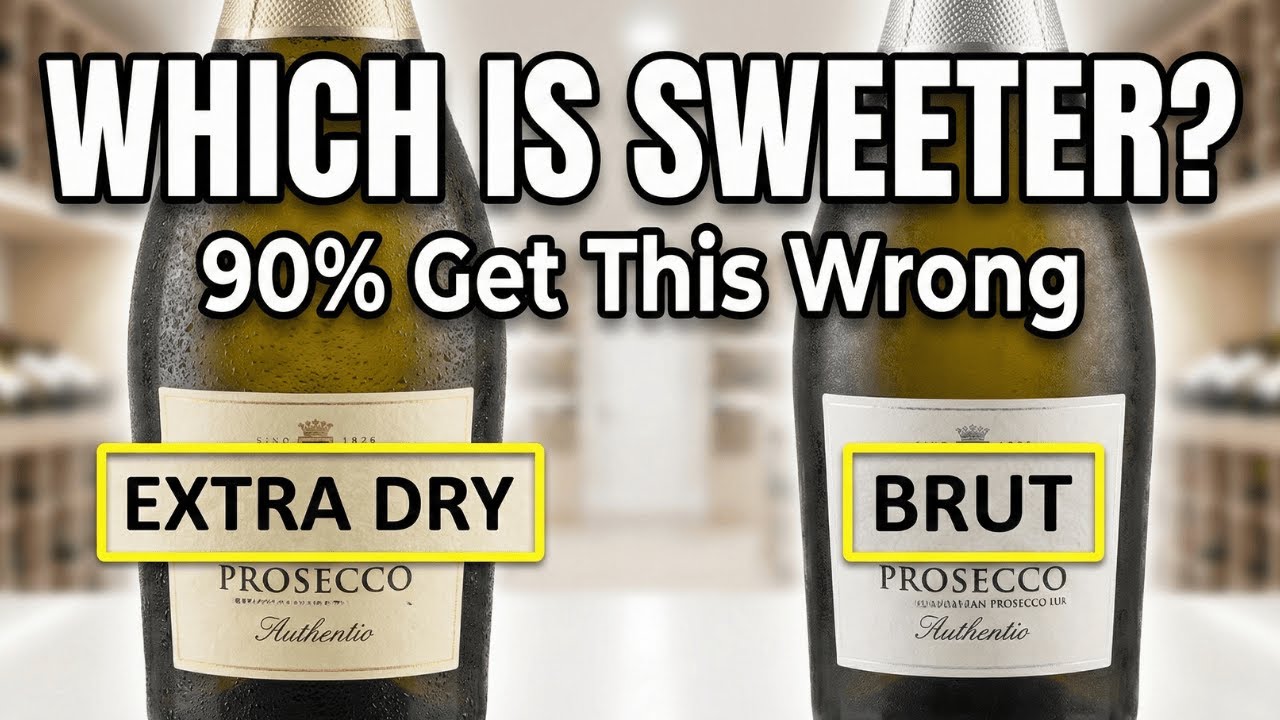
We also decode the confusing sugar labels. Did you know “Extra Dry” is actually sweeter than “Brut”? We explain the grams per liter scale so you never buy the wrong bottle again. Finally, we open a bottle of Conegliano Valdobbiadene Prosecco Superiore DOCG to analyze the tasting notes of green apple, pear, and fresh acidity.
KEY CONCEPTS EXPLAINED:
* Grapes: Minimum 85% Glera.
* Production: Autoclave (Pressurized Tank) fermentation preserves fruitiness.
* Classification:
* Prosecco DOC: The standard production area.
* Conegliano Valdobbiadene DOCG: The historic hills (Higher Quality).
* Rive & Cartizze: The “Grand Crus” of Prosecco.
* Sweetness Guide:
* Brut Nature (0-3 g/L)
* Extra Brut (0-6 g/L)
* Brut (0-12 g/L)
* Extra Dry (12-17 g/L) – Most common!
* Dry (17-32 g/L)
🎬 RELATED VIDEOS: How Sparkling Wine is Made (The Science of Bubbles): https://youtu.be/SFz74PhAU3U
🥂 ABOUT HOURGLASS OF WINE
Welcome to Hourglass of Wine! We are passionate about making wine education fun, approachable, comprehensive and engaging.
We are Jacqueline (an american expat working in the wine industry) and Andrea (a native italian passionate about the world of wine). We are based in Alba (Piedmont, Italy) in the heart of the iconic Langhe wine region (home to Barolo & Barbaresco wines). We are two certified sommeliers with AIS (Associazione Italiana Sommelier) and WSET Level 3 holders, and we’re on a mission to help you learn about wine, whether you’re a seasoned wine enthusiast or a wine novice just starting your journey in the world of wine.
Connect with us:
* Instagram: @Hourglass.Wine
#Prosecco #WineEducation #ItalianWine #SparklingWine #Glera #Sommelier #WineTasting #HourglassOfWine
4 Comments
This video is right in time for the summer. I enjoyed learning everything about it. Thank you !🎉🍷
Excellent video as always! Now, I must order a bottle of prosecco!
Thanks for that. The younger ones seem to like Prosecco-it shows up with guests on high days and holidays. Good learning for this old red drinker..
Any sparkling wine made by the traditional method, as Cava for example, has usually better quality and more complexity. Prosecco is just a marketing thing.