
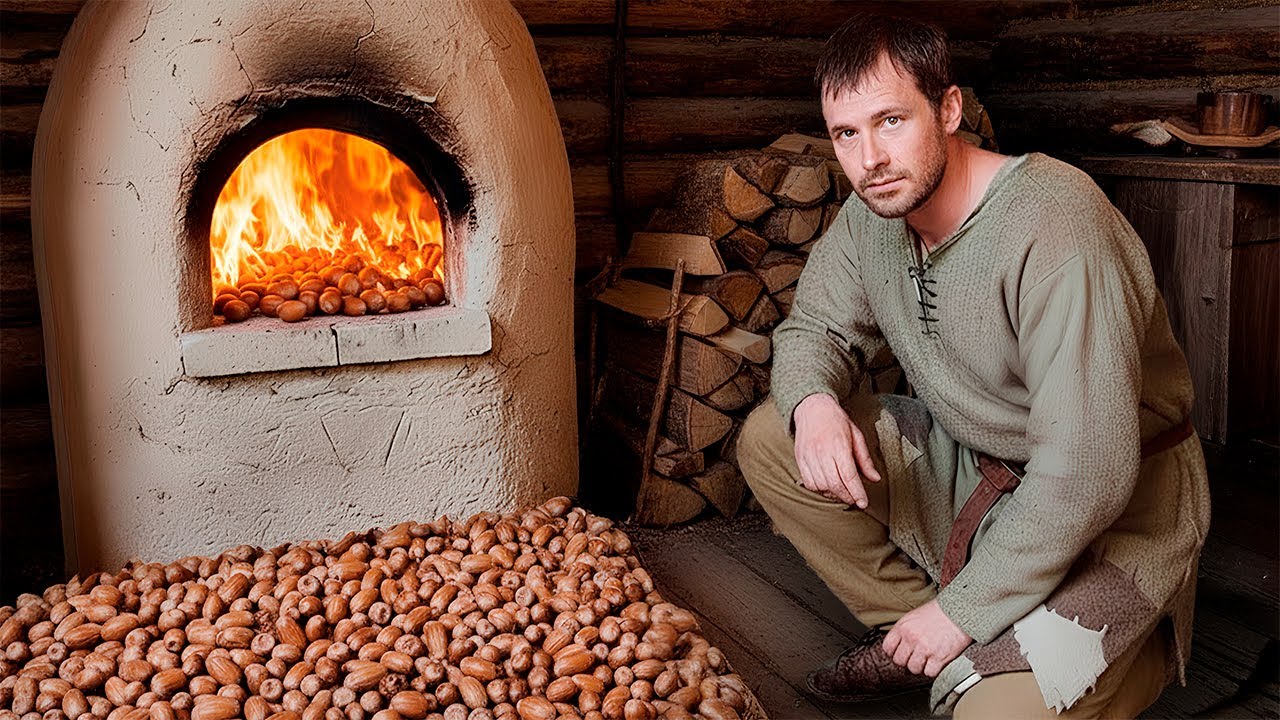
During the Great Famine of 1315-1317, medieval peasants transformed toxic acorns into survival food through a dangerous multi-step process. This video demonstrates the complete historical technique: foraging white oak acorns, the float test for quality control, tannin leaching with wood ash (medieval chemistry that removes deadly compounds), and final roasting over open fire. Archaeological evidence shows 7,000 years of acorn processing, while chronicles document families stealing acorns from pigs to make emergency bread. The result? Surprisingly delicious roasted nuts and flour that kept millions alive during Europe’s darkest famine.
SECTION 1:When Forests Became Supermarkets: 01:16
SECTION 2: The Foraging – Reading the Forest: 03:48
SECTION 3: The Preparation: 06:24
SECTION 4: The Great Leaching: 08:23
SECTION 5: The Medieval Cookout: 12:57
SECTION 6: The Verdict: 15:24
SECTION 7: The Unexpected Twist: 17:23
SOURCES & RESEARCH:
– Great Famine 1315-1317: Wikipedia – Great Famine of 1315–1317
– Medieval Acorn Consumption: Medievalists.net – “Acorns in the Middle Ages” (2020)
– Acorn Processing Techniques: ElegantExperiments.net – “Acorns, Tannins, and Humans”
– Archaeological Evidence: Old European Culture – “Acorns in Archaeology”
– Leaching Methods: BritishLocalFood.com – “A Forager’s Guide to Leaching Acorns”
– Medieval Famine History: EuropeNow – “Famine and Dearth in Medieval England”
– Historical Acorn Recipes: PMC – “Food Security Beyond Cereals” (Cross-Cultural Study)
– Crisis of Late Middle Ages: Wikipedia – Crisis of the Late Middle Ages
medieval survival food techniques
how to process acorns safely
great famine 1315 history
acorn leaching tutorial medieval
toxic acorns edible preparation
medieval peasant food history
#medievalhistory #survivalskills #foraging #greatfamine #bushcraft #historyeducation #medievalfood #acorns #wilderness #foodhistory
SUBSCRIBE for more ancient wisdom that beats modern technology! 👍 LIKE if you’re ready to stay cool like medieval masters!
DISCLAIMER: This content is for educational purposes only. Do your own research and consult experts before attempting any cooling modifications. We are not responsible for outcomes from following these methods. For content removal requests, contact mwcontactchannel@gmail.com
Copyright Disclaimer under Section 107 of the copyright act 1976, allowance is made for fair use for purposes such as criticism, comment, news reporting, scholarship, and research. Fair use is a use permitted by copyright statute that might otherwise be infringing. Non-profit, educational or personal use tips the balance in favour of fair use.
23 Comments
In medieval Europe, there were no red oaks; they were introduced to Europe from America.
It might have been hard work for the peasants in famine times, but especially in the winter, there probably wasn't much else to do. It's not like that had to do this after a 10 hours shift, so probably well worth the reward. I also wonder whether they also used other foraged nuts like chestnut, walnut and hazelnut and could they be combined to create really a very nutritiously rich flour? Very interesting.
I've been a forager for many years. Right now I'm wondering whether these skills might save my life soon 🤔
I remember when I was a child, we would go in search of wild Hazelnuts. They are all gone. We used to find large Hickory nuts
And lots of wild blackberries and gooseberries.
😅😅
If you have a river or brook near you you could boil them or let them soak in the brook water overnight that helps get all the tanons out 🙏🏻
I’ve planted sunchokes, a Granny Smith apple tree and walking onions to complement nature on my 3 acres in eastern Oklahoma. So far…
Колись в книжці прочитав що з жолудів роблять замінник кави,спробував зробити як описано- вийшло.
I have foraged for sweet chestnuts.and berries
I have hickory, walnuts and perhaps wild pecans here. there is a spot here for morel mushrooms too.
I have an oak (and there is a 200 acre wood opposite here in England with loads) but we tried as children to grind them etc and it is just far too much work so I wll give this one a miss and leave them to the grey squirrels (which you can eat so I suppose killing them might be easier but haven't tried that). I was out last Autumn with a 2.5 year old grand child. I was delighted to know she knew how to find and pick blackberries already at that age. Although teaching children to read etc is important so are basic survival skills.
If you are having menstrual cramps😢 the bark of the tree of the oak tree turned into tea, will relieve the cramps. That’s why they call it cramp bark
I have miles and miles of those trees to eat because nobody else will. I planted a few thousand trees when I harvested the nuts. 🌰
I've tinkered with wild foods, vast majority of people today would starve
In my survival course we made bannok by taking acorns shelling them grinding them into a very corse meal then stick the meal into a cloth bag and sink into the river overnight. Worked pretty well and we even scored some wild honey to pour on the cakes. Best meal ive ever had but this was day 3 of survivingbon cattails and earth worms
In XIX-century russian empire they were called "peasnt's coffee".
How come we don’t see piles of dead squirrels in the forest’s
Hasta el pasado siglo en toda Europa se han comido los frutos del bosque, más en tiempos de escasez. Bellotas, castañas y muchas hierbas silvestres se han comido en cantidades ingentes. Ocurre que ahora, como hay de todo, ya sé que hay muchísimas personas que pasan hambre en el mundo, nos hacemos los muy buenos. A mi me contaron mis abuelos que el hambre era lo normal de todos los días, unas veces porque no tenían dinero par comprar y otras porque, aunque lo tuvieran, escaseaban los productos.
Now I know why my grandfather told me that acorns are only food for squirrels & maybe chipmunks!
When I was a kid, we ate raw acorns and horse chestnuts and never suffered ill effects.
С чего вдруг дубовые желуди стали ядовитыми?
I have a large oak tree in my yard, I should try this.
Интересно, но перевод отвратительный.