
Tuscany, wine, Sangiovese, Chianti, Brunello, culinary, Italian cuisine, Tuscan culture, wine regions, Italian history.
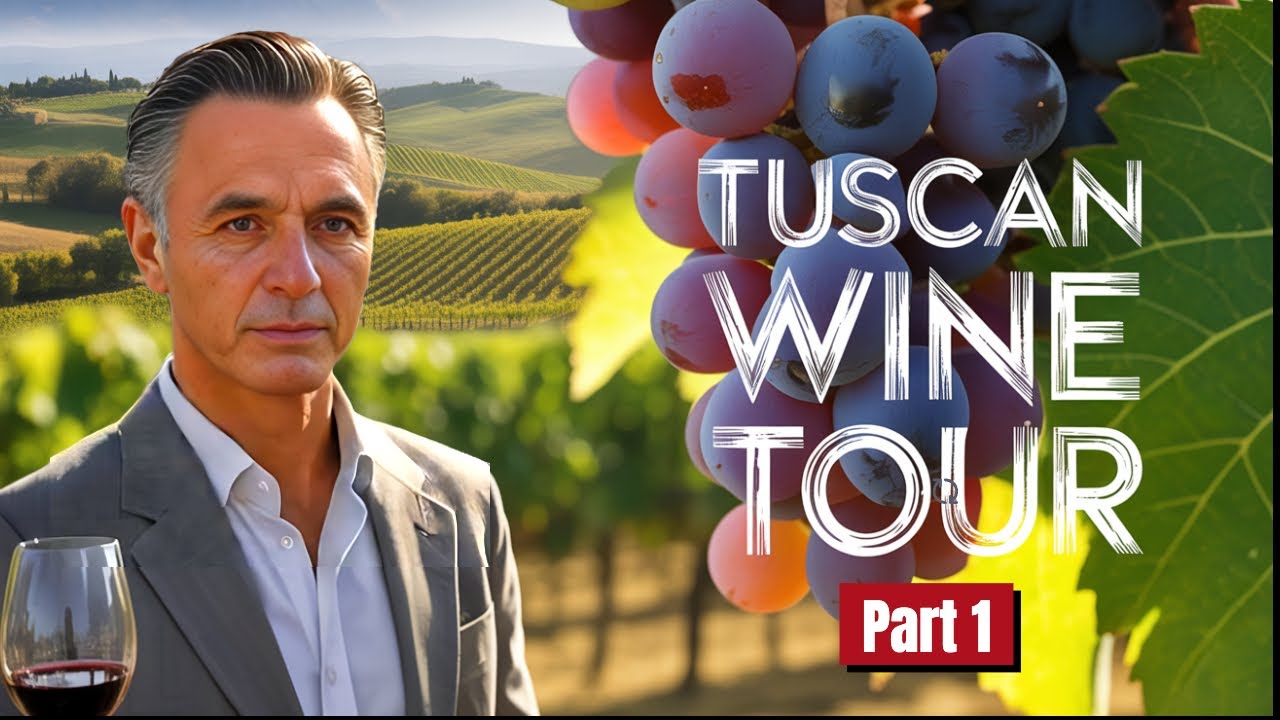
This conversation delves into the rich cultural and culinary heritage of Tuscany, exploring its historical significance, renowned wines, and traditional cuisine. Anthony Verdoni discusses the Sangiovese grape, the evolution of Tuscan wines, and the unique characteristics of various wine regions, including Chianti and Brunello di Montalcino. The conversation also highlights the importance of local dishes and the philosophy behind Tuscan cooking, emphasizing the connection between food and wine.
Tuscany is rich in history and culture, influenced by the Etruscans.
The Sangiovese grape is central to Tuscan wine production.
Tuscan cuisine is characterized by its simplicity and use of local ingredients.
Chianti is a significant wine region with a diverse range of wines.
Brunello di Montalcino is considered one of Italy’s finest wines.
Vino Nobile de Montepulciano offers a more accessible alternative to Brunello.
Tuscan olive oil is highly regarded and integral to local cuisine.
The concept of ‘cucina povera’ reflects the region’s culinary philosophy.
Wine production in Tuscany is evolving with a focus on smaller sub-regions.
Tuscany’s wines are celebrated for their quality and connection to the land.
00:00
Exploring Tuscany: An Overview
06:26
Culinary Delights of Tuscany
10:56
The Versatile Sangiovese Grape
24:28
Chianti: A Tapestry of Tradition
35:55
Brunello di Montalcino: The Noble Wine
42:54
Vino Nobile di Montepulciano: The Poor Man’s Brunello