
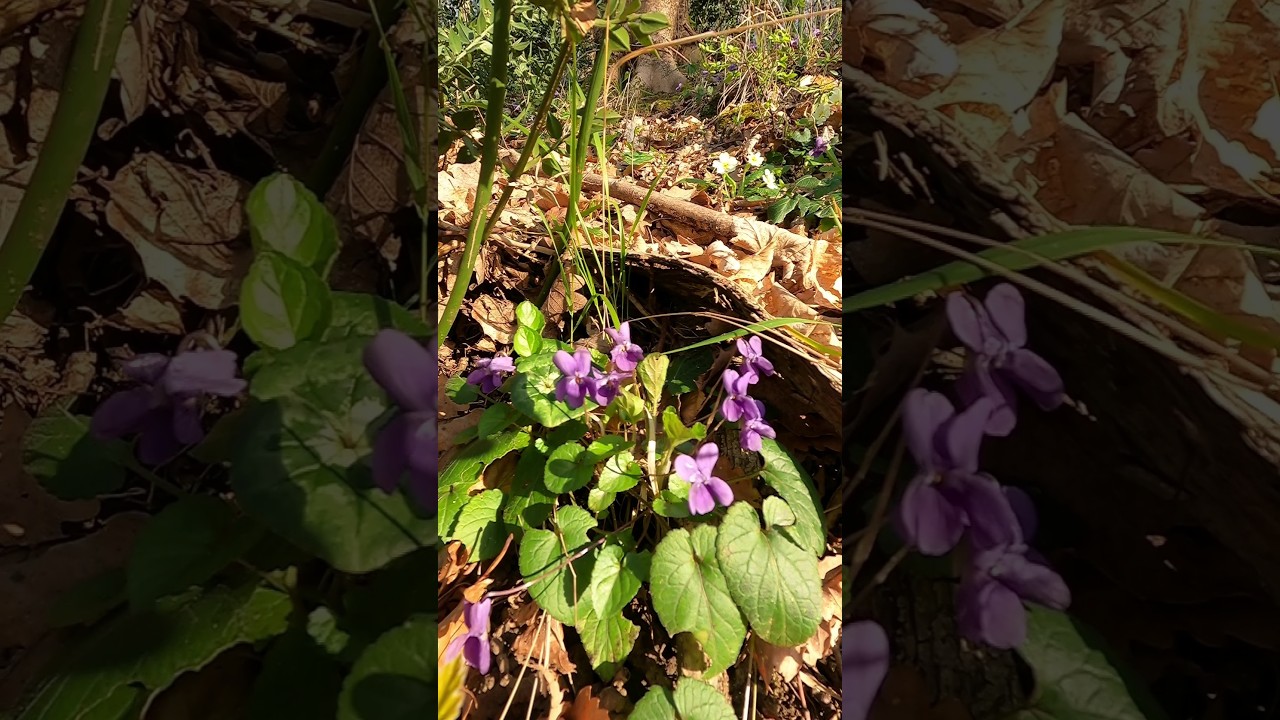
In ancient Rome, violets were used to make wine (De Re Coquinaria), whereas later they appeared as an ingredient in salads, to decorate dishes or to prepare sweets (as we read in the books of Costanzo Felici, Bartolomeo Scappi and Panunto, written in the 16th century). As Pliny writes in the 1st century, there were both wild and cultivated varieties with purple, yellow and white colors.
This is the recipe of violatium wine from De Re Coquinaria, made on the model of the previous recipe for rose wine.
Folia rosarum, albo sublato, lino inseris et sutilis facias, et vino quam plurimas infundes, ut septem diebus in vino sint. Post septem dies rosam de vino tollis, et alias sutiles recentes similiter mittis, ut per dies septem in vino requiescant, et rosam eximis. Similiter et tertio facies, et rosam eximis, et vinum colas, et, cum ad bibendum voles uti, addito melle rosatum conficies. Sane custodito ut rosam a rore siccam et optimam mittas.
“Take the petals of the roses, remove the white part, put them in a flaxen cloth and sew them inside, then soak the petals, as many as possible, in wine for seven days. After seven days, remove the roses from the wine and put other fresh petals in a cloth sewn in the same way, leave them in wine for another seven days, then remove the roses. Do the same process for the third time, then remove the roses and sift the wine. If you want to drink it, add honey to the rosatum. Take care to use roses dry of dew and excellent.”
For more information about flowers in historical Italian cooking check out our book Early Italian Recipes. Vegetables, fruit, herbs, and flowers.
English https://www.amazon.com/dp/B0B4T8VPFQ
Italiano https://www.amazon.it/dp/B0B4V32FHR
#violet #violaodorata #foraging #edibleflowers
1 Comment
In ancient Rome, violets were used to make wine (De Re Coquinaria), whereas later they appeared as an ingredient in salads, to decorate dishes or to prepare sweets (as we read in the books of Costanzo Felici, Bartolomeo Scappi and Panunto, written in the 16th century). As Pliny writes in the 1st century, there were both wild and cultivated varieties with purple, yellow and white colors.
This is the recipe of violatium wine from De Re Coquinaria, made on the model of the previous recipe for rose wine.
Folia rosarum, albo sublato, lino inseris et sutilis facias, et vino quam plurimas infundes, ut septem diebus in vino sint. Post septem dies rosam de vino tollis, et alias sutiles recentes similiter mittis, ut per dies septem in vino requiescant, et rosam eximis. Similiter et tertio facies, et rosam eximis, et vinum colas, et, cum ad bibendum voles uti, addito melle rosatum conficies. Sane custodito ut rosam a rore siccam et optimam mittas.
"Take the petals of the roses, remove the white part, put them in a flaxen cloth and sew them inside, then soak the petals, as many as possible, in wine for seven days. After seven days, remove the roses from the wine and put other fresh petals in a cloth sewn in the same way, leave them in wine for another seven days, then remove the roses. Do the same process for the third time, then remove the roses and sift the wine. If you want to drink it, add honey to the rosatum. Take care to use roses dry of dew and excellent."
For more information about flowers in historical Italian cooking check out our book Early Italian Recipes. Vegetables, fruit, herbs, and flowers.
English https://www.amazon.com/dp/B0B4T8VPFQ
Italiano https://www.amazon.it/dp/B0B4V32FHR