
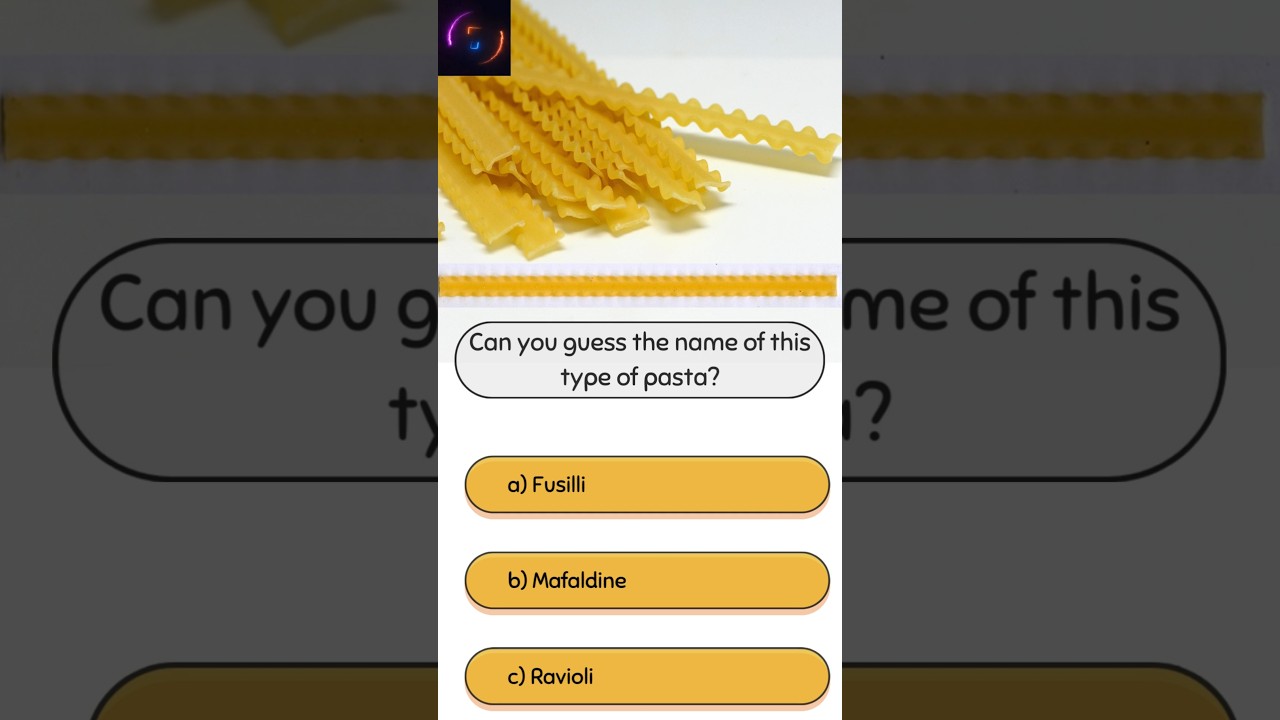
Mafaldine, also known as Reginette (Italian for “little queens”), is a ribbon-shaped Italian pasta with frilly edges, resembling miniature lasagna noodles. This elegant pasta is named after Princess Mafalda of Savoy, and its regal appearance makes it a unique and versatile choice for various dishes.
Key Features
Shape:
Long, flat ribbons with wavy edges on both sides.
Typically 0.5–1 inch wide, resembling a refined version of lasagna sheets.
Texture:
The ridged edges help to capture sauces, while the flat middle provides a sturdy bite.
Aesthetic Appeal:
Often used in dishes where the pasta is a focal point due to its decorative look.
Nutritional Value (Per 100g of cooked Mafaldine pasta
Calories: 150-200 kcal
Carbohydrates: 30-40g
Protein: 6-8g
Fat: 1g plain pasta
Fiber: 2g higher in whole wheat versions
Health Benefits
Energy Source:
Provides complex carbohydrates for sustained energy.
Low in Fat:
A healthy base for dishes when paired with nutrient-dense sauces.
Rich in Iron and B Vitamins:
Fortified versions offer additional nutritional benefits.
Customizable for Diets:
Available in whole wheat and gluten-free varieties to suit dietary needs.
Culinary Uses
With Rich Sauces:
Complements hearty sauces like ragu, Bolognese, or creamy Alfredo due to its wide surface area and frilly edges.
Baked Dishes:
Used as a lasagna alternative in layered bakes or casserole-style dishes.
Simple Preparations:
Tossed with olive oil, garlic, and herbs for a minimalist, elegant dish.
Specialty Dishes:
Often featured in recipes that showcase the pasta’s unique shape, such as seafood-based dishes or truffle-infused sauces.
Cultural Significance
Regal Connection:
Named in honor of Princess Mafalda of Savoy, the pasta carries an association with Italian royalty.
Versatility in Italian Cuisine:
While not as common as spaghetti or penne, Mafaldine is a favorite for special occasions and gourmet presentations.
Cooking Tips
Cook to Al Dente:
Due to its thickness, Mafaldine requires slightly longer cooking times than thinner pasta. Check for a firm but tender bite.
Sauce Pairing:
Works best with robust sauces that can cling to the wavy edges, such as meat-based or creamy sauces.
Presentation:
Highlight its unique shape by plating it carefully, especially in minimalist dishes.
Popular Recipes with Mafaldine
Mafaldine al Ragu:
Tossed in a rich, slow-cooked meat sauce.
Truffle Mafaldine:
Cooked with a creamy truffle-infused sauce for a luxurious dish.
Seafood Mafaldine:
Paired with shrimp, scallops, and a white wine or garlic butter sauce.
Lemon Garlic Mafaldine:
A light and zesty dish featuring olive oil, garlic, lemon zest, and parsley.
Why Choose Mafaldine?
Aesthetic Appeal:
Perfect for entertaining or gourmet dishes.
Versatility:
Works with a range of sauces, from heavy to light.
Textural Experience:
The combination of smooth ribbons and ridged edges provides a satisfying bite.