
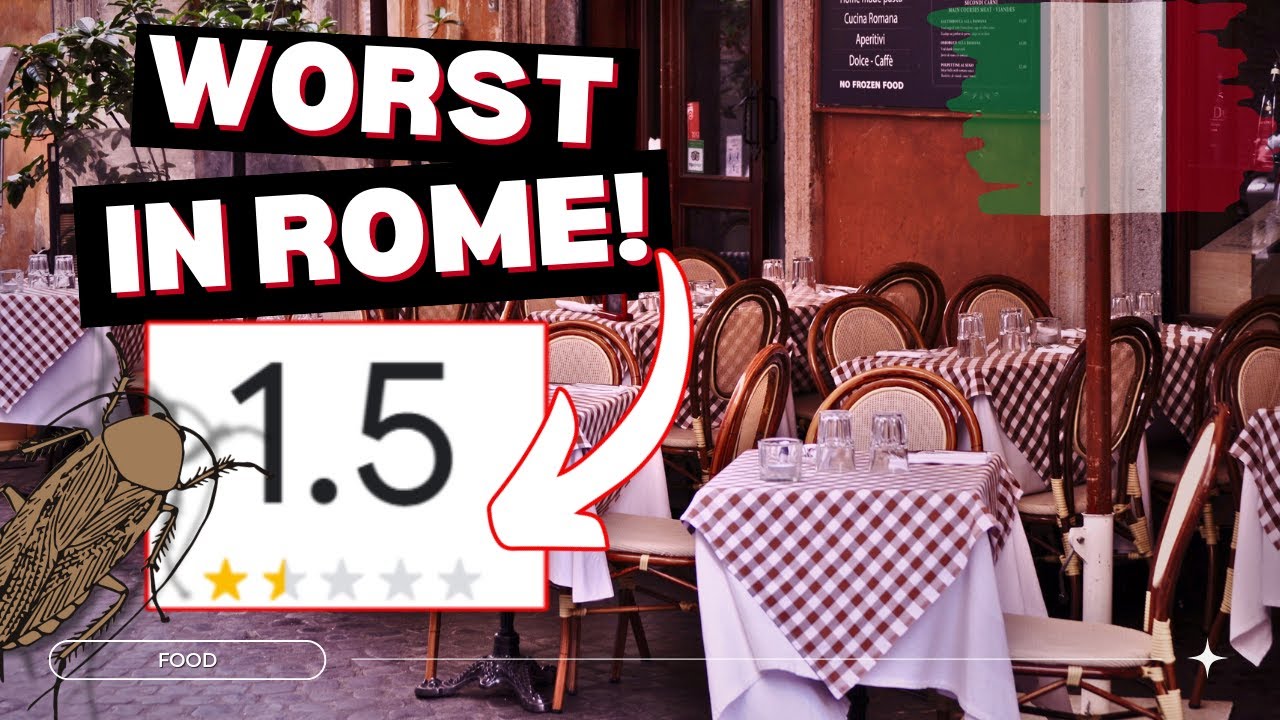
I risk my health and safety eating at Restaurant 248/Ristorante 248, a 1.5 star rating establishment in Rome. While the eternal city in Italy is celebrated as a global food destination, the reality doesn’t always match the ideal. The city has its share of dining disappointments, with overpriced tourist traps, questionable food safety practices, and inconsistency in quality tarnishing its culinary reputation. For those seeking an authentic and safe dining experience, Rome might not always deliver.
Belgian Fries: https://youtu.be/DETz58ZSSz0
Please like this video, subscribe and leave a comment below. Check out my other video and playlists:
Tourist Traps and Overpriced Dining: Famous landmarks like the Trevi Fountain, Piazza Navona, and the Colosseum are surrounded by restaurants that often prioritize location over quality. Many of these establishments cater primarily to tourists, serving lackluster meals at inflated prices. A typical example is paying upwards of €20 for a mediocre plate of pasta at a restaurant with a scenic view. In neighborhoods like Campo de’ Fiori and Trastevere, the charm of cobblestone streets and vibrant atmospheres can distract diners from the reality of uninspired, reheated dishes marketed as “authentic.” The focus on maximizing profits sometimes leads to subpar ingredients and bland flavors.
Food Safety Concerns: Rome’s dining scene has faced its share of food safety controversies. Past incidents of food poisoning in tourist-heavy areas like the Spanish Steps and Vatican City have raised concerns about hygiene practices.
Inconsistent Quality Across Restaurants: Rome’s reputation as a culinary capital is undermined by the inconsistency of its restaurants. While gems like Roscioli Salumeria or Felice a Testaccio offer memorable dining experiences, these are exceptions rather than the rule. Many establishments fail to maintain high standards, leaving diners with meals that are unremarkable or poorly executed. The disparity in quality is particularly pronounced in tourist-heavy zones. At times, establishments rely on pre-made sauces and frozen ingredients, sacrificing the fresh, vibrant flavors one expects from Italian cuisine. These practices are particularly prevalent around major landmarks like Pantheon or St. Peter’s Basilica, where turnover is prioritized over culinary artistry.
Health Concerns and Past Incidents: Rome has a mixed track record when it comes to food hygiene. Reports of contaminated water affecting restaurants in the outskirts and cases of unregulated seafood leading to food poisoning have emerged over the years. Travelers have been warned to avoid uncooked dishes like seafood carpaccio and improperly cleaned salads in certain areas. Even high-end establishments are not immune. A prominent restaurant near the Villa Borghese Gardens was closed temporarily in 2019 after inspectors found violations involving spoiled ingredients. Such incidents erode trust in the city’s culinary establishments, even among locals.
Challenges with Traditional Dishes: Traditional Roman dishes, while iconic, can also pose issues for certain diners. The heavy use of ingredients like guanciale (cured pork cheek) in carbonara and amatriciana can lead to a greasy or overly salty meal if not prepared with care. For those unfamiliar with Roman cuisine’s robust flavors, this can translate into disappointment. Additionally, some classic recipes rely on cuts of meat like tripe or offal, which may not appeal to all palates. Restaurants often struggle to strike a balance between catering to local tastes and accommodating international diners, resulting in inconsistent experiences.
Overcrowding and Declining Standards: The sheer volume of tourists in Rome exacerbates the city’s culinary issues. Areas like Vatican City and Trevi Fountain are packed year-round, leading to rushed service and compromised food quality. Restaurants overwhelmed by demand often opt for mass-produced dishes to keep up, sidelining the artisanal approach that defines Italian cooking. Even in celebrated food markets like Mercato di Testaccio, the influx of tourists has led to a dilution of authenticity, with some vendors focusing on quick profits rather than maintaining high-quality offerings. This shift detracts from the genuine culinary experience travelers seek.
00:00 Restaurant 248
05:40 The food
10:21 The Toilets. Cockroaches?
2 Comments
Are you Indian-Jamaicans?
I have lived in Barcelona for 6 years, only ever eaten out once in the tourist area, was hospitalised with food poising, was my first and last visit ever to any restuarant the trust has gone. Also, cockroaches do not come out in the day they feed at night when it is quiet.