
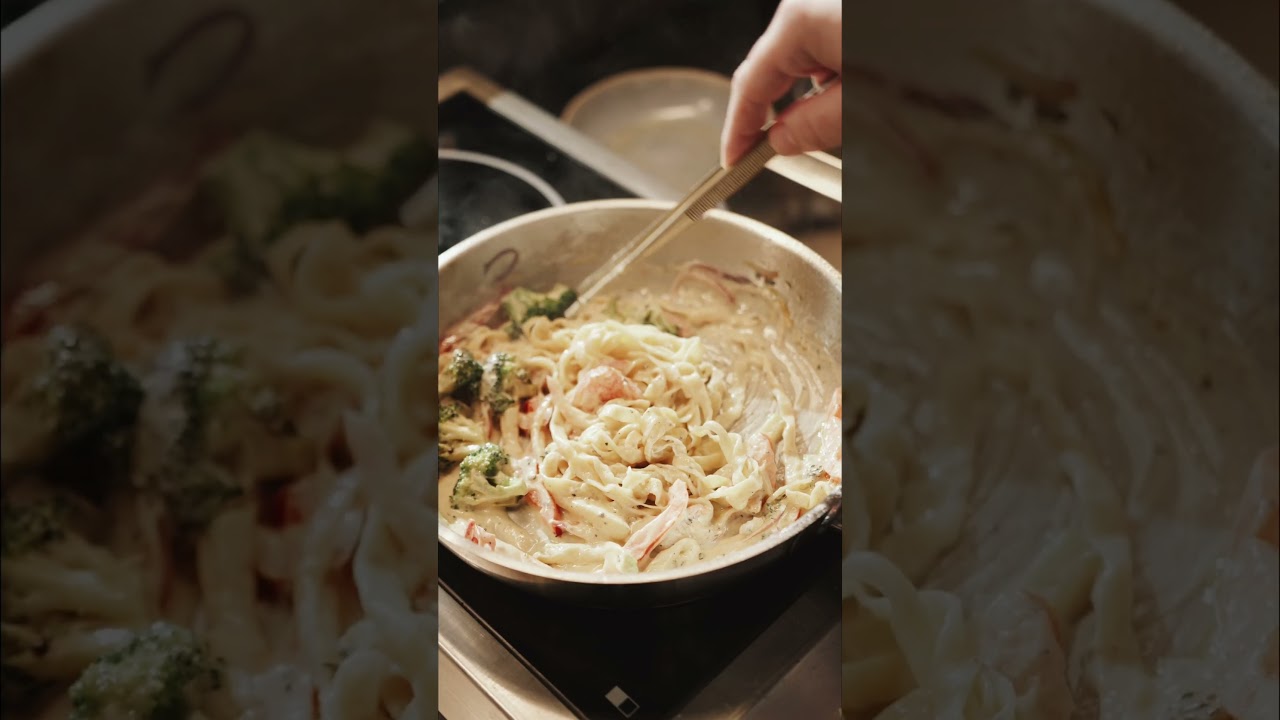
Why does pasta have so many shapes?
Pasta’s diverse shapes and forms arise from a blend of tradition, function, and regional preferences. Historically, different regions of Italy and beyond developed unique pasta shapes to complement local sauces and ingredients. For example, long, thin pasta like spaghetti works well with lighter sauces, while tubular shapes like penne hold onto chunky sauces better. The variety also reflects the creativity and resourcefulness of Italian cooks who adapted to available tools and ingredients. Additionally, pasta shapes can affect cooking times and texture, providing a tailored experience for different dishes. This rich variety enhances culinary versatility, making pasta a beloved staple in global cuisine. The multitude of shapes enriches the sensory experience of eating and showcases the craftsmanship of pasta-making.
Dive into our latest video, crafted to provide knowledge, share enthusiasm, and inspire curiosity about the world’s staple foods and beloved dishes.
This video is wholeheartedly brought to you by @GastronomyCanvas
#gastronomycanvas #food #foodculture #culinary #cuisine