
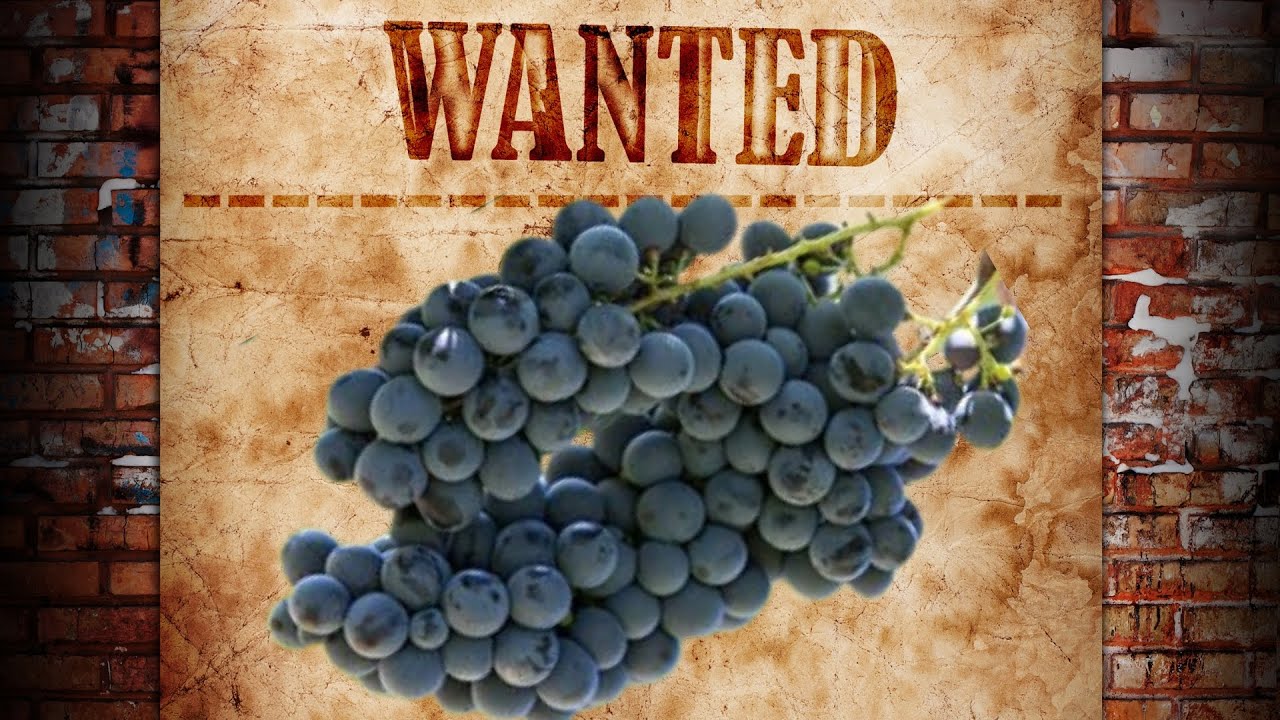
While used to make very delicious wines, once the indigenous Schioppettino grape was illegal to plant in Italy. Explore with us the reasons why, and just how the grape was saved from extinction and why it is now making a comeback in the Indigenous Italian wine scene.
🍷 Click here to buy Vigna Petrussa’s Schioppettinos: https://verovino.com/vigna-petrussa
🍷 Click here to learn about the history of Schioppettino: https://verovino.com/vero-blog/schioppettino-indigenous-rare-italian-red-wine-vigna-petrussa-
🍷 Click here to learn more about Hilde Petrussa, the woman behind Vigna Petrussa: https://verovino.com/vero-blog/woman-winemaker-friuli-italy-vigna-petrussa-italian-wine-interview
🍷 Watch our video about the Schioppettino Grape: https://youtu.be/f6Fr2zl6Hbc
🍷 Watch our video about Tasting 3 Schioppettino Wines: https://youtu.be/mo0Sm4dWNCY
About Vero:
Did you know that less than 1% of wines make it to US retailers’ shelves? At Vero, which means “real” in Italian, we are constantly looking for small production, sustainably made, authentic wines from farmer-artisans not yet present in the US market. Our mission is to create a community of wine and food lovers, small producers and businesses where passion is the common denominator.
ever heard of an outlaw grape well the red Italian variety scatino was once such a grape where producers who planted new Vineyards of it were fined or forced to rip them out and today we’re going to figure out how this grape came to the dire predicament that it found itself in and just how it was saved from Oblivion hi there this is Jaclyn foro where we go around the world hunting for wild and scarce wines that are hard to find in the US and bring them to Wine lovers Across America whether you are consumer or a business distributor and when we heard the story behind scatino we just had to add it to our portfolio but let’s back up a few Paces first scatino is a red grape that’s used to make wine in northeastern Italy specifically frii Vena Julia we’ve covered a lot about this grape recently and even tasted these different versions of scatino in a previous video so go check out those videos for more information I’ll have them linked below and to not miss out on other content like that subscribe to this channel or to our newsletter on vero.com to get updates on the latest and greatest wines and articles and videos from Vero all right scatino is from an area of Frei known as prto nestled against its border with Slovenia this narrow Valley boasts a one-of aind microclimate warm days bathe in sunshine promote ripening in the grapes while the cool nights ensure that they retain their vibrant acidity this delicate balance between ripeness and freshness is a key characteristic of the scatino wine and another key factor in the wine is the unique Ponka soils that are made of chalky clay and sandstone and this lens the scatino its complexity and typical peppery red fruit flavors how is it that this delicious red wine was almost ripped from the land well despite scatino long history in the area and some sources say it can be traced back as far as the 13th century by the early 1900s it was some of the most planted vines in fi and perotto however the two World Wars wrecked havoc on the area and upon the viticulture in the area as well and so many farmers being called to fight their Vineyards fell into disarray when those Vineyards were later replanted many farmers leaned towards fashionable and more Hardy International varieties such as Mero or Cabernet and as we mentioned in our previous video all about the grape and Vine scatino it requires a steady hand to guide its growing and vinification for many it was was just easier to turn towards International varieties and forget the Traditions by the 1970s only a few Vines remained estimated to be around 70 or so and as new wine laws began to rework Italian Vineyards scatino wasn’t even mentioned in the lists of grapes allowed to be planted and because it was not on these lists it was not recognized as a legal variety the local government even put a ban on its planting any producer who planted new scatino Vines would be forced to rip the vines out or pay deep fines some producers like the historic Roni D Chala were able to keep their small amount of already planted and existent Vines hidden and safe and still today in fact they produce scatino wines but fear not because locals rebelled starting a save scatino campaign and finally they were able to overturn the local government’s decision and allow planting and vinification of scatino once again but now it’s time for us to meet the heroin of our story our scatino champion HDE petrusa hild is the second generation of three generational women-owned Winery via petrusa and she fully took over the winery from her mother in the 9s hild wanted to return to Traditions especially that of the scatino grape it was so beloved by her father and heavily missed in the family in fact hild was even a crucial part of the founding of the association of scatino producers of propo and was its first president and with that under her belt hild began replanting scatino across her land crafting the wine in a range of Styles as only a native fulian with scatino in her DNA could we tasted these three scatinos in a previous video so go check that out after this but what is important to note is that hild’s dedication to the grape has paid off an international recognition for her wines and for Via petrusa along with Ron de Chala via petrusa and hilde are often cited and applauded for their part in Saving and excelling the reputation of scatino wines from critics such as iand AATA to organizations such as Gambar Roso and even Awards in Japan viin petrusa scatinos are lotted and searched for and you can taste these wines for yourself too by heading over to ver .c and checking out our lineup of viia petrusa scatinos from the Uncorked rera the classic scatino deotto and the Reserva and even the Pito Perera that I don’t unfortunately have here today but all of these wines are available to be shipped across the US for consumers and businesses can contact us for more distribution information so thank you for joining me today if you found this Underdog tale of scatino as fascinating as I did leave a like down below and remember to subscribe here and to our newsletter on vero.com to stay up toate on all new wines articles and videos I’ll see you in the next video and in the meantime check out the video where we go through and taste three vegan petruso catino wines bye