
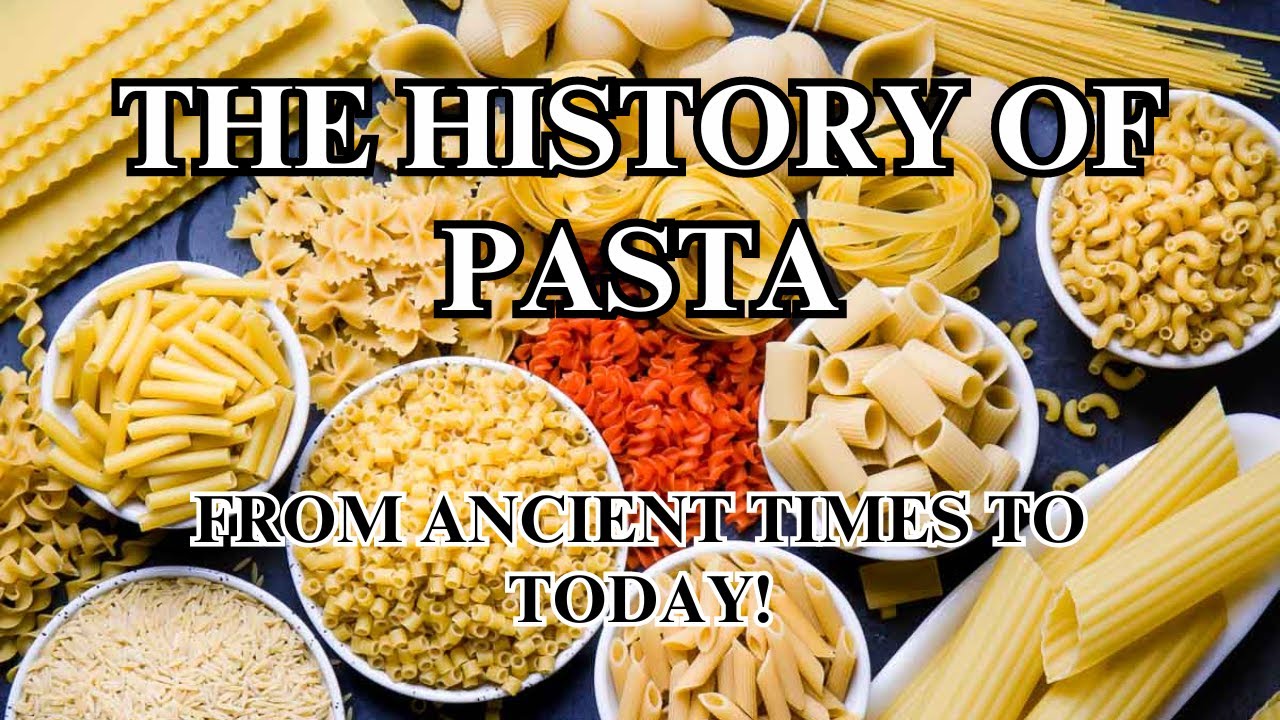
Discover the fascinating history of pasta in our latest video! From its ancient origins in China to its evolution into an Italian culinary staple, we unravel the rich and surprising story of pasta. Join us as we explore how pasta made its way from the fields of ancient China along the Silk Road to medieval Sicily, and eventually to dinner tables around the world. Learn about the cultural exchanges and innovations that shaped this beloved food. Don’t miss out on this delicious history lesson!
Key Highlights:
– The ancient origins of noodles in China
– The role of the Silk Road in spreading noodle-making techniques
– The introduction and adaptation of pasta in Sicily and Italy
– How pasta became a global favorite in modern times
Like, subscribe, and hit the bell icon for more tasty histories and cooking tips. Let us know in the comments your favorite type of pasta and where you think it came from!
Welcome to our culinary exploration of one of the most beloved Foods in the world pasta today we’ll unravel the fascinating history of pasta tracing its roots from ancient China all the way to Italy grab your fork and let’s dig [Music] in our Story begins over 4,000 years ago in ancient China archaeologists discovered the oldest known noodles at a site called logia these noodles made from Millet were found in a well-preserved state offering a glimpse into early Chinese culinary practices in China noodles were a staple made from various grains long before wheat became widespread these early noodles were simple but foundational setting the stage for the development of pasta as we know it the Silk Road an ancient network of trade routes played a crucial role in the dissemination of noodle making techniques from China to the Middle East along these routes Merchants exchanged Goods ideas and culinary Traditions one of the earliest forms of pasta in in the middle uh East was itria a dish mentioned in ancient texts this pasta-like food was enjoyed across various cultures and contributed to the evolving concept of noodles and pasta now let’s travel to Medieval Sicily contrary to popular belief Marco Polo did not introduce pasta to Italy historical records show that pasta existed in Sicily long before Polo’s return from China in the 12th century Sicilian Merchants were already producing and trading a type of dried pasta made from Durham wheat this pasta was known for its long shelf life and was exported across the Mediterranean establishing Sicily as an early hub for Pasta Production during the Renaissance pasta began to flourish throughout Italy the dry climate particularly in regions like Naples was ideal for producing and drying pasta this period saw the emergence of various pasta shapes and recipes as pasta became a beloved Staple in Italian cuisine pasta was not just food it was a cultural phenomenon artists writers and Scholars of the time documented and celebrated pasta embedding it deeply into Italian Heritage the Industrial Revolution brought significant advancements to Pasta Production with the invention of machines that could need and shape pasta dough production scaled up dramatically factories began producing pasta on a much larger scale making it more accessible to the masses Italian immigrants carried their love for pasta to new lands particularly to the United States where pasta began to adapt to new cultural contexts and culinary influences today pasta is enjoyed worldwide with each culture adding its unique Twist from spaghetti Boles to pad tie the versatility of pasta makes it a universal favorite Innovations like gluten-free and plant-based pasta show how this ancient food continues to evolve despite its Global reach the essence of pasta remains rooted in its Rich history from ancient Chinese noodles to its iconic status in Italian cuisine from the fields of ancient China to your dinner plate pasta’s story is a testament to human Ingenuity and cultural exchange thanks for joining us on this culinary Adventure don’t forget to like subscribe and hit the Bell icon for more delicious histories until next time happy cooking dudes