
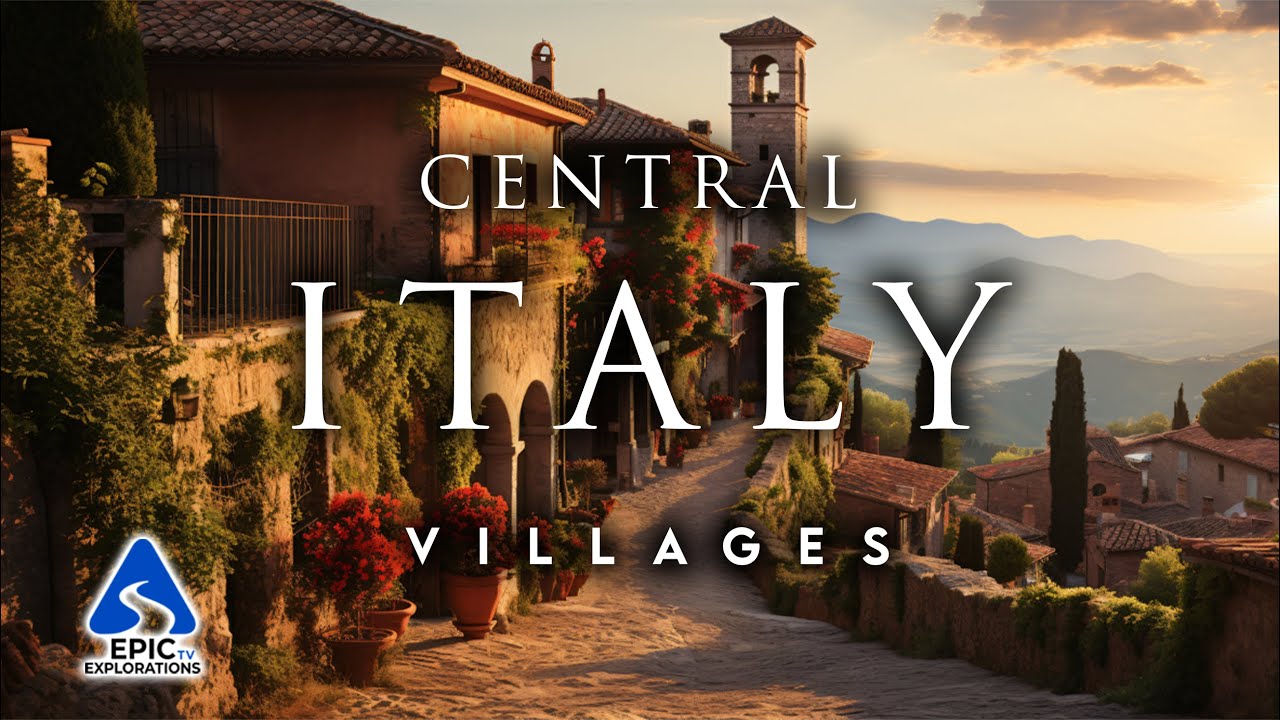
Join us as we explore the 50 most beautiful villages in Central Italy in this 4K video.
If you’re passionate about traveling in Italy and tourism and looking for the best places to visit in Italy, this travel guide is perfect for you. Discover the wonders of Tuscany, Lazio, Marche, Abruzzo, and Umbria, regions rich in history, culture, and breathtaking landscapes.
In Tuscany, we’ll take you to Volterra, famous for its Etruscan history, and San Gimignano, with its medieval towers. Admire the charm of Pitigliano and get lost in the alleys of Montepulciano. Discover the romance of Montalcino and the timeless beauty of Monteriggioni. Don’t forget to visit Anghiari, Cortona, Sovana, Pienza, Capalbio, Certaldo, and San Quirico d’Orcia.
In Lazio, we’ll explore Civita di Bagnoregio, a village perched on a hill that seems suspended in time. Visit Bolsena with its picturesque lake, Calcata and its tuff houses, and the historic Castel Gandolfo. Immerse yourself in the atmospheres of Tarquinia, Subiaco, Sperlonga, Nemi, Sermoneta, and Vitorchiano.
Marche awaits you with Gradara, a fairytale village with a fascinating castle, and Montecassiano, with its medieval architecture. Discover Offida and its characteristic historic center, and be enchanted by Urbino, the cradle of the Renaissance. Visit Recanati, the birthplace of Leopardi, and enjoy the beaches of Numana. Don’t miss Treia, Corinaldo, and Sirolo, with their spectacular views.
In Umbria, we’ll guide you through the wonders of Orvieto, famous for its Duomo, and Gubbio, with its ancient architecture. Explore Assisi, the home of St. Francis, and Spoleto, with its Festival of Two Worlds. Visit Montefalco and its fine wines, and get lost in the streets of Spello and Todi. Discover Bevagna, Deruta, Panicale, and their artisan traditions.
Although Abruzzo is not strictly part of Central Italy, it is included for geographical proximity. Discover Calascio, with its castle overlooking the mountains, and Scanno, a picturesque village surrounded by greenery. Explore Tagliacozzo, Santo Stefano di Sessanio, and Pescocostanzo, with their traditional architecture. Visit Sulmona, famous for its confetti, and Opi, immersed in the Abruzzo National Park. Discover Abbateggio and its stone houses.
This virtual tour will make you fall in love with Italy’s most beautiful villages. Be inspired for your next trip to Italy and find out what to see in Central Italy.
Subscribe to our channel for more travel guides to Italy and don’t forget to leave a like and comment with your favorite village!
DISCAIMER: Abruzzo is included in this video for geographical proximity, although it may be considered part of Southern Italy, to provide a better distribution of villages between north, central, and south.
#MostBeautifulVillagesInItaly #BestPlacesToVisitInItaly #Italy #Italy4K #TravelInItaly #TravelGuideToItaly #Tourism #Villages #ItalianVillages #ThingsToSeeInItaly #SmallItalianVillages #VillagesInCentralItaly #CentralItaly #Tuscany #Marche #Abruzzo #Lazio #ValDOrcia
If you’re looking for an activity to do in these destinations, or you are seeking something customized like tours, excursions, guided visits, useful tips, etc., you can book your experiences through this link, receive a discount, and help this channel grow: getyourguide.it?partner_id=GKISS7X&utm_medium=online_publisher
To catch all our videos: @EpicExplorationsTVEnglish
If you enjoyed the video, please leave a like and subscribe to the channel! It’s a simple act for you, but it means the world to us!
TIMELINE
00:00 Introduction
01:41 Volterra, Tuscany
03:13 Civita di Bagnoregio, Lazio
04:50 Gradara, Marche
06:18 Orvieto, Umbria
07:55 Montecassiano, Marche
09:08 Calascio, Abruzzo
10:57 Pitigliano, Tuscany
12:37 Bolsena, Lazio
14:04 Scanno, Abruzzo
15:41 Calcata, Lazio
17:08 Montepulciano, Tuscany
18:39 Gubbio, Umbria
20:10 San Gimignano, Tuscany
21:43 Anghiari, Tuscany
23:09 Montefalco, Umbria
24:40 Offida, Marche
26:09 Assisi, Umbria
27:55 Montalcino, Tuscany
29:18 Spoleto, Umbria
30:43 Tagliacozzo, Abruzzo
32:08 Castel Gandolfo, Lazio
33:13 Cortona, Tuscany
34:29 Spello, Umbria
35:46 Sovana, Tuscany
37:07 Urbino, Marche
38:24 Todi, Umbria
39:45 Tarquinia, Lazio
41:26 Subiaco, Lazio
43:01 Santo Stefano di Sessanio, Abruzzo
44:47 Vitorchiano, Lazio
46:31 Bevagna, Umbria
47:57 Deruta, Umbria
49:31 Sperlonga, Lazio
51:00 Nemi, Lazio
52:07 Treia, Marche
53:48 Pienza, Tuscany
55:25 Monteriggioni, Tuscany
57:07 Sermoneta, Lazio
58:34 Recanati, Marche
01:00:18 Numana, Marche
01:01:45 Corinaldo, Marche
01:02:56 Pescocostanzo, Abruzzo
01:04:30 Sulmona, Abruzzo
01:05:42 Certaldo, Tuscany
01:07:12 Abbateggio, Abruzzo
01:08:51 Panicale, Umbria
01:10:11 San Quirico d’Orcia, Tuscany
01:11:52 Sirolo, Marche
01:13:16 Capalbio, Tuscany
01:14:54 Opi, Abruzzo
Imagine a place where every path reveals ancient stories, and every view looks like a painting crafted by nature and time. Welcome to central Italy, a crossroads of culture, history, and breathtaking natural landscapes. Here, amidst the rolling Tuscan hills, the rugged Abruzzo mountains, and the serene Umbrian countryside, time seems to flow more slowly, inviting anyone passing through to pause, relax, and savor every moment. From the authentic taste of local dishes, rich in flavors that tell the story of their land, to the art cities hosting some of the greatest Renaissance masterpieces, central Italy is a feast for the senses. In this video, we will take you on a journey through the 50 most beautiful villages of central Italy, selected to showcase the most authentic essence of this land. Get ready to travel through villages, landscapes, and traditions that live on through time. Number 1. Volterra In the heart of Tuscany, Volterra is a gem perched on a hill overlooking the surrounding landscape. Its history spans over 3000 years, influenced by the Etruscans, Romans, and the Middle Ages. Entering through the ancient city gates, you are immediately welcomed by the charm of its Etruscan walls, among the oldest in Italy. The historic center is a journey through time, with its Cathedral, the Baptistery, and the imposing Palazzo dei Priori, one of the oldest town halls in Italy. Don’t miss the opportunity to visit the Etruscan acropolis and the Roman theater, places that tell stories of past civilizations. Additionally, the alabaster craft shops, typical of the area, offer a unique experience to discover ancient working techniques passed down through generations. Number 2. Civita di Bagnoregio Known as the dying city due to the continuous erosion of the tuff hill it stands on, Civita di Bagnoregio is a unique experience, accessible only via a pedestrian bridge. This medieval village, founded by the Etruscans more than 2500 years ago, seems suspended in time and space, offering spectacular views of the Calanchi Valley. Its narrow streets, lined with stone houses and flowers at the windows, lead to the main square, where the Church of San Donato stands. Here, time seems to stop, and the tranquil atmosphere invites tourists to slow down, fully immersing themselves in the peace that this place offers. Number 3. Gradara Gradara represents one of the most romantic scenes in Italian tradition, the setting of the tragic love story between Paolo and Francesca, immortalized by Dante in the Divine Comedy. The castle, with its mighty walls and majestic tower, dominates the entire village and offers an enchanting view of the Adriatic Riviera. Moreover, walking along the medieval walls, you can enjoy a panorama that stretches to the sea, while the village’s alleys, with their artisan shops and typical taverns, invite you to discover the flavors of Marche cuisine. A visit to the castle provides a plunge into medieval history, with furnished rooms that tell the daily life of the era and the legend of Paolo and Francesca resonating among the ancient walls. Number 4. Orvieto Orvieto, situated on an imposing tuff cliff in the heart of Umbria, is a village known for its extraordinary Cathedral, one of the masterpieces of Gothic architecture in Italy. The façade, adorned with sparkling mosaics and elaborate sculptures, welcomes visitors into a world of art and history. Beyond the Cathedral, Orvieto offers underground labyrinths dug during the Etruscan era, a fascinating adventure to discover cisterns, wells, and hidden caves. Another attraction is the streets of the historic center, a succession of artisan shops, wine bars, and restaurants where you can savor typical Umbrian products, such as Orvieto DOC wine. Number 5. Montecassiano A small yet enchanting village in the Marche region, Montecassiano offers a panoramic view of the surrounding countryside that is pure poetry. Its medieval walls enclose history and beauty, with ancient gates revealing characteristic squares and historic buildings. The Church of San Giovanni and San Stefano, with its splendid Gothic portal, is a true architectural gem. Additionally, walking through the narrow stone streets, you can breathe an atmosphere from another era, ideal for those seeking tranquility and authenticity. Number 6. Calascio Calascio is renowned primarily for Rocca Calascio, one of the highest fortresses in Italy and a film set for movies such as Ladyhawke. This ancient castle, located at over 1400 meters altitude, offers breathtaking views of the surrounding mountains and the Gran Sasso and Monti della Laga National Park. The village itself is a small gem of medieval architecture, with narrow streets and stone houses that tell stories of bygone times. It is an ideal place for trekking and photography enthusiasts, thanks to its panoramas and almost mystical tranquility. Number 7. Pitigliano Perched on a massive tuff cliff, Pitigliano is a village that seems sculpted from the very rock it stands on. Also known as Little Jerusalem due to its historic Jewish community, the village offers a journey through different eras and cultures. Its narrow streets and stone arches lead to fascinating discoveries such as the Jewish quarter, with its synagogue and cellars carved into the rock. The view of the houses emerging from the rock is a true spectacle of nature, while the medieval alleys are rich in history and mystery. Pitigliano is also famous for its white wines, particularly the Bianco di Pitigliano, which can be tasted in the numerous wine shops in the village. Number 8. Bolsena On the shores of the eponymous lake, the largest volcanic lake in Europe, Bolsena enchants with its tranquil beaches and crystal-clear waters, ideal for a day of relaxation or for water activities such as swimming and sailing. The historic village is dominated by the Monaldeschi Castle, which offers a panoramic view of the lake and surroundings. The churches and chapels scattered throughout Bolsena reflect the deep spirituality of the place, culminating in the Eucharistic miracle of 1263, which inspired the feast of Corpus Christi. Food lovers can also delight in dishes based on lake fish, prepared according to ancient local recipes. Number 9. Scanno In the heart of the Abruzzo, Lazio, and Molise National Park, Scanno offers an incredible portrait of traditional mountain life. Known for its narrow streets and stone houses with tiled roofs, the village is set in a landscape of extraordinary beauty. Tourists can explore nature trails that offer spectacular views of the surrounding mountains and the famous heart-shaped lake. Scanno is also renowned for its craftsmanship, particularly in gold and wrought iron work. Lastly, the traditional Scanno costume, still worn during festivals and special events, is a cultural icon that fascinates anthropologists and folklore enthusiasts. Number 10. Calcata Perched on a tuff spur and surrounded by dense forest, Calcata is a small village that seems suspended in time. Known for its bohemian spirit, the village has attracted artists, writers, and creatives over the years, transforming into a vibrant center of contemporary art. Its narrow cobbled streets offer rustic glimpses and lead to art galleries, artisan shops, and unique cafes. Local legend has it that the Holy Prepuce of Christ was kept here until the 20th century, adding a touch of mysticism to the village’s charm. Calcata undoubtedly offers an escape from everyday reality, a place where nature and art blend in perfect harmony. Number 11. Montepulciano Famous for its Nobile wine, Montepulciano is an elegant Tuscan village perched on a hill, offering spectacular views over the Val d’Orcia and Val di Chiana. Strolling along the main street means discovering Renaissance palaces, ancient churches, and historic cellars where you can taste the famous wine directly from the producers. Piazza Grande is the heart of the village, surrounded by magnificent buildings like the Palazzo Comunale and the Cathedral of Santa Maria Assunta, which bear witness to the rich history of the place. This village not only delights the palate with its wine but also enchants with its architectural beauty and relaxed atmosphere. Number 12. Gubbio Gubbio is one of the oldest medieval villages in Umbria, known for its authentic atmosphere and well-preserved traditions. The historic center is a maze of ancient streets that climb steeply up to the Palazzo dei Consoli, an imposing Gothic structure that dominates the city. Every year, the village hosts the Festa dei Ceri, a folkloric event where citizens run through the streets carrying enormous candles in a race of strength and faith. Additionally, the Basilica of Sant’Ubaldo, located atop the hill with a view over the valley, is a place of pilgrimage and profound spiritual significance. Number 13. San Gimignano Known as the Manhattan of the Middle Ages for its famous medieval towers that rise imposingly over the Tuscan landscape, San Gimignano is an architectural symbol. This village is also renowned for the impeccable preservation of its historic center, offering tourists an authentic medieval experience. The stone squares and streets are lined with historic palaces and small shops selling local products, including the celebrated local white wine, Vernaccia di San Gimignano. Art is present in every corner, with frescoes and artworks adorning the churches and museums of the village, telling stories of centuries past. Number 14. Anghiari Anghiari, nestled among the green valleys of Tuscany, represents one of the region’s hidden gems. Famous for the Battle of 1440, which Leonardo da Vinci immortalized in a lost painting, today the village maintains a quiet charm that invites slow and reflective exploration. Its medieval walls enclose a labyrinth of narrow streets and ancient squares. The village boasts significant textile craftsmanship, with shops producing and selling traditional fabrics like the Tela di Anghiari. Exploring this small village also means enjoying local gastronomy, with dishes based on mushrooms, truffles, and meats from the surrounding forests. Number 15. Montefalco Known as the balcony of Umbria, Montefalco offers a panoramic view that encompasses the entire valley below, from lush vineyards to churches scattered in the countryside. This village is famous for Sagrantino, a robust red wine appreciated internationally, produced exclusively in the area. The village’s wineries invite you to memorable tastings, where you can also discover other local products like olive oil and truffles. Additionally, art plays a fundamental role in the village’s culture, with the Museum of San Francesco hosting important frescoes, offering a window into Umbria’s rich artistic history. Number 16. Offida Offida, a charming village in the Marche region nestled among gentle hills, is renowned for its rich artisanal heritage, particularly its bobbin lace, a traditional technique passed down through generations. Strolling through the historic center, you can admire skilled artisans working with filigree in front of their homes, creating delicate textile masterpieces. The village, with its imposing Church of Santa Maria della Rocca, a splendid example of Romanesque-Gothic architecture, dominates the surrounding landscape and offers unique panoramas of the Marche. Number 17. Assisi Assisi, a name that evokes images of peace and spirituality, is universally known as the city of Saint Francis, the saint who founded the Franciscan order and is revered worldwide as a symbol of humility and love for nature. The Basilica of Saint Francis, a UNESCO World Heritage site, is an artistic treasure, famous for Giotto’s frescoes depicting the life of the saint. The village is not only a center of religious pilgrimage but also offers extraordinary architectural beauties, such as the Temple of Minerva in Piazza del Comune and the medieval fortresses that provide enchanting views of the Umbrian valley. Number 18. Montalcino Situated in an elevated position in the idyllic Tuscan hills, Montalcino is a paradise for wine lovers, renowned worldwide for its Brunello di Montalcino, one of Italy’s most prestigious wines. This medieval village, surrounded by ancient walls and dominated by an imposing fortress, offers panoramic views of vineyards stretching as far as the eye can see. Besides wine, Montalcino captivates tourists with its artistic heritage, including beautiful churches and museums showcasing sacred art and paintings by local masters. The village streets, with their shops and taverns, invite you to discover the authentic flavors of Tuscan cuisine. Number 19. Spoleto Spoleto, an ancient Umbrian village, is enveloped in an atmosphere rich in history and culture. Famous for the Festival of Two Worlds, an event that unites art, music, and theater, it attracts tourists from all over the world. The Spoleto Cathedral, with its splendid mosaic facade and interiors housing precious works of art, is a focal point of artistic beauty. Equally impressive is the Ponte delle Torri, a majestic Roman aqueduct offering spectacular views of the gorge below. Spoleto is also a hub for regional cuisine, with local truffles and olive oils that are a true celebration for the palate. Number 20. Tagliacozzo Situated in the mountainous region of Abruzzo, Tagliacozzo is a village that enchants with its medieval elegance. Piazza dell’Obelisco is the vibrant heart of the village, a perfect example of medieval architecture, surrounded by ancient palaces that evoke stories from a bygone era. The Talia Theater, one of the oldest in the region, is a cultural and historical gem. Tagliacozzo is a place of peace and tranquility, where traditions blend with natural beauty, offering walks and excursions in the surrounding national parks. Number 21. Castel Gandolfo Castel Gandolfo, known for being the summer residence of the Popes, is idyllically located on the shores of Lake Albano. In addition to the papal palace, the village offers enchanting views of the lake and a serene environment for relaxation. The well-maintained gardens and elegant villas provide a picturesque backdrop to this little paradise. The village is also famous for its restaurants that serve fresh lake fish, offering a culinary experience that perfectly combines local cuisine with the splendid lakeside view. Number 22. Cortona Perched on a hill overlooking the Val di Chiana, Cortona is a charming Tuscan village rich in Etruscan and medieval history. Its steep, cobbled streets lead to typical squares, ancient churches, and museums housing priceless artworks, including the Diocesan Museum. The local cuisine also offers great delights, such as bistecca alla fiorentina and pici, a type of handmade pasta, perfect after a day of exploration. Number 23. Spello Known for its magnificent flowers and the Infiorata celebrations, Spello is another Umbrian gem, with Roman origins still reflected in its ancient walls, gates, and amphitheater. The village streets are a riot of color, with flower pots adorning every corner and facade. Spello is also renowned for its olive oil, among the best in Umbria, which can be tasted in the numerous mills open to the public. The churches, especially the Church of Santa Maria Maggiore, are famous for their splendid Pinturicchio frescoes, attracting art enthusiasts from all over the world. Number 24. Sovana In the heart of the Tuscan Maremma, Sovana is a small village that feels like an open-air museum. Famous for its Etruscan archaeological sites, including impressive tombs carved into tuff and evocative archaeological trails, Sovana offers a journey back in time to discover this ancient civilization. The village is dominated by the Cathedral of San Pietro and Paolo, an excellent example of Romanesque architecture. The tranquility and authenticity make it the perfect place for those seeking an escape from the daily hustle, allowing for a deep immersion in history and nature. Number 25. Urbino More than a village, Urbino is a small Renaissance city in the Marche region, universally recognized as a center of great cultural importance, earning it a UNESCO World Heritage designation. It is the birthplace of Raphael, and the house where the painter was born is now a museum dedicated to his life and works. Strolling through its narrow streets, one can breathe the air of a time when this city was a reference point for art and culture in Europe. Number 26. Todi In the green heart of Umbria, Todi rises on a hill overlooking the Tiber River. This medieval village is surrounded by walls that preserve an ancient charm and a nearly mystical peace. Piazza del Popolo, located in the center of the village, is one of the most harmonious medieval spaces in Italy, surrounded by historic buildings such as the Palazzo del Popolo, the Palazzo dei Priori, and the Cathedral. The town is also known for its hospitality, with numerous cafes, restaurants, and shops offering local products and traditional dishes, allowing visitors to savor true Umbrian cuisine. Number 27. Tarquinia Nestled in the heart of Etruria, Tarquinia is an authentic gem that holds the secrets of the ancient Etruscan civilization. This town, rich in history, is not merely an archaeological site but a living place where past and present intertwine harmoniously. Its streets today are a stage for strolling among historic buildings and small artisan shops, offering a daily glimpse into the life of a typical Italian village. Moreover, the historic center features characteristic views and the chance to immerse oneself in a timeless dimension, making every visitor feel part of a long history that continues to live through its streets and squares. Number 28. Subiaco Nestled in the lush mountains east of Rome, Subiaco is a haven for those seeking both spiritual comfort and natural beauty. The town is famous for its monastic history, particularly for the Monastery of Saint Benedict, where the saint lived and wrote the Benedictine Rule. Visitors can explore this ancient sanctuary, admiring the early Christian frescoes and the cave where the saint resided. The town’s winding streets and traditional stone houses offer a glimpse of Roman life, while the surrounding mountains provide ample opportunities for hiking and enjoying the serene landscape. Number 29. Santo Stefano di Sessanio A fortified medieval village in Abruzzo, Santo Stefano di Sessanio captivates visitors with its resilience and timeless beauty. This small village, perched atop a hill offering panoramic views of the Gran Sasso mountains, is an extraordinary example of architectural preservation and rural charm. Known for its lentils and other artisanal products, Santo Stefano di Sessanio is an ideal destination for those interested in sustainable tourism and wanting to experience an authentic Italian hilltop village. The narrow stone streets and restored medieval structures provide a backdrop for a peaceful retreat into Italy’s past. Number 30. Vitorchiano A stone’s throw from Viterbo, Vitorchiano stands out for its impressive medieval architecture and unique Moai statues, which pay homage to the town’s ancient stone-working tradition. This village is surrounded by lush vegetation and imposing cliffs, making it a distinctive spot for nature lovers. It is also renowned for its residents’ mastery in working peperino stone, used in many of its historic buildings. Tourists can stroll through the ancient streets, enjoy local cuisine in the numerous trattorias, and explore nearby nature trails that offer beautiful views of the surrounding landscape. Number 31. Bevagna In the heart of Umbria, Bevagna captivates tourists with its enchanting medieval center. This village, known for its annual medieval market, offers a glimpse into the life and traditions of the 12th century. Walking along the cobbled streets, visitors encounter artisan shops and admire perfectly preserved historical buildings such as the Roman Theater and the Church of San Silvestro. The main square, surrounded by historic palaces, is a lively place for gatherings and cultural events, ideal for experiencing the true Umbrian atmosphere. Number 32. Deruta Famous worldwide for its ceramics, Deruta is a small Umbrian town where the art of pottery has been perfected for centuries. Tourists can explore numerous workshops and showrooms where they can watch artisans at work, creating intricate hand-painted decorations that have made this town famous. The Regional Ceramics Museum also displays an extensive collection tracing the history of local ceramics, showcasing pieces from the Middle Ages to the present day. Besides the art, Deruta offers rustic views and a welcoming atmosphere, inviting visitors to leisurely discover every corner of the village. Number 33. Sperlonga Situated between Rome and Naples along the Tyrrhenian coast, Sperlonga is a seaside village with white beaches and clear waters. The historic center, with its narrow alleys and whitewashed houses, resembles Greek island villages and offers stunning sea views. The Cave of Tiberius, an archaeological site housing the remains of a Roman villa and ancient sculptures, adds another layer of history to this already fascinating village. Sperlonga is an ideal destination for those seeking a combination of natural beauty, history, and seaside relaxation. Number 34. Nemi Known as the Pearl of the Castelli Romani, Nemi is famous for its small, sweet strawberries and the volcanic lake it overlooks. The village is nestled in a naturally beautiful landscape, offering wonderful views of the eponymous lake. Strolling through the stone streets, visitors can discover small shops selling jams and strawberry-based products. Every year, Nemi celebrates the Strawberry Festival, attracting visitors eager to taste these delights in a festive setting. Number 35. Treia Famed for its rich Renaissance and Baroque architecture, Treia is an essential destination for history and art enthusiasts. Nestled among gentle hills, this charming Marche town offers enriching cultural tours and stunning panoramic views of the surrounding landscape. The historic center is marked by elegant squares and majestic historical buildings, such as Palazzo Spada, which now serves as a cultural center hosting exhibitions and various events. Additionally, Treia is an ideal starting point for venturing into nearby countrysides and villages, exploring local traditions and pristine nature. Number 36. Pienza Known as the ideal Renaissance city, Pienza was transformed by Pope Pius II in the 15th century according to the principles of Renaissance urban planning. The result is a harmonious and proportionate village, with the central square surrounded by architecturally significant buildings such as the Duomo, Palazzo Piccolomini, and Palazzo Borgia. The village is also famous for its pecorino, a sheep’s cheese that can be tasted in numerous cheese shops scattered throughout the village. Walking through the streets, you can admire splendid views of the Val d’Orcia, a landscape so picturesque that it has been included among UNESCO World Heritage sites. Number 37. Monteriggioni Monteriggioni is an exceptional example of a fortified medieval village, with its intact walls and towers majestically guarding the surrounding Tuscan countryside. This small village, often mentioned in Dante Alighieri’s Divine Comedy, is immersed in an atmosphere of yesteryears, where every stone tells stories of medieval battles and daily life. Walking along the walls, you can enjoy a panoramic view of the vineyards and olive groves that define the region’s landscape. Monteriggioni also hosts various medieval events and festivals, with historical reenactments and traditional markets. Number 38. Sermoneta Sermoneta, with its imposing castle and cobbled streets winding among medieval buildings, is one of Lazio’s best-preserved gems. The Caetani Castle, which dominates the village from above, is a historical landmark offering a glimpse into noble life and past conflicts. The churches and palaces of Sermoneta are rich in artworks and frescoes, narrating centuries of religious and cultural history. This village is not only an artistic treasure but also a vibrant center of music and literature, hosting festivals and cultural events that attract artists and intellectuals from around the world. Number 39. Recanati Recanati is famous for being the birthplace of Giacomo Leopardi, one of Italy’s greatest poets. Strolling through this small village means following in Leopardi’s footsteps, visiting places that inspired some of his most famous poems, such as the Colle dell’Infinito. The historic center is a network of medieval streets, intimate squares, and historic palaces, where every corner seems to evoke poetry and music. The Leopardian Museum preserves manuscripts, rare editions, and personal mementos of the poet, making this village a must-visit for lovers of Italian literature. Number 40. Numana Located on the Conero Riviera in the Marche region, Numana is a beautiful seaside village with a history dating back to the Picene and Roman eras. Its white pebble beaches and the crystal-clear waters of the Adriatic Sea offer postcard-perfect scenery, ideal for those seeking relaxation by the sea or wanting to engage in water sports such as windsurfing and sailing. The ancient port and historic center, with their pastel-colored houses, create a rustic and characteristic atmosphere like few other villages. The area is also renowned for its gastronomy, particularly seafood, which can be enjoyed in the small restaurants overlooking the sea. Number 41. Corinaldo Corinaldo is a well-preserved medieval village with imposing walls that offer one of the most complete visions of medieval defense in Italy. Walking along its streets, you can admire the Renaissance and medieval architecture that defines the urban landscape, including the Polenta Well and the Municipal Theater. Corinaldo is also famous for its annual Halloween festival, which transforms the village into a magical festive scene, attracting tourists from all over Italy. Spirituality is another important aspect, with the town celebrating its patron saint, Santa Maria Goretti, with great devotion and festivities. Number 42. Pescocostanzo In the heart of the Majella National Park in Abruzzo, Pescocostanzo is a mountain village that offers a unique mix of natural beauty and historical heritage. It is a paradise for sports enthusiasts, with ski slopes winding through the woods and mountains of the region. The village itself is an architectural jewel, with Baroque and Renaissance influences, including the Church of Santa Maria del Colle and the San Nicola complex. Pescocostanzo is also known for its artisanal traditions, particularly wrought iron and weaving, which can be discovered by visiting local workshops. Number 43. Sulmona Located in the Abruzzo region, this historic village is known for its ancient traditions in the production of confetti, the famous sugar-coated almonds that have become a symbol of Italian celebrations. one of the largest arcaded squares in Italy, where the colorful weekly market and the famous jousting tournament, Giostra Cavalleresca, are held. The town is also surrounded by a mountainous landscape that is not to be missed, offering hiking and nature trails, such as those in the Majella National Park. Number 44. Certaldo located in the heart of Tuscany, Certaldo is the birthplace of Giovanni Boccaccio, a famous Italian poet. This medieval town is divided into the lower, more modern part, and Certaldo Alto, the ancient part, accessible by a funicular. Certaldo Alto is a well-preserved village, with cobbled streets, historic palaces, and a magical atmosphere that takes you back in time. The House of Boccaccio, now a museum, and the Church of San Michele and San Jacopo are two of the main attractions. Additionally, during the summer, the village hosts "Mercantia," one of the largest international street theater festivals, transforming its streets into a lively and colorful stage. Number 45. Abbateggio Located in the magical setting of the Majella National Park, Abbateggio is known as one of the Most Beautiful Villages in Italy. This enchanting place preserves a heritage of rural architecture, with houses built of local limestone that blend perfectly with the natural landscape. It is also famous for its olive oil production and pecorino cheeses, made using traditional methods passed down through generations. Traditional festivals and local fairs are not to be missed, as they offer tourists the opportunity to immerse themselves in local customs and savor typical Abruzzese cuisine. Number 46. Panicale Situated on the hills overlooking Lake Trasimeno, Panicale is an Umbrian gem that encapsulates art, history, and magnificent views. This walled village, with its picturesque squares and cobblestone alleys, is an open-air museum. It is also the ideal starting point for excursions in the Lake Trasimeno Natural Park and for gastronomic explorations, with dishes based on lake fish and locally produced extra virgin olive oil. Number 47. San Quirico d’Orcia Located in the heart of the Val d’Orcia, a UNESCO World Heritage site, San Quirico d’Orcia is a charming Tuscan village that encapsulates the essence of the Italian Renaissance landscape. Characterized by elegant gardens, Romanesque churches, and strictly stone-paved streets, the village is an ideal starting point for exploring the Tuscan countryside, famous for its rolling hills and cypress trees. Tourists can also enjoy the nearby natural hot springs and savor locally produced wine and olive oil, making this area a true paradise for gourmets. Number 48. Sirolo Sirolo, situated on the Riviera del Conero in the Marche region, is a true gem, combining the beauty of its white beaches and clear waters with a charming historic center. This village offers stunning panoramas and hidden coves accessible only via trails immersed in Mediterranean scrub. The historic center of the town, with its narrow streets and welcoming squares, is the perfect place to savor the flavors of Marchigiana cuisine, especially dishes based on fresh fish. Additionally, Sirolo is an ideal starting point for excursions in the Conero Park, whether on foot or by bicycle. Number 49. Capalbio In southern Tuscany, Capalbio is a village that captivates with its charm and traditions. With its medieval walls embracing the town and spectacular views of the Maremma countryside and the Tyrrhenian Sea, it offers an authentic and relaxed atmosphere. This village is perfect for those who wish to immerse themselves in rural Tuscan life, strolling through its narrow streets and discovering characteristic corners. It is surrounded by unspoiled nature, ideal for hiking, trekking, and horseback riding, offering an immersive green experience. Number 50. Opi Opi is a small mountain village nestled in the Abruzzo, Lazio, and Molise National Park, one of Italy’s oldest protected areas. This picturesque village is characterized by an almost magical tranquility, with narrow streets and ancient stone houses overlooking spectacular views of the surrounding mountains. It is an ideal retreat for nature and wildlife lovers, being a prime spot for observing bears, wolves, and eagles. Sports activities here include trekking, mountain biking, and cross-country skiing in the winter.
6 Comments
Cosa vuoi dire…
No words for this beauty 😮😍
Assassins Creed 2
Very very beautiful nature 🥰🌹
Thank you my dear friend 🥰🌹😍
Hi. New subscriber. Live love your vídeos. Very beautiful ❤😍👏👏👍