
Our books
“Early Italian Recipes. Cereals, Bread, Pasta, and Pies”
English https://www.amazon.com/dp/B0CMKBXSV1
Italiano https://www.amazon.it/dp/B0CMKM4H5D
“Early Italian Recipes. Vegetables, fruit, herbs, and flowers”
English https://www.amazon.com/dp/B0B4T8VPFQ
Italiano https://www.amazon.it/dp/B0B4V32FHR
“Ancient Roman Cooking”
English https://www.amazon.com/dp/B08LHG6RR5
Italiano https://www.amazon.it/dp/B08LHF72ZR
“Libro de la Cocina. Medieval Tuscan Recipes”
English https://www.amazon.com/dp/B0BMQQ6SFY
Italiano https://www.amazon.it/dp/B0BNG5J9MF
“Registrum Coquine. A Medieval Cookbook”
English https://www.amazon.com/dp/B0953XLBS3
Italiano https://www.amazon.it/dp/B0953YCJSJ
“De Observatione Ciborum. Early-medieval recipes at the court of the Franks”
English https://www.amazon.com/dp/B09K83NMXJ
Italiano https://www.amazon.it/dp/B09K821LYC
Check out our Patreon page
https://www.patreon.com/historicalitaliancooking
or just buy us a beer
https://www.buymeacoffee.com/historyandfood
Check out our merchandise
https://teespring.com/stores/historical-italian-cooking
Today we prepare ancient Roman puls tractogalata, a pasta dish with lamb from the 5th book of De Re Coquinaria.
Ingredients:
flour
milk
lamb
honey
salt
Pork stuffed with tracta https://youtu.be/dp-Hw9TPGSs
Minutal Terentinum https://youtu.be/xlDSUttS3-o
Copadia https://youtu.be/8id2C0keciM
Placenta https://youtu.be/tBIzqW_qp1Q
For more info about this recipe check out our blog: http://historicalitaliancooking.home.blog/english/recipes/puls-tractogalata-ancient-roman-pasta-with-lamb
If you liked the music on this video check our music and art channel: https://www.youtube.com/user/LiliumAeris
__
Music by Lilium Aeris
Andrea Tuffanelli – tympanum
Serena Fiandro – flute
First Delfic Hymn – Athenaeus 128 BCE
#ancientrome #ancientromanrecipe #ancientromanfood
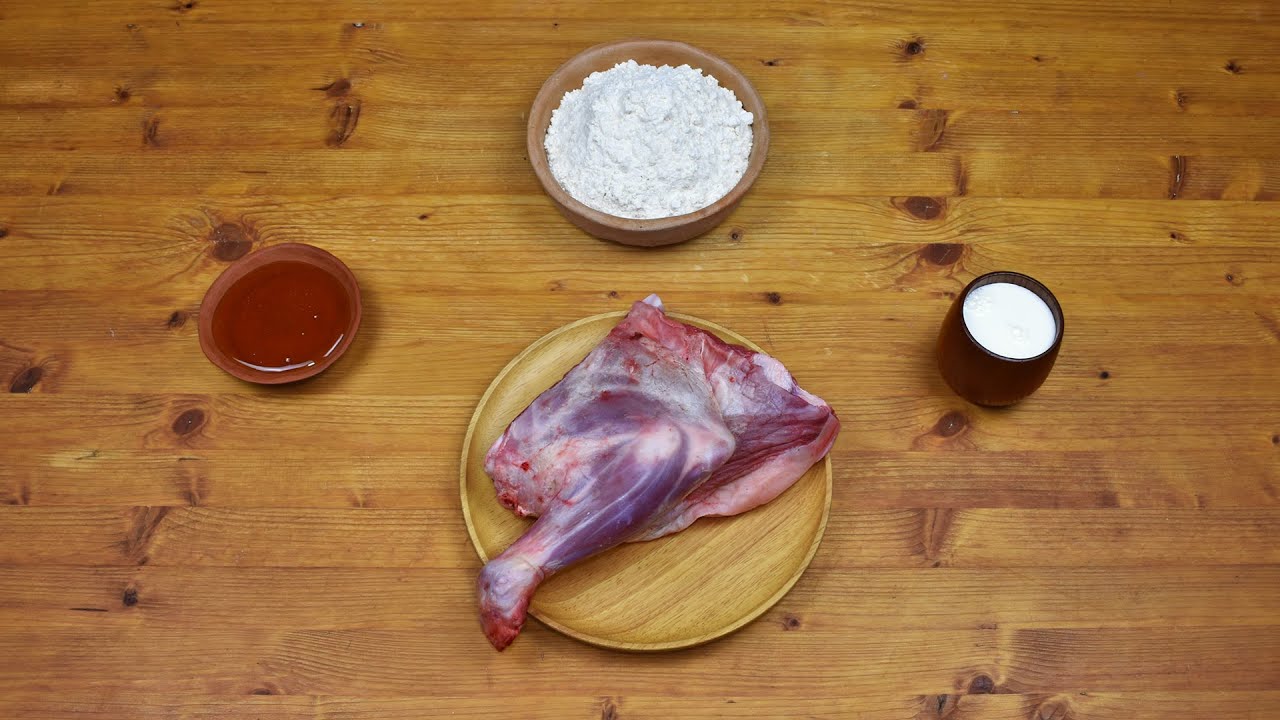
Welcome to our kitchen. Today we prepare ancient Roman puls tractogalata, a pasta dish with lamb from the 5th book of De Re Coquinaria. We start with the ingredients. We need flour, milk, lamb, and honey.
We line a pan with bay laurel leaves, arrange the lamb, and cook it in the oven with a bit of olive oil and a good amount of salt. There are no instructions on how to cook the lamb. The author only writes to serve this puls on agnina, which is lamb meat.
We chose a very simple roast to enhance the flavor of the pasta, but there are other possibilities, such as preparing a lamb copadia, which is stewed meat cut into pieces.
Puls tractogalata is a dish made with tracta, which is ancient Roman pasta, and milk, cooked until completely tender to make a kind of puls, a dish prepared with overcooked and mashed cereals.
Tracta appears a few times in De Re Coquinaria, although there are no descriptions of its preparation, which is explained in Cato’s De Agri Cultura, Pliny’s Naturalis Historia, and Athenaeus’ Deipnosophists.
Meanwhile, we knead the flour with two pinches of salt and water until we obtain a smooth and hard dough. Then we roll a sheet of pasta and cut it into squares.
For this recipe, the tracta should be dry and broken with our hands, as specified in De Re Coquinaria, but we preferred to use it fresh, making a dish very similar to traditional Italian maltagliati.
Tracta is baked, used raw to make cheesecakes, or cooked in water or another liquid such as wine or milk, sometimes with the addition of other ingredients, for instance for the preparation of minutalia. Tracta can be previously dried or used fresh.
Cato gives two recipes for tracta, which is then used to prepare a few sweets, including placenta. You’ll find links to the recipes for placenta, pork stuffed with tracta, minutal Terentinum, and copadia in the description below.
The first tracta that Cato describes is made with only flour and water, which is still the basic preparation for pasta. He uses it for the bottom crust of his cheesecakes. The second, instead, is prepared by combining flour and coarsely ground farro, alica in Latin, previously soaked in water.
A similar preparation, with alica soaked in raisin must, appears in the Naturalis Historia. This mixture is fermented with the must and rolled thin like a tracta before being baked in the oven, as Pliny specifies.
We find another recipe for tracta in the Deipnosophists, where it’s prepared with flour, pepper, wine, milk, and a little lard or olive oil.
The use of fat in the dough may seem strange, but the addition of olive oil is still a fairly common practice in the preparation of fresh pasta to make it smoother and more elastic. Wine is another additive, usually red, to give the dish an excellent taste and a nice color.
We cook the tracta with milk, a bit of water, and two pinches of salt until it’s soft and almost breaks apart. We serve the tracta with the lamb brushed with honey diluted with bit of water.
To learn more about the history of pasta, read our new book, “Early Italian Recipes. Cereals, Bread, Pasta, and Pies,” which contains 114 recipes from the Antiquity to the end of the Renaissance, an introduction to the history of cereals in Italy with an explanation of the basic methods and ingredients used in the recipes.
This book is the second in the series Early Italian Recipes, but all the volumes are independent and can be read in any order. The first book is dedicated to vegetables, fruit, herbs, and flowers in historical cooking. If you are interested in ancient food, we recommend checking out our book “Ancient Roman Cooking”
And our Patreon page, where you can find the translation of the recipes from Cato’s De Agri Cultura and De Re Coquinaria, as well as several other translations and articles on historical food.
A list of our books on historical cooking, along with the links to buy us a beer and purchase our merchandise, is in the description below. This tracta with lamb was delicious, with the sweet flavor of milk blending perfectly with the pasta and meat.
The honey added an interesting complexity to the overall flavor without overpowering the lamb. A dish very easy to prepare and absolutely perfect to try a different way of making pasta that connects us to the culinary traditions of our ancestors.
If you’re interested in ancient foods and flavors, subscribe our channel and consider supporting us on Patreon.
5 Comments
😋
I know you said there are no instructions, but it seems like common cooking sense to put the olive oil on the lamb as well? As opposed to just on the laurel leaves? Would help with even heat transfer, add flavor, and help prevent the lamb from drying out, help the salt stick and penetrate into the meat? I could be wrong, but almost surely ancient cooks would have done that.
Spectacular, cooking and eating this is as close as we will ever get to a time machine.
❤😊
That looks delicious. thank you for sharing my friend. Like