
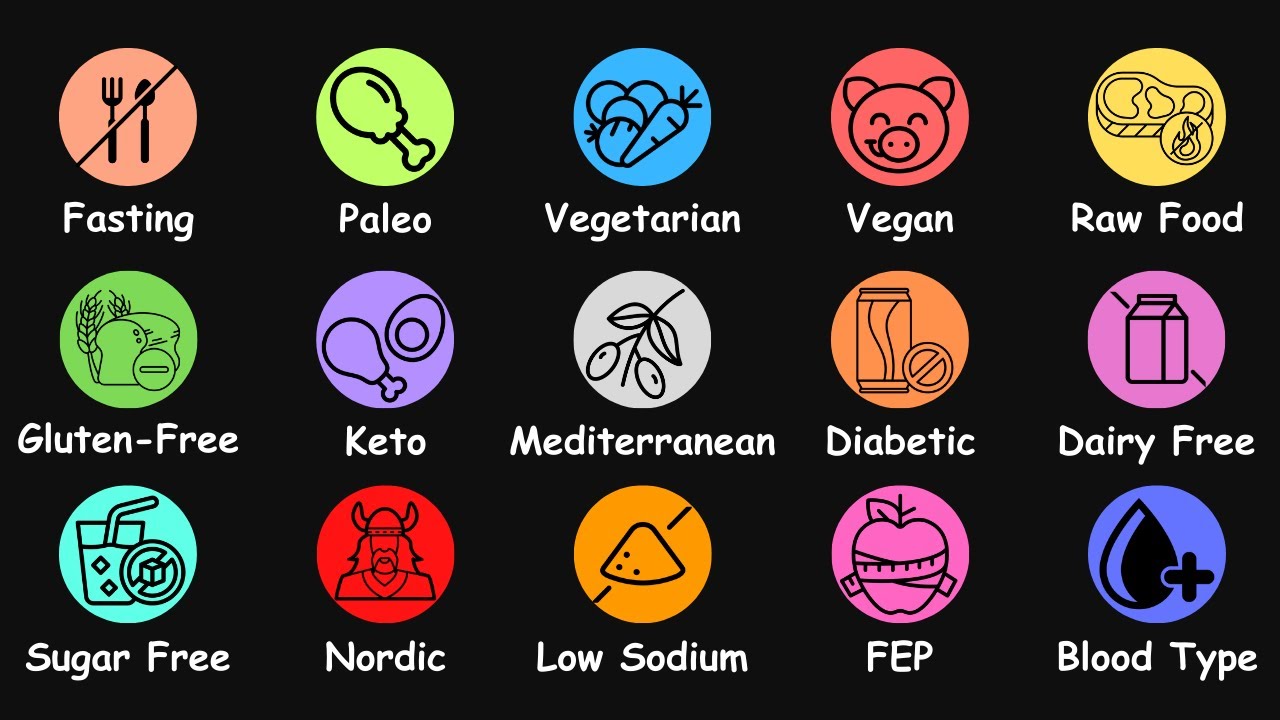
Every Diet Explained in 19 Minutes
I cover interesting topics using MS Paint, inspired by The Paint Explainer. Subscribe if you like this video :0
// TIMESTAMPS //
0:00 – Intermittent Fasting
0:56 – Alkaline Diet
1:35 – Anti-Inflammatory Diet
2:10 – Atkins Diet
2:59 – Blood Type Diet
3:42 – Celery Juice Diet
4:18 – CSIRO Flexi Diet
5:13 – Diabetic Diet
5:36 – Dairy Free Diet
6:06 – DASH Diet
6:25 – Elimination Diet
6:48 – FEP Diet
7:37 – Gluten Free Diet
8:31 – Keto Diet
9:35 – Locavore Diet
10:00 – Low Cholesterol Diet
10:40 – Low FODMAP Diet
10:59 – Low GI Diet
11:30 – Low Sodium Diet
12:06 – Macrobiotic Diet
13:02 – Mediterranean Diet
14:15 – MIND Diet
14:47 – Nordic Diet
15:31 – Paleo Diet
16:07 – Rainbow Diet
16:32 – Raw Diet
17:46 – Sugar Free Diet
17:56 – Vegan Diet
18:25 – Vegetarian Diet
18:39 – Zone Diet
// RESEARCH //
Most of the information sourced in this video comes from Wikipedia, but other sources include:
https://www.taste.com.au/healthy/articles/list-diets/ddxrwg3a
https://www.taste.com.au/articles/fep-diet/kga0w76k
https://www.statista.com/topics/3377/vegan-market/#topicOverview
https://www.cookunity.com/blog/what-percentage-of-the-population-is-vegetarian
// ICONS AND DRAWINGS //
fasting by Geoff Peairs from Noun Project
paleo diet by Vital Intent from Noun Project
vegetables by UNiCORN from Noun Project
Pig by Ian Rahmadi Kurniawan from Noun Project
undercooked meat by WiStudio from Noun Project
gluten allergy by Amethyst Studio from Noun Project
keto by rendicon from Noun Project
Mediterranean by blangcon from Noun Project
soft drinks by Houda Mbarki from Noun Project
dairy free by Eugen Hunecker from Noun Project
sugar free by IYIKON from Noun Project
viking by H Alberto Gongora from Noun Project
no salt by Vital Intent from Noun Project
diet by Raptors Collective from Noun Project
blood type by Baboon designs from Noun Project
stomach ache by Bricksstock from Noun Project
sick by Adrien Coquet from Noun Project
fried egg by icon 54 from Noun Project
Bloody Mary by Colleen Wilson from Noun Project
Australia by Support Designs from Noun Project
seafood by Made by Made from Noun Project
diet by Andre Buand from Noun Project
Couple by Amethyst Studio from Noun Project
Tofu by Eucalyp from Noun Project
diarrhea by Becris from Noun Project
meal by Hafiz Nur Lutfianto from Noun Project
dumpling by Eucalyp from Noun Project
berries by P Thanga Vignesh from Noun Project
fruits and vegetables by rahmat from Noun Project
diagram by Fahmi Ramdani from Noun Project
Intermittent fasting intermittent fasting is an eating pattern that switches between periods of fasting and periods of eating it’s not about what food you’re eating but more so about when you eat some fasting methods suggest undergoing 16-hour fasts twice per week but other methods depend as it’s up to anyone to decide how long
They wish to fast intermittent fasting is commonly used in many religions as a form of sacrifice such as Christianity Islam Judaism Buddhism Hinduism and many other faiths the 52 diet is a common form of intermittent fasting which involves eating as you normally would with no restrictions for 5 days and then
Reducing your calorie intake to a quarter of your daily needs which is about 500 calories for women and 600 for men the idea behind this diet is that individuals will lose weight and improve metabolic Health by the way it should go without saying but you should obviously consult with a doctor before starting
Any of the diets mentioned in this video the alkaline diet this diet is based on the idea that certain foods can negatively affect the acidity levels of your body proponents of the alkaline diet prefer eating foods that are alkaline forming instead of acid forming so that they can secure Optimal Health
And prevent certain diseases such as cancer this means instead of consuming meat Dairy alcohol and Grains they are consuming fruit vegetables nuts and seeds while this diet reduces processed food intake promotes hydration and may improve Digestive Health some scientists worry about the possible nutritional deficiency that one may experience going
On this diet as well as the lack of scientific evidence supporting this plan the anti-inflammatory diet many experts have linked lowgrade or chronic inflammation with heart disease type 2 diabetes cancer and other harmful medical conditions because of this anti-inflammatory dietist encourage the consumption of fresh produce plant
Proteins oily fish whole grains nuts and spices highly processed foods like sugary snacks and food high in trans fats are to be avoided it’s important to note that this diet is not a strict set of rules to follow rather it’s more of a guide on how to better select what foods
You should eat and how to eat mindfully the Atkins diet although this diet was created in the 1960s it became very popular in the early 2000s and it basically claims that you can eat as much protein and fat as you want and still lose weight as long as you avoid
High carb foods it encourages protein-rich foods like meat fish eggs and cheese with a lot of olive oil oil avocados and nuts but it discourages grain starchy vegetables fruits and sugar the benefits of this diet is the rapid initial weight loss you may experience due to the loss of water and
A reduced calorie intake as well as a generally reduced appetite however many people on this diet experience a negative reaction called low carb flu which causes feelings of fatigue dizziness and constipation commonly caused by nutrition deficiencies many people also find that this diet is difficult to keep up long-term term the
Blood type diet the blood type diet suggests that you should eat certain food based on your blood type type O’s must eat foods high on protein and go light on grains and dairy type A’s should avoid meat Al together and instead eat nuts grains fruits and vegetables type B’s should focus on
Green vegetables eggs and lowfat dairy while avoiding corn wheat and peanuts type A BS are told to combine type A and B’s diet eating a variety of fruits vegetables grains Dairy and meat meat the idea behind this diet is that eating the correct foods that correspond to
Your blood type will help you lose weight and have more energy however the lack of scientific evidence that supports this structure reins concerns and many people don’t like how overly restrictive this diet is the celery juice diet social media and health influencers love this one in order to
Improve overall health the celery diet involves consuming celery juice in large quantities typically on an empty stomach first thing in the morning in order to improve overall health proponents argue that celery juice helps helps with detoxification producing clearer skin and increasing energy levels however while celery is undeniably healthy and
Full of Rich vitamins and minerals there isn’t much scientific evidence that supports the additional claims made here and proponents of this diet are often way too reliant on celery juice alone to carry them throughout their day the csiro flexi diet this weight loss program was developed by the Australian
Government and an actually includes three types of days with increasing levels of freedom and flexibility on control days individuals aim to consume a set number of calories with the emphasis being on portion control and choosing nutrients dense foods women should consume 1,200 to 1500 calories on these days and men should consume 1,600
To 2,000 on classic days the calorie intake increases to, 1500 to 18800 calories for women and 2,000 to 2,500 for men allowing for more flexibility and food choices and Portion sizes compared to control days while still promoting weight loss and healthy food eating habits flexi days have the most
Amount of Freedom even allowing snacks and food that aren’t traditionally included in meal plans reminding the individuals that they are allowed to indulge while on a diet as long as they maintain overall balance and progress towards their weight goals the diabetic diet this diet is focused on helping you
Control blood sugar levels you’re encouraged to eat foods that are low in fat and calories but naturally rich in nutrients while avoiding all sugars and sweets the diabetic diet is not a one-size fits-all diet it is heavily tailored to a specific specific individuals needs and it is essential
For people who suffer from diabetes to work closely with their doctor or dietitian on a plan the dairy free diet this diet is not uncommon for children or people with dairy allergies or lactose intolerance lactose being the sugar found in milk a dairyfree diet is self-explanatory it removes all foods
Derived from milk including cheese yogurt butter cream and ice cream not everyone who’s on a dairyfree diet does it because of an allergy however as some people find this diet beneficial for relieving digestive issues improving skin health and some even avoid Dairy based on various ethical and environmental reasons the DASH diet this
Diet is designed to help people prevent or manage high blood pressure levels placing a strong emphasis on protein size and encouraging you to eat foods rich in nutrients like Seafoods fruits vegetables and whole grains while limiting sodium intake and highly processed foods like canned soups sauces and condiments The Elimination Diet The
Elimination Diet is often used by people so that can figure out if they have a specific food allergy or any sort of negative reaction to certain foods the process has people avoiding certain foods for weeks but then slowly reintroducing them one by one so that they can identify which protein produces
A reaction to their body this is typically used to diagnose gluten wheat or dairy allergies the FP diet the FP diet stands for fasting mimicking eating plan and it’s a dietary approach designed to mimic the effect of fasting on the body while still providing the same food intake there are four steps to
This diet the first one being the preparation phase where you only eat plant-based Foods then there is the fasting phase where you only consume around 800 to 1100 calories per day for about 3 to 5 days after this there is the refeeding phase where you slowly but
Gradually return to a regular diet again over the course of several days to a week finally there is the maintenance phase where at this point you fully return to a regular eating pattern but you’re still incorporating the lessons you learned from the FP diet such as choosing healthier food options and
Being mindful of your portion size the gluten-free diet the gluten-free diet is typically for people who have an allergic reaction to gluten which is the protein found in wheat barley rye and oats many people who are allergic to gluten have a form of the allergy called celiacs disease causing extreme negative
Reactions if the person consumes or even just comes into close contact with gluten foods to avoid are obviously bread as well as pasta cereal baked goods beer and many processed foods however there are many gluten-free alternatives to these meals cross contamination is a big problem for people who are on this diet as
Gluten-free foods can come into contact with gluten containing foods causing the meals to become contaminated and potentially unsafe to eat for anyone with the allergy of course not everyone who has an allergy is on a gluten-free diet as some people argue that the diet undoubtedly has health benefits and
Assists in weight loss and improved digestion but there is limited scientific evidence for these claims the keto diet this diet is another one that has gained a lot of attention over the years the keto diet is a high fat low carb eating plan designed to induce a
State of ketosis in the body in ketosis the body shifts from using glucose as its primary source of energy to using ketones which are produced from burning fats making weight loss easier on top of this when your body uses ketones instead of glucose many people report experiencing more stable energy levels
And appetite as well as less mental stress the body also reduces blood sugar and insulin levels the keto diet consists of meat fish eggs cheese nuts seeds oils low carb vegetables fruits and sugars it heavily restricts carbs only allowing 20 to 50 gram a day that being said some people who are just
Starting this diet or following it without the guidance of a professional report experiencing keto flu which can include fatigue headaches nausea dizziness constip ation and in extreme cases even kidney stones it is also not recommended for pregnant women or women that are breastfeeding the loc ofor diet
This diet calls for you to only eat foods that are locally produced in your area people go on this diet to support local farmers and businesses and also reduce the harmful environmental impacts that are associated with food Transportation packaging and processing in addition this diet helps people develop a deeper connection with their
Local community and the foods that they eat as seasonal eating causes natural diversity and their meals the low cholesterol diet a low cholesterol diet is pretty self-explanatory as it aims to reduce levels of cholesterol in the blood specifically lowdensity lipoprotein or bad cholesterol in order to lower the risks of heart disease and
Other cardiovascular conditions this means less trans fats and more healthier fats from olive oil avocado nuts seeds and fatty fish like salmon and mackerel this diet promotes more plant-based foods and lean protein sources like fish tofu and beans and discourages egg yolks organ meats and shellfish it’s also
Important to be mindful of portion sizes and it encourages regular physical activity and exercise in addition to the food choices the low FODMAP diet this diet is typically for people who suffer from irritable bowel syndrome and it is designed to combat fod Maps which are carbs that are not fully digested that
Produce bloating gas abdominal pain and diarrhea for many individuals these come from foods like apples caulif flour and honey the low GI diet have you ever gone out to eat and noticed that the food you consume just didn’t keep you full for very long a low G diet which was
Originally designed for people with diabetes has people avoiding foods like beverages white bread white rice processed snacks and any food that causes a rapid spike in blood sugar levels followed by a rapid drop creating the rapid fluctuations in energy and hunger levels that people experience very often a low gii diet features
Balanced meals regular eating patterns and moned portion sizes the low sodium diet high sodium intake from Salt and processed foods can lead to high blood pressure heart disease and strokes a low sodium diet promotes herbs spices Citrus juice garlic vinegar onions and other flavors instead of relying on salt for
Seasoning purchasing fresh organic foods and cooking at home is also typical for people who are on this diet because it allows for much easier control on how much sodium and other unhealthy ingredients are being shoved into your meals hidden sources of sodium can come from salad dressings marinades canned vegetables cheese bread breakfast
Cereals and snacks the macrobiotic diet this diet comes from Zen Buddhism and other traditional Asian philosophies and practices and the idea here is to balance the Yen and yang elements of food meaning that there should be a balance of grains vegetables legumes and minimal amounts of meat and other animal
Produced or processed foods much like the locavore diet it promotes locally produced foods that are and season meals are typically prepared using simple cooking methods such as steaming boiling or lightly sautéing cooking oils and seasonings are used sparingly as this diet promotes an emphasis on natural flavor instead mindful eating is also
Heavily encouraged paying close attention to the quality and texture of the food as well as the act of eating itself overstimulating food like extremely spicy or extremely sweet foods are not allowed the macrobiotic diet goes beyond a traditional diet as many people who are on it also do yoga yoga
Or Tai Chi and practice General mindfulness and frequent meditation the Mediterranean diet many people love this diet in fact it’s frequently called the best diet in the world it’s a way to promote positive thinking through enjoying eating rather than focusing on restrictions or sacrifice inspired by the traditional eating habits of
Countries like Greece Italy or even Spain the idea is to eat an abundance of plant-based foods like fruits vegetables and Grains because these foods are rich in vitamins minerals fibers and antio oxidants olive oil is the primary source of fat and it’s used for cooking dressing salads and flavoring dishes
Moderate consumption of fish and poultry are also a regular part of this diet including salmon sardines tuna chicken and turkey with red meat being consumed far less frequently Dairy is a big part of this diet such as cheese and yogurt with Greek yogurt being a popular choice for its high protein content and
Probiotic benefits red wine is also a popular item for its heart protective effects and it’s typically consumed with meals herbs and spices are also used in favor of salt and finally a big part of the Mediterranean diet is the social and cultural aspect that it celebrates as it emphasizes enjoying meals with family
And friends savoring food slowly and taking time to appreciate the dining experience the Mind diet the Mind diet is a combination of the Mediterranean and dash diets and it aims to reduce dementia and protect brain health while focusing on plant-based Foods whole grains healthy fats and a moderate consp
Of animal products berries such as blueberries and strawberries are highlighted as a key component in the mind diet due to their high levels of antioxidants which have been shown to improve cognitive function and protect against age related mental decline red wine is also surprisingly shown to have neuroprotective effects because it
Contains re veratrol the Nordic diet inspired by the traditional eating habits of Nordic countries such as Denmark Finland Iceland Norway and Sweden it emphasizes consuming foods that are locally sourced and seasoned this means a lot of fish particularly fatty fish like salmon Herring mackerel and trout which are rich in omega-3
Fatty acids and improve heart health and cognitive function like the M diet berries are also a part of this diet including blueberries Cloud berries and lingan berries rude vegetables like potatoes carrots turnips and beets are heavily nutritional sources along with canola oil white meat and game meat are
A part of this diet as well but they are consumed in smaller quantities served in mixed dishes where they are not the main focus of the meal the Paleo Diet also called the caveman diet the mission statement proposed by the paleo diet is that the human body should eat the same
Diet as our hunter gather or ancestors excluding all processed foods and the belief that they contribute to Modern health issues this means meat fish Birds Roots nuts wild fruits and vegetables are all on the menu this diet calls for a high protein intake limited carbs healthy fats and an emphasis on
Nutrition diversity especially from colorful fruits and vegetables this in addition to regular physical activity and outdoor exercise reflects on the active lifestyle of our ancestors the rainbow diet rather than being a strict diet with a set of rules to follow the rainbow diet is more of a concept that
Emphasizes consuming a wide variety of colorful fruits and vegetables which all contain different vitamins minerals and antioxidants that contribute to overall health and well-being while this diet is undeniably a good suggestion one should not become overly Reliant on Just Foods and vegetables and ignore the other essential food groups the raw diet this
Diet is extremely controversial as proponents of it are often mocked and ridiculed for what is considered a wildly unhealthy diet if you include raw meats for most people who stick to vegan or vegetarian forms of this diet they consume all Foods in their natural state with minimal to no cooking or processing
Some raw food enthusiasts believe that heating Foods above 118° F can destroy beneficial nutrients and enzymes times while the majority of food consumed on this diet is plant-based some raw food diets may include small amounts of raw Animal product like unpasteurized Dairy raw eggs and raw fish such as Sushi
Advocates of this diet claim various health benefits such as improved digestion high energy levels weight loss clear skin and reduced risk of chronic disease although there is a limited amount of scientific evidence to support these claims the raw meat diet on the other hand takes this approach to a
Whole new level with individuals consuming raw muscle meat and organ Meats Advocates of this diet claim they enjoy improved dental health and overall Vitality although scientists point out the obvious risks of consuming harmful bacteria suffering nutritional imbalance and having upset digestion along with many other concerns the sugar-free diet
This diet varies in extremity with the most extreme versions removing all foods that contain added sugars including fruits vegetables peas carrots and parsnips the vegan diet the vegan diet is extremely common and wellknown as it restricts all animal- derived foods and products including meat poultry fish Dairy eggs honey and other products that
Come from animals people adopt a vegan diet for a variety of reasons ranging from preference perceived health benefits and even ethical concerns regarding the right to kill and eat animals or the questionable practices that the meat industry engages in with their animals studies estimate around 4% of the US population are vegan the
Vegetarian diet another popular diet is the veget Aran diet which excludes the consumption of meat poultry and fish but typically includes Dairy eggs and other animal products around 5 to 6% of the US population is vegetarian the Zone diet developed by Dr Barry series The Zone Diet emphasizes balancing carbs proteins
And fats in specific ratios in order to promote Optimal Health with a prescription of 40% carbs 30% protein and 30% fat for each meal and snack this balance is intended to improve weight loss stabilize blood sugar levels control hunger and regulate hormones meal timing is a big part of this diet
As it recommends balanced meals and snacks every few hours to prevent energy crashes
29 Comments
There is also the Cornish diet which is to eat 15 pasties a day and nothing else.
What about whole food plant based?
the only diet ive ever been on way the BRAT diet when i had gastritis when i was 12
You forgot pescatarian diet
you should do different genres, of music, films or even video games
Me who barely eats any variety because of an eating disorder be like
One thing they all have in common when losing weight is CALORIE DEFICT ! its funny when people go extreme on random diets and think they lost weight because of that diet and thinking its the perfect diet. when it was just calorie deficit.
EAT AND ENJOY FOOD IN MODERATION. its simple, and if you can't do that, just calculate how much calories your body need based on your activity and height
The college student diet
Deez nuts
SOMEONE PLEASE, PLEASE EXPLAIN TO ME, how does this man not have 100k+ subs
I avoid lactose even though I'm not completely lactose intolerant (tested via blood test), I just have slightly less stomach issues that way.
You should've added pescatarians
Sugar cubes really do look yummy
omg I love this channel! this is so awesome!
i needed this explained simply so much
thanks💯
What is in the best vor you're health and body ?
W DARK MODEEE
The low-carb diet craze in the 90s and 2000s drove me insane, it made no sense to me at all. It should have been called the Fatkins Diet, lol.
I myself are the extreme case of the first diet explained in this video. I drink milk, some soda, while also eating jack all for most of the day. I also exercise so likely I eat less than 1200 calories per day. I've been doing this strict dieting for about a month to gain strength and lose weight. I used to be like 210 while at 5'7 which is kinda fat tbh. Now I'm like 183.
Embarking on a culinary journey through diverse diets! From the rhythmic dance of intermittent fasting to the mindful steps of the Mediterranean diet, each offers a unique melody for health.
Embark on a culinary journey through diverse diets! From the ancient practices of intermittent fasting seen in various religions to the trendy but controversial raw meat diet, there's a fascinating array of eating patterns. Explore the health-conscious Mediterranean and Mind diets, the environmentally friendly locavore diet, and the nostalgic Rainbow diet emphasizing colorful fruits and vegetables. Whether you're drawn to the ancestral Paleo diet or the socially vibrant Mediterranean lifestyle, each diet weaves a unique tale of culture, health, and personal choices. It's a gastronomic adventure with something for every palate!
Where’s halal?
How do you make these videos
Explain every gender next
I'm Spanish, and I have to say that sadly, the Mediterranean diet is slowly fading away here. It's very sad, but the convinience of processed foods is getting to our society and ruining our diet. An aspect I love about Mediterranean diet is the consumption of legumes, which every time I eat, give me good energy without feeling heavy. And scientifically, lentils are just as good as quinoa and other modern cereals. I always try to eat the Mediterranean diet, mostly doing it locally sourced.
Please show women dressed modestly.
God loves you and hasn’t forgotten about you. Please pray and let him in.
I got the whatever my momma makes I’m eating diet
Celiac isn't an allergy…