
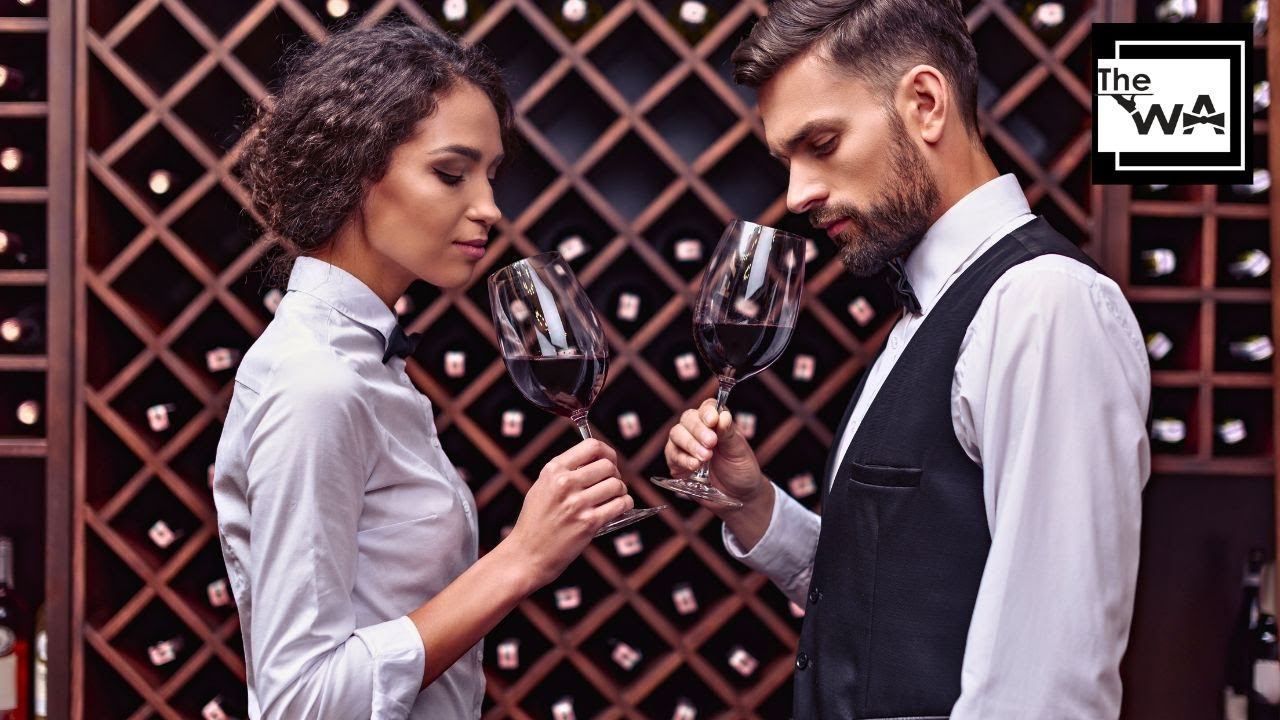
In this lesson, we will introduce you briefly to some of the main topics discussed in the Junior Sommelier Course.
I want you to know that wine has a long and rich history and remains a vital part of present social, cultural, and business life.
Wine has been made and consumed for thousands of years, with evidence of wine production dating back to 6000 BC in ancient civilizations such as Greece and Egypt.
Wine became a vital part of religious and cultural celebrations, and the wine trade led to the development of winemaking techniques in different regions worldwide.
Nowadays, millions of people consume wine, and hundreds of thousands are employed by the wine industry.
More and more countries learn how to cultivate wine and compete with well-established wine regions like France and Italy.
North America (California), South America (Argentina, Chile), Australia, and South Africa have bustling wine industries, and Asia is catching up quickly with the rest of the world.
You have to understand that:
Each region has its unique sub-regions
Each sub-region has its own unique climate, soil, and winemaking traditions that result in distinctive wine styles.
Quick example with France: we have large regions like Bordeaux and Burgundy, but then Bordeaux has sub-regions like Medoc and Hot-Medoc. Hot-Medoc has its own sub-regions like Pauillac and Margaux and others. Every one of those has its unique terroir and traditions of making wine. They choose the grapes they grow and the wines they produce based on those terroir and traditions.
There are over 10,000 grape varieties used for wine production, but a handful of them are the most widely planted and recognized: Cabernet Sauvignon, Chardonnay, Merlot, Pinot Noir, Sauvignon Blanc, Syrah/Shiraz, etc.
We will learn the basic characteristics of the 40 most important grapes in the world, but you need to know that:
The same grape can produce different wine styles based on factors such as climate, soil, and winemaking techniques.
And when we talk about wine style we get to one of the most complicated parts of studying wine – the wine terminology.
Wine terminology can be a bit intimidating, but don’t worry – it’s just like learning a new language, except with fewer tongue twisters and more opportunities to drink.
We will discuss:
Body: refers to the weight or texture of the wine in your mouth, light, medium, or full-bodied.
Aroma: refers to the smell of the wine, often described as floral, fruity, herbal, or spicy.
Taste refers to the flavors in the wine, including sweetness, acidity, tannins, and alcohol.
Finish: refers to the aftertaste of the wine, which can be short or long.
Vintage: refers to the year the grapes were harvested.
and many other characteristics that will help you distinguish styles and vintages from one another and make you a wine expert in the eyes of your guests.
After the hardest part of learning wine comes the fun part: Wine tasting!
We will learn how to evaluate wine by implementing a technique like:
look at the color, take a quick sniff, swirl the wine in the glass to release the aromas, take a deep sniff, take a small sip, and then let the wine sit in your mouth for a moment to allow the flavors to develop.
There it goes!
You just went through the first lesson with awe and ease!
Congrats, now it is time to check your assignments and dig deeper into the secrets of the wine world!
4 Comments
Hiii sir please reply me
One video special waitar interview please
Hello sir
in lesson 2 coming wine terminology?