
Welcome to Il Quinto Winery in Italy | Ubik Architecture
WINERY•MAGLIANO IN TOSCANA, ITALY
Architects: Ubik Architecture
Year : 2021
Photographs :Alessandra Chemollo
Lead Architect : Gabriele Pinca
MEP Engineering : M&E Srl
Structural Engineering : Studio Beta Associati
Main Contractor : Massini e Gori Srl
MEP Contractor : Pegam Srl
Lighting Consultant : Tornabuoni – Martin Enden
Owner : Tenuta Il Quinto società agricola a R.L.
Project Management : AEDIFICO Srl
Enological Design : WINO Srl
Work Supervision : AEDIFICO Srl
City : Magliano in Toscana
Country : Italy
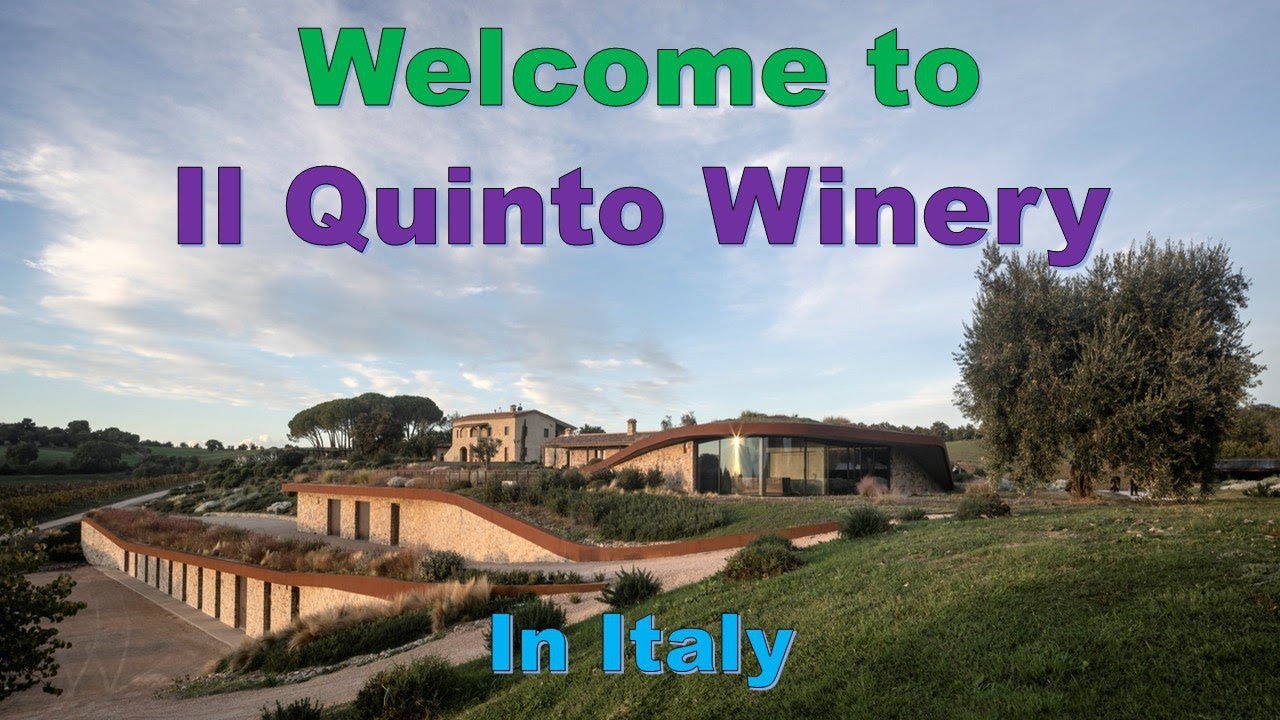
On the hills of Magliano in Toscana, a little town in the province of Grosseto, is a new wine cellar called IL
Quinto. Its architecture avoids any attempt at monumental scale in favor of mimetic integration with the surroundings and is meant to be discovered gradually as one travels across the estate that houses it.
The winery has been placed to maximize its integration into the countryside while minimizing excavations thanks to careful research of the area. In fact, its volume integrates with the current road network by connecting the numerous routes at various levels, avoiding the installation of new roads, in the knowledge that these features in
the environment can have a greater influence than buildings.
The lines of the current countryside are used to develop the new architecture of the winery. A concept that the visitor can easily read in the metal ribbons that make up the cellar. These ribbons change meaning as they move, changing from road to wall to ceiling before reuniting with the farm road system.
When we get to the estate, the Maremma’s lush landscape surrounds us, and the Argentario promontory comes into view. The entrance to the cellar rises from the ground and looks to be one hill among several others. The stone used in its façade, which also includes Corten components, fits in with the hues of the surrounding landscape.
This choice in architecture emphasizes the need for sustainable solutions that go beyond purely technical and technology components and instead incorporate ideas for utilizing and recycling local materials and building
customs.
As we stroll through the estate’s vineyards, we notice the building’s elevation, which appears to embrace the shapes of the vine-row rows. The thickness of the green roofs has been carefully considered to allow for the planting of local shrubs and the development of a floral roof.
Once inside, the welcome area and tasting room open up to the surrounding countryside through their huge windows.
Sharp and uncluttered interior lines are intended to emphasize the texture and grain of the chosen materials, such as exposed concrete, stone, and wood.
The barrique cellar, with its exposed concrete walls and red resin floor, is located on the lower level, accessible from the entry by a staircase guarded by a stone wall. The staircase lets in varying light throughout
the day, which changes the ambience constantly.
From here, we use the metal stairway that leads us from a picturesque location like the barrique cellar to a more functional and technical location like the vat room to descend to the lower floor. The steel of the vats and the huge windows provide us with a workspace that does not lose its appeal and keeps contact with the countryside.
These rooms are distinguished, like the previous ones, by the concrete on the walls, ceiling, and red resin on the floor.
The flows are designed to allow for easy management and use during the phases of grape harvest and processing, allowing the grapes to fall naturally through hatches on the levels of the fermentation room, barrel cellar, and outdoor regions.
#trisarchdaily #archdaily #ilquintowinery
Music by : Bensound – Perpection
Please Subscribe, Like, Comment and Share!!