
All the references :
Venice, Italy
Eating Italy A Walking Food Tour in Rome
Italian Gentleman – Men’s Tailoring – from Director by Gucci – Italian Fashion
Rome in a nutshell city guide for first-time visitors
Unità 1 Una brutta figura – Corso di lingua italiana per stranieri
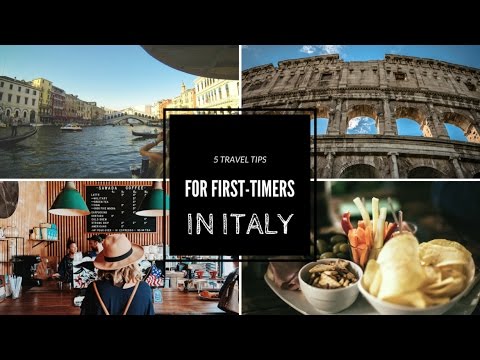
5 travel tips for first-timers in Italy.
Everyone knows Italy – Rome’s iconic ruins, Tuscany’s vine-clad hills, Venice’s romantic waterways. These have all been on the radar for centuries. Add fabulous food and breath-taking scenery, and you have all the ingredients for an unforgettable visit.
1. Eat like a local.
Dining out is one of Italy’s great joys. And there’s no shortage of eateries, with everything from Michelin-starred restaurants to neighbourhood trattorias, wine bars, cafes and pizzerias. Italians generally eat late, so if you want to fit in, stop for lunch at around 1.30pm and dinner at 8.30 to 9pm – the further south you go, the later they eat.
2. Dress the part.
Appearances matter in fashion-conscious Italy. That said, you’ll have to dress comfortably for sightseeing because you’ll be walking a lot. Practical shoes are a must as cobblestoned streets play havoc with heels and ankles. For the evening, smart casual is the way to go.
3. Museums (and how to skip the line)
Italy’s historic cities are littered with awe-inspiring art and famous buildings, and often sightseeing is just a case of walking the streets. But for top sights like the Colosseum and Vatican Museums in Rome or Florence’s Galleria degli Uffizi and Gallerie dell’Accademia, entrance queues are the norm.
4.Bread and tipping.
Italians are not big tippers. Service is generally added to restaurant bills, but if it’s not, a euro or two is fine in trattorias and pizzerias, up to 10% in smart restaurants. Also, expect to pay for pane e coperto (a bread and cover charge) – this is standard and is added even if you don’t ask for or eat the bread.
5. Brush up your italiano.
You’ll have no trouble getting by with English, but a few Italian words and expressions will help you on your way. This is particularly true in restaurants where menus don’t always have translations and some places rely on waiters to explain things.