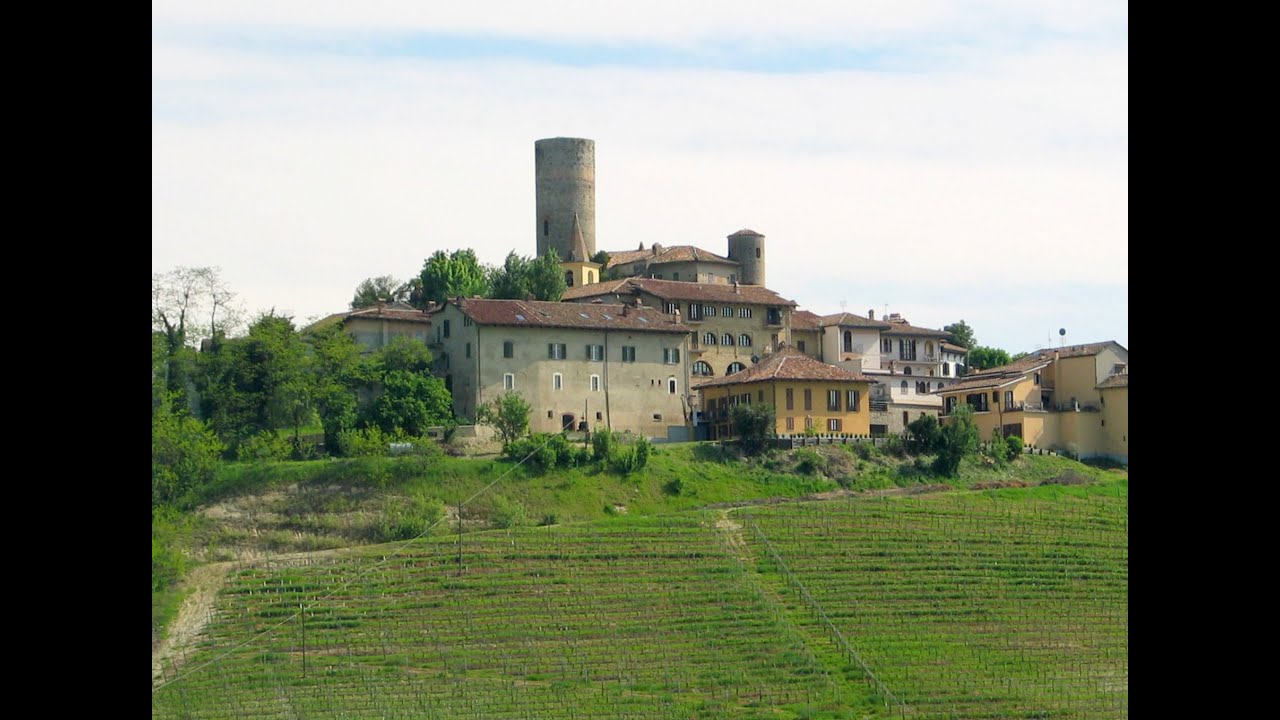
Castiglione Falletto is an Italian town of 714 inhabitants of the province of Cuneo, in Piedmont. Castiglione was founded as the Roman town. During the Middle Ages became a possession of the Marquis of Saluzzo, who erected an imposing quadrangular fortress on the hill. Became a possession of several families of feudal lords Aleramici, Castiglione passed, the fall of the Marquis of Saluzzo Gabriel, to France, who kept it until 1601 when, with the Treaty of Lyons, Castiglione became a possession of Savoy in the Langhe. Since then, the country remained in Piedmont of the House of Savoy until the unification of Italy. The name Falletto was added to the name of Castiglione in 1589, for the ongoing secular possession of the fief of Castiglione from the illustrious and ancient family of Falletti Alba, builders of the castle. The lawyer and judge Felice Francesco Vassallo, born in Dogliani, acquired by Giambattista Falletti some points of jurisdiction of Castiglione Falletto and was invested with the title stately April 2, 1680 and again on July 30th 1686. The grandson of Felice Francesco Vassallo, Ignazio Baldassare, who obtained the fief of Castiglione Falletto June 19, 1772 was erected in committee. Baldassarre, son of Count Ignazio and Marianna Giannazzo of Belvedere he graduated in law and was the author of historical writings and literary manuscripts now preserved in the Royal Library of Turin. Baldassare married Felicita Cup Valmacca and their union was born Philip, a lieutenant in the Brigade of Piedmont. The latter married in 1819 Ferdinanda Solaro Moretta, heir to the estates of his family, and had 18 children. The castle of Castiglione Falletto is a manor in quadrangular structure with walls and a garden on two layers. It belonged to noble families of Lower Piedmont and is included in the system of “Open Castles”, can be visited at certain times of the year and used for facilities and historical museums. It dominates the municipality.