
Links to visit:
Dhamaka NYC:
Indian Accent:
Rooh:
Ghee:
Dr. Krishnendu Ray
The Ethnic Restauranteur
Summary:
Cumin (jeera) seeds start to crackle in hot oil and the journey begins. The path from seeds to sauce is one that hasn’t always translated to the western palate. Oftentimes, when the west hears the word curry, it conjures up a range of preconceived notions rooted in xenophobic stories that subvert our better judgment.
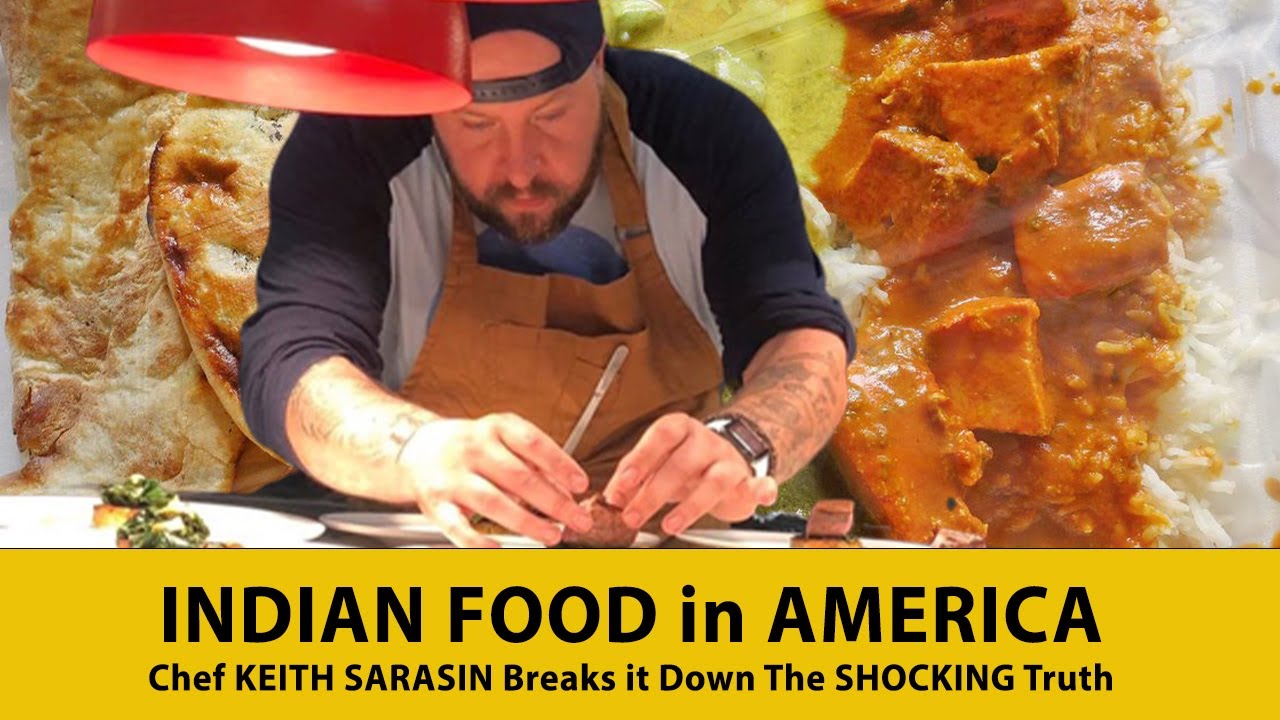
Why America hasn’t embraced Indian food in the pantheon of fine dining is rooted in many different factors. From xenophobia to prejudices to lack of appreciation for the skill and poor mainstream marketing, Indian food is where Chinese and Mexican food is in America, relegated mostly to takeaway.
Immigration is as American as McDonald’s, yet we have a dark history of culinary gentrification. We elevate certain cuisines based on how socially acceptable we believe a particular culture to be. This repression of ethnic cuisine dates back centuries. In America today, there are over 40,000 “Chinese” restaurants in the U.S and over 50,000 “Mexican” restaurants according to date from Zagat.
Krishnendu Ray is an author and brilliantly outspoken voice speaking on the topic of why America shuns some cuisines. In his book, “The Ethnic Restaurateur,” Ray writes that America has a long history of looking down upon the cuisine of its recent immigrants. For instance, from the 1880s until about the 1920s, social workers and nutritionists cautioned that Italian food was too garlicky and spicy. Ray expands on this idea, sketching the tiers of what he calls a “global hierarchy of taste.” It is a hierarchy that prizes paninis over tortas and he proposes that it is shaped by a simple rule: The more military or capital power a nation has and the richer its immigrant, the more likely the cuisine will fetch a higher price tag.
The fact is, Indian immigrant communities haven’t had the same path in America as other communities like the Chinese, Italian, or Mexican communities. America has had a long-running high level of immigration from other nationalities whose foods have become part of our society. Immigration from India only really took off the past 50 years.
If we consider the divergent trajectories of Japanese and Chinese cuisines in America, we can see a stark contrast develop. Japanese cuisine was looked down upon for many years as immigrant children were told their food was lacking proper nutrition. As the sushi craze started in the ’60s and became increasingly popular, Americans found a reverence for the cuisine. Now Japanese food is amongst the most expensive and revered in America while Chinese food took a different path.
Chinese food was plagued with xenophobic and outright racist notions as Americans were told of the horrors of MSG in the Chinese food they were eating. They were told that the food is weird and Chinese food is dirty and unsophisticated. Today, there are plenty of American-Chinese restaurants that are serving the same menu items that Americans made popular like crab Rangoon and General Tso’s chicken.
We see this same pattern immerge in the Indian restaurants across America. These “curry houses” as they are so often referred to cater to the western palate with rich sweet gravies and staple ingredients that represent various sections of Indian states in a hodgepodge mix of east meets west. Often times you find these “curry houses” serving chicken tikka masala made with from box masalas and spices that are flat and dull smeared with cream and sugar.
1) SUBSCRIBE! ✔ Click
Then smash the BELL ICON so you don’t miss a 🔴 live stream or video.
2) Love Cooking & Food Books??
Check out my books: www.keithsarasin.com
Follow Me: 👋🏻
+ INSTAGRAM ►
+ FACEBOOK ►
+ TWITTER ►
+ AATMA RESTAURANT! ►
+ MORE THAN MASALA PODCAST ►
Contact Me:
+BUSINESS EMAIL ► Keith.sarasin@gmail.com
Don’t forget to check the rest of my videos on my channel!