
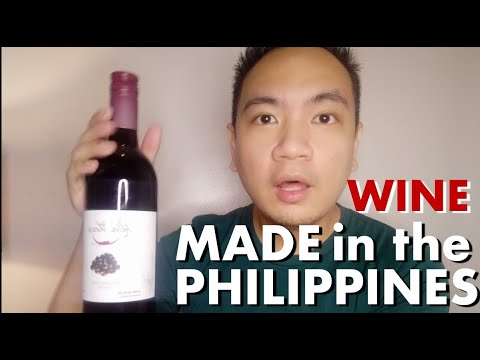
I’ve featured a lot of wine from all over the world in this channel! But in this video, I am finally coming home — here I have wine made in the Philippines! As our tropical climate cannot grow the traditional grape varietals, this wine is made from other fruits. But even then, we’re not straying too far from the grape/berry family. We’re not going into anything that’s too much off the beaten path such as working with citrus fruits nor are we covering coconut wine also popular in the Philippines or rice wine that’s popular in Japan and Korea. In this video, we’re featuring Baligang Wine! What is Baligang? TBH, I had to look this up and find out that Baligang is known as Lipote. I haven’t heard of this fruit in the English language and rightfully so, this fruit is endemic to the Philippines. So what is Lipote? It is closely related to the more popular Duhat, known as Java Plum. Thus, as it’s closely related to Java Plum, Lipote/Baligang is also from the grape /berry family.
Today’s wine comes from the Southern Luzon, specifically at the tail end of the island at the Bicol Region: Camarines Sur. We are featuring a Sweet Red from wine producer Alden Therese. The alcohol content of this wine is at 9.49%, already significantly lower than traditional wines that are typically from 11% to 14%. What struck me the most about this Baligang Wine from Alden Therese would be their packaging. Whereas a lot of locally-produced alcohol tend to have packaging that’s no-frills and basic utility, Alden Therese did not scrimp on the bottle that they’re using. You can mistake this wine as something that’s made from France, Italy, and all the other wine regions. To procure this kind of bottle may be expensive locally unlike in the usual regions growing wine, these types of bottles are easy to secure because of the sheer demand for volume. Locally, I’m sure this bottle would cost this wine producer quite a lot so I applaud the winemaker for putting in a valiant effort in terms of packaging. You’ll also see that the label is neat and would blend into the world’s best wines side by side.
Let’s get this wine out of the bottle and pour ourselves a glass. Visibly, this wine leans toward a brown to a light burgundy color. Even as its possessing the full color of red wines, it is however a little diluted and a little thin in terms of texture. On the nose, it’s a little vinegary. It doesn’t have the strength and level of pungency that vinegar has but a slight whiff of vinegar is definitely there. It also has hints of honey on the nose and some green vegetal aspects to it.
Moving from a visual and nasal assessment of this wine, let’s move on to the actual wine tasting! True to what we observed, this wine does have some slightly sour notes and a lot of sweet notes that can be likened to watered down honey. The green vegetal notes are also present as well as its texture that’s lighter than traditional red wines. It doesn’t have a tannic texture as would be present in red wines, but it does have a certain grippy texture to it which is similar to duhat’s natural fruity texture.
The closest thing that I think I can compare this to would be grapes after fermenting for a few days or even weeks. The fruity and sour textures are still there. So it makes me wonder if this wine can actually be better if it’s given more time to age, perhaps a few more months or even years as would be done for traditional wines made from grapes. This wine tastes like it’s in the right path but needs more time to mature and bring out more flavors. Moreso, I also wonder if this wine can develop more complex flavors if the makers would use oak barrels – perhaps American Oak or French Oak so that the flavor is enhanced with deeper flavors such as wood and vanilla amongst others.
Do I like this wine? Yes and No. If we were to compare this to traditional wines made from grapes, I wouldn’t specifically like this. Sommeliers, Masters of Wine, and just regular wine affocionados have exacting standards when it comes to wine. But if I were to assess this in terms of being a local liquor and not thinking of it in terms of traditional wines, then this definitely is worth trying. It’s a valiant effort to make wine from our tropical climate and terroir. I think this wine is unique and something that we Filipinos can be proud of.
I would recommend this wine to those who like sweet wine and those wanting to change it up and try something different.
Buy this wine here:
#madeinthephilippines
#camsur
#bicol