
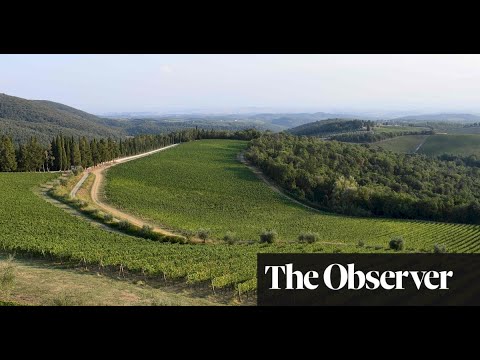
Read full article here:
Le Serre Nuove dellOrnellaia, Bolgheri, Tuscany, Italy 2018 (from 58, petershamcellar. com; armit-wines. co. uk) Theres a certain kind of wine lover who gets very het up about indigenous grape varieties. Its all part of taking a stand for cultural diversity, a way of fighting the creeping internationalisation of local wine cultures at the hands of a handful of globetrotting, globalising grape varieties, all of them French in origin. I have a great deal of sympathy with this way of thinking. One of the most exciting recent trends of recent years has been the rediscovery of once-forgotten local grape varieties. But I cant go the whole ideological hog. Sometimes the wines made from imported varieties are just too good to overlook. The coastal Tuscan region of Bolgheri is a case in point: its become a second home to Bordeaux varieties such as merlot, cabernet franc, cabernet sauvignon and petit verdot the ingredients of the magnificently polished, harmonious, complex Le Serre Nuove, the second wine of the celebrated Ornellaia. Villa Boscorotondo Chianti Classico Riserva, Tuscany, Italy 2016 (16, Co-op) What makes Le Serre Nuove and other greatwines made from Bordeaux varieties in Tuscany (such as Ornellaia itself and the no-less-celebrated and Sassicaia) so special is that they dont simply taste of transplanted Bordeaux. Theres something distinctively Tuscan in these winesthem, a very subtle herbal quality, some tobacco leaf, and notes of balsamic and sage as they age. For that reason it would be hard to argue, as many did when these wines were first being made a half-century ago, that they are somehow not properly Tuscan. And there are uncomfortable echoes of the current, fraught, anti-immigrant rhetoric of Italys resurgent far right whenever I hear in that argument repeated today. Still, thats not to say that Tuscanys own stock of grape varieties isnt capable of making great wines. Indeed, the red sangiovese is behind