
Cacio e pepe is a dish of only three ingredients, two of which are evident at first glance to anyone familiar with Roman dialect. Cacio is Romanesco for sheep’s milk cheese. Along with pepe, or black pepper, the cheese – ideally Pecorino – unites with pasta (and a hefty dose of starchy cooking water) to form a rich, creamy sauce that is as delicious as it is difficult to perfect.
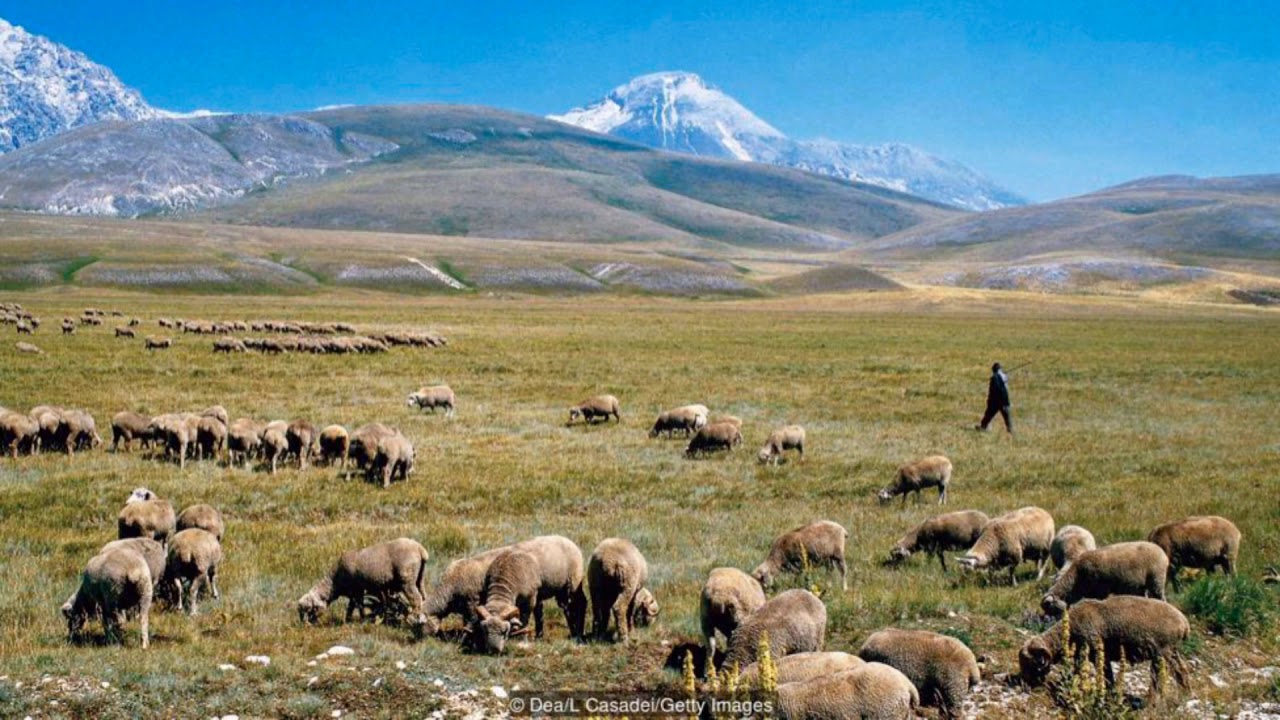
According to legend, the dish first appeared centuries ago among shepherds spending the spring and summer months in the grazing meadows of the Apennine Mountains, which traverse the Italian peninsula. While keeping watch over their flocks, shepherds would tap into personal stores of dried pasta and pepper; cheap, easy to transport and resistant to spoilage, these two ingredients were combined with the cheese (made from milk of the herders’ flocks) to make a delicious, simple dish that kept them warm on cold evenings.
Black pepper directly stimulates the heat receptors and helped the shepherds to protect themselves from the cold,” explained Alessandra Argiolas, marketing manager for Sardinian Pecorino producers Argiolas Formaggi. “And the pasta guaranteed a lot of energy.”
But according to Angelo Carotenuto, a native Roman and owner and manager of LivItaly Tours, cacio e pepe’s origin may be a bit less romantic. Carotenuto and local guide Dario Bartoli recently took to the internet with a LivTalk, “sort of like a TedTalk gone late-night show” as described by Carotenuto, to profile this and other local pasta dishes.
According to them, dishes like cacio e pepe, carbonara (a rich sauce made with a combination of beaten egg and dry-cured guanciale or pork cheek) and amatriciana (made with guanciale, tomato and Pecorino cheese) likely got their start, not in the mountains, but in the mines and factories that once surrounded the Lazio region encompassing Rome, near where low-income families once lived.
Dried cheese, dried guanciale and dried pasta were filling, cheap and didn’t spoil easily: perfect for a simple, inexpensive meal. And while the first two ingredients would likely have been used locally for “literally centuries,” according to Carotenuto, the invention of these dishes, now perceived as Roman classics, probably dates to the 1800s, when pasta became popular in the Italian capital.
You’re looking at the unification of Italy, so the ability to transfer flavours and recipes easily,” he explained, noting that before unification, the poor would have been getting their carbohydrates from bread and polenta, rather than from pasta, which, Carotenuto explains, is said to have arrived in Italy through the Venetian ports.
However cacio e pepe was invented, one thing is for sure: it has captured many hearts around the world, including that of the late, great Anthony Bourdain. In one episode of No Reservations, Bourdain went so far as to say the dish “could be the greatest thing in the history of the world” – and refused to disclose his favourite cacio e pepe restaurant in Rome.
Cacio e pepe has journeyed far from its humble roots. It has been topped with shaved truffle at London’s Fucina; it has been an off-menu “secret” offering for VIPs at Washington DC’s Rose’s Luxury; and it has been prepared in a wheel of Pecorino and served in a tableside spectacle at New York City’s aptly named Cacio e Peperestaurant. Closer to home in Rome, the dish has gone upscale, appearing on the three-Michelin-starred menu at La Pergola.
But despite its international acclaim and elevated status, at its core, cacio e pepe remains a stalwartly simple dish.
Like many Italian classics, the secret to its success is the purity of its ingredients. To deviate from its three-part formula is to risk angering a local.
“We’re pretty strict about how these things should taste,” said Carotenuto.
For starters, the pasta. Most make cacio e pepe with spaghetti, though the true traditional recipe calls for tonnarelli, a similar local noodle with a bit more chew thanks to the addition of egg.
“That’s what I would order if I was in a restaurant,” explained Elizabeth Minchilli, culinary tour guide and author of Eating Rome: Living the Good Life in the Eternal City. “If I was at home and couldn’t get that, I would probably go with spaghetti.”
Either way, a long noodle is crucial to achieving the perfect texture.
“You really want to coat every strand with the cheese, and the fat from the cheese, and the starch from the water,” said Minchilli. “It just makes stirring really fast easier.”
The next ingredient, pepe or black peppercorn, should be freshly crushed to release all of its aromas. Many chefs, including Filippo and Giovanni Rinaldi of London’s Mammafarina pasta pop-ups, “bloom” the pepper in the pan by toasting it slightly, making it even more flavourful.
And then, of course, there’s cacio, or as the Renaldis call it, “her majesty, Pecorino!”.